Saturday, August 30, 2025

Teenage Rhinoplasty in Seattle

Teenage Rhinoplasty in Seattle | Facial Cosmetic Surgery

Teenage rhinoplasty is a specialized procedure designed to address cosmetic and functional concerns in adolescents while considering facial growth and development.

What is Teenage Rhinoplasty?

Rhinoplasty, commonly known as a nose job, reshapes and refines the nasal structure for improved aesthetics or breathing. In teenagers, the procedure is carefully timed to ensure that the nose has reached sufficient maturity for safe and predictable results. Teenage rhinoplasty can address nasal bumps, tip irregularities, asymmetry, or breathing difficulties caused by structural issues such as a deviated septum.

Because the adolescent face is still developing, surgeons prioritize techniques that preserve natural growth and avoid interfering with long-term facial development.

Ideal Candidates

Teenage rhinoplasty is suitable for adolescents who meet certain criteria, including:

  • Completion of major facial growth (typically age 15-17 for girls, 16-18 for boys)
  • Strong motivation and realistic expectations about the procedure
  • Good overall health with no medical conditions that could complicate surgery
  • Desire to correct cosmetic concerns or improve nasal function

A consultation with an experienced facial plastic surgeon is essential to determine if the teenager is ready for rhinoplasty and to discuss individualized treatment options.

Benefits of Teenage Rhinoplasty

Teenage rhinoplasty provides both functional and aesthetic benefits, including:

  • Improved nasal symmetry and proportion: Enhances facial harmony and balance.
  • Enhanced breathing: Corrects structural issues such as deviated septum or nasal obstruction.
  • Boosted self-confidence: Helps teenagers feel more comfortable and confident with their appearance.
  • Long-lasting results: Surgical corrections are durable and can continue to look natural as the teen matures.

The Procedure

Teenage rhinoplasty is performed under general anesthesia. Surgeons choose between closed and open techniques depending on the complexity of the corrections. Closed rhinoplasty involves internal incisions inside the nostrils with no visible scars, while open rhinoplasty includes a small incision on the columella for greater visibility and precision.

The surgeon reshapes nasal cartilage and bone to achieve the desired appearance while maintaining or improving nasal function. Care is taken to preserve natural growth and prevent interference with ongoing facial development.

Recovery and Aftercare

Recovery from teenage rhinoplasty is similar to adult rhinoplasty but requires special consideration for younger patients. Key aspects include:

  • Swelling and bruising around the nose and eyes for 1-2 weeks
  • Wearing a nasal splint for support during the initial healing phase
  • Avoiding strenuous activity, sports, or contact for several weeks
  • Following prescribed medication schedules for pain and inflammation
  • Attending follow-up appointments to monitor healing and adjust care as needed

Most teenagers can return to school and light daily activities within 1-2 weeks, while full results become visible over several months as swelling subsides.

Risks and Considerations

Teenage rhinoplasty carries similar risks as adult rhinoplasty, including:

  • Swelling, bruising, or temporary discomfort
  • Minor asymmetry or contour irregularities
  • Changes in nasal sensation or temporary numbness
  • Infection or bleeding (rare)
  • Need for revision surgery in complex or growth-related cases

Selecting an experienced facial plastic surgeon who specializes in adolescent patients helps reduce risks and ensures natural, harmonious results.

Psychological and Emotional Considerations

Teenage rhinoplasty requires careful discussion of expectations, motivations, and emotional readiness. Surgeons often involve parents or guardians in the consultation process to ensure the patient has realistic goals. A supportive environment and clear understanding of the procedure, recovery, and limitations help teenagers make informed decisions and maintain healthy self-esteem.

Choosing a Surgeon in Seattle

When considering teenage rhinoplasty, selecting a surgeon with expertise in adolescent facial development is crucial. Look for a surgeon who:

  • Is board-certified in facial plastic surgery or cosmetic surgery
  • Has extensive experience with teenage rhinoplasty
  • Provides a personalized consultation and detailed surgical plan
  • Offers comprehensive pre- and post-operative care
  • Has a portfolio of successful patient outcomes and before-and-after photos

An experienced surgeon ensures a safe procedure, natural-looking results, and proper guidance through the recovery process.

Conclusion

Teenage rhinoplasty is a safe and effective way to address cosmetic and functional concerns while respecting ongoing facial growth. With proper timing, skilled surgical technique, and thorough consultation, teenagers can achieve natural, lasting results that enhance facial harmony and self-confidence.

The Seattle Cosmetic Surgery Center, led by Dr. William Portuese, specializes in facial aesthetic procedures, including rhinoplasty, eyelid surgery, and facelifts. With over 20 years of experience, Dr. Portuese is known for delivering natural-looking results tailored to each patient's unique facial features. The center emphasizes personalized care and advanced surgical techniques to enhance facial harmony and function. Located at 1101 Madison St, Suite 1280, Seattle, WA 98104, the clinic serves patients from Seattle and surrounding areas. To schedule a consultation, call (206) 624-6200.

Closed vs. Open Rhinoplasty in Seattle

Closed vs. Open Rhinoplasty in Seattle | Facial Cosmetic Surgery

Rhinoplasty, or a “nose job,” can be performed using either a closed or open surgical approach. Understanding the differences helps patients make informed decisions about their procedure.

Understanding Closed Rhinoplasty

Closed rhinoplasty, also known as endonasal rhinoplasty, involves incisions made inside the nostrils. This technique avoids external scars and typically results in shorter recovery times. Surgeons use specialized instruments to access and reshape the nasal cartilage and bone from within the nostrils.

Advantages of closed rhinoplasty include:

  • No visible scars on the nose
  • Reduced swelling compared to open rhinoplasty
  • Shorter operative time in many cases
  • Effective for minor to moderate nasal adjustments

However, closed rhinoplasty may be more challenging for complex cases or major structural corrections, as the surgeon’s visibility is limited.

Understanding Open Rhinoplasty

Open rhinoplasty involves a small incision on the columella, the tissue between the nostrils, in addition to internal incisions. This allows the surgeon to lift the nasal skin and have direct visualization of the nasal framework. Open rhinoplasty is often preferred for more complex cases, revisions, or significant reshaping of the nose.

Benefits of open rhinoplasty include:

  • Enhanced visibility of nasal structures
  • Greater precision for complex nasal corrections
  • Improved symmetry for significant tip refinement or septal adjustments
  • Ability to combine with grafts for structural support

The trade-off is a slightly longer recovery period and a small incision on the columella, which usually heals very well and becomes barely noticeable over time.

Which Technique is Right for You?

The choice between closed and open rhinoplasty depends on several factors, including the patient’s goals, nasal anatomy, and the extent of correction needed. Considerations include:

  • Minor cosmetic changes: Closed rhinoplasty is often sufficient.
  • Significant nasal reshaping or tip refinement: Open rhinoplasty may be preferred.
  • Revision surgery: Open rhinoplasty provides better access to previously operated structures.
  • Functional improvements: Both approaches can address breathing issues, but the surgeon may choose the method that allows precise correction of structural problems.

During consultation, a facial plastic surgeon evaluates nasal anatomy, discusses goals, and recommends the approach that will provide the best balance of results, safety, and recovery.

Recovery and Aftercare

Recovery varies depending on the surgical approach and individual factors. General guidelines include:

  • Initial swelling and bruising around the eyes and nose for 1-2 weeks
  • Wearing a nasal splint or packing to support the nose during early healing
  • Avoiding strenuous activity, contact sports, or heavy lifting for several weeks
  • Following surgeon instructions for pain management, wound care, and follow-up visits

Closed rhinoplasty may allow for slightly quicker recovery and less swelling, while open rhinoplasty provides optimal results for complex cases. In both approaches, final results typically become visible over several months as swelling resolves.

Risks and Considerations

Rhinoplasty, whether closed or open, carries potential risks:

  • Swelling, bruising, or temporary discomfort
  • Minor asymmetry or contour irregularities
  • Numbness or altered sensation around the nose
  • Infection or bleeding (rare)
  • Need for revision surgery in complex cases

Choosing a skilled facial plastic surgeon reduces the risk of complications and ensures results that are both natural-looking and functional.

Benefits of Choosing a Specialist

Rhinoplasty requires careful planning and precise execution. Benefits of selecting an experienced surgeon include:

  • Customized surgical plan based on anatomy and goals
  • Expertise in both open and closed techniques
  • Ability to combine cosmetic and functional improvements
  • Comprehensive pre- and post-operative care for optimal recovery

Working with a board-certified facial plastic surgeon ensures your results are aesthetically balanced and long-lasting.

Conclusion

Choosing between closed and open rhinoplasty depends on the complexity of your nasal concerns, desired results, and functional needs. Both approaches can provide natural-looking, lasting improvements when performed by a skilled facial plastic surgeon. Consultation with an experienced professional ensures the best approach is chosen for each patient’s unique facial structure and goals.

The Seattle Cosmetic Surgery Center, led by Dr. William Portuese, specializes in facial aesthetic procedures, including rhinoplasty, eyelid surgery, and facelifts. With over 20 years of experience, Dr. Portuese is known for delivering natural-looking results tailored to each patient's unique facial features. The center emphasizes personalized care and advanced surgical techniques to enhance facial harmony and function. Located at 1101 Madison St, Suite 1280, Seattle, WA 98104, the clinic serves patients from Seattle and surrounding areas. To schedule a consultation, call (206) 624-6200.

Sports-Related Injury Rhinoplasty in Seattle

Sports-Related Injury Rhinoplasty in Seattle | Facial Cosmetic Surgery

Sports-related injuries can cause significant damage to the nose, affecting both appearance and function. Rhinoplasty after a sports injury restores structure, breathing, and aesthetic balance.

Understanding Sports-Related Nasal Injuries

The nose is particularly vulnerable during sports due to its prominent position on the face. Common injuries include fractures, cartilage damage, deviated septum, and nasal tip displacement. Beyond aesthetic concerns, these injuries can lead to chronic breathing difficulties, nasal obstruction, or sinus problems.

Sports-related injury rhinoplasty addresses both the functional and cosmetic issues resulting from trauma, aiming to restore the nose to its pre-injury form or improve upon it when necessary.

Who is a Candidate?

Ideal candidates for sports-related injury rhinoplasty include individuals who have experienced nasal trauma and exhibit:

  • Visible deformity of the nose due to fracture or displacement
  • Difficulty breathing through the nose due to septal deviation or structural damage
  • Persistent pain or chronic nasal congestion
  • A desire to restore or improve nasal aesthetics

A comprehensive evaluation by a facial plastic surgeon is essential to determine the extent of injury and create a customized treatment plan.

Benefits of Sports-Related Injury Rhinoplasty

This specialized procedure offers several benefits for patients recovering from nasal trauma:

  • Restored nasal structure: Realignment of cartilage and bone restores proper shape and support.
  • Improved breathing: Correction of septal deviations and airway obstruction improves airflow.
  • Enhanced appearance: The nose is reshaped to restore symmetry and facial balance.
  • Long-term stability: Surgical correction prevents future complications or worsening deformities.

The Procedure

Sports-related injury rhinoplasty is performed under general or local anesthesia. Depending on the complexity, surgeons may use an open or closed approach. Open rhinoplasty involves a small incision across the columella, providing direct access to the nasal structure, while closed rhinoplasty uses internal incisions with no visible scarring.

The surgeon carefully realigns broken cartilage or bone, corrects septal deviations, and reshapes the nasal tip or bridge as needed. In some cases, grafts from the septum, ear, or rib may be used to provide additional support and ensure long-lasting results.

Recovery and Aftercare

Recovery from sports-related injury rhinoplasty typically involves:

  • Initial swelling and bruising around the nose and eyes, which usually resolves within one to two weeks
  • Wearing a nasal splint or internal packing for support during the early healing phase
  • Avoiding strenuous activity, contact sports, or impact to the nose for several weeks
  • Using prescribed medications to manage pain, inflammation, or infection
  • Following scheduled follow-up appointments to monitor healing and remove splints or sutures as needed

Following your surgeon’s instructions carefully ensures a smooth recovery and optimal long-term results.

Risks and Considerations

As with any surgical procedure, sports-related injury rhinoplasty carries potential risks. These include:

  • Swelling, bruising, or temporary discomfort
  • Minor asymmetry or contour irregularities
  • Infection or bleeding (rare)
  • Persistent nasal obstruction if healing is incomplete
  • Need for revision surgery in complex cases

Choosing an experienced facial plastic surgeon significantly reduces the risk of complications and improves the likelihood of achieving natural, functional results.

Why Choose a Specialist in Seattle

Successful restoration after a sports-related nasal injury requires a surgeon skilled in both functional and aesthetic rhinoplasty. Look for a surgeon who:

  • Specializes in facial plastic surgery with experience in trauma reconstruction
  • Offers individualized treatment plans based on the patient’s specific injury and goals
  • Has a proven record of natural-looking, functional outcomes
  • Provides thorough pre- and post-operative care for safety and optimal results

Conclusion

Sports-related injury rhinoplasty is a highly effective solution for patients recovering from nasal trauma. It restores nasal structure, improves breathing, and enhances facial aesthetics, allowing patients to regain confidence and nasal function.

The Seattle Cosmetic Surgery Center, led by Dr. William Portuese, specializes in facial aesthetic procedures, including rhinoplasty, eyelid surgery, and facelifts. With over 20 years of experience, Dr. Portuese is known for delivering natural-looking results tailored to each patient's unique facial features. The center emphasizes personalized care and advanced surgical techniques to enhance facial harmony and function. Located at 1101 Madison St, Suite 1280, Seattle, WA 98104, the clinic serves patients from Seattle and surrounding areas. To schedule a consultation, call (206) 624-6200.

Reduction of Hanging Columella in Seattle

Reduction of Hanging Columella in Seattle | Facial Cosmetic Surgery

The columella is the tissue that separates the nostrils, and a hanging columella can impact the appearance of the nose. Reduction of a hanging columella is a precise procedure designed to improve nasal aesthetics and facial harmony.

Understanding a Hanging Columella

A hanging columella occurs when the tissue between the nostrils protrudes more than desired, often creating a drooping appearance at the tip of the nose. This can result from genetics, previous nasal surgery, or trauma. While generally not harmful, a hanging columella can affect facial balance and may be a cosmetic concern for many individuals.

Who is a Good Candidate?

Patients seeking correction of a hanging columella typically include those who:

  • Are bothered by the appearance of a drooping or elongated columella
  • Have a tip of the nose that appears disproportionate
  • Are in good overall health and have realistic expectations
  • May have undergone previous nasal surgery and desire refinement

A thorough consultation with a facial plastic surgeon helps determine candidacy and the best surgical approach to achieve natural, balanced results.

Benefits of Reducing a Hanging Columella

Reducing a hanging columella offers several aesthetic and functional advantages:

  • Improved nasal proportion: The nose appears more balanced relative to the rest of the face.
  • Enhanced tip definition: Refinement of the columella improves the appearance of the nasal tip.
  • Increased facial harmony: Subtle adjustments create a more aesthetically pleasing profile.
  • Boosted confidence: Many patients feel more satisfied with their overall facial appearance.

The Procedure

Reduction of a hanging columella is typically performed under local or general anesthesia. The surgeon makes precise incisions at the base of the columella to remove excess tissue and reshape the area. Sutures are used to secure the new position, enhancing the natural contour of the nose. In some cases, this procedure may be combined with tip refinement or full rhinoplasty to achieve optimal balance.

The procedure is highly precise, as small adjustments can dramatically improve nasal aesthetics without altering overall nasal function. Surgery usually takes one to two hours, depending on complexity.

Recovery and Aftercare

Recovery from columella reduction is generally straightforward. Patients may experience mild swelling, bruising, or temporary discomfort around the nasal tip. Key post-operative care includes:

  • Keeping the head elevated to reduce swelling
  • Avoiding strenuous activity and contact sports for several weeks
  • Using prescribed medications or cold compresses to manage discomfort and inflammation
  • Following up with the surgeon to monitor healing and remove sutures if needed

Most patients can resume normal activities within a week, with final results becoming apparent over several months as swelling fully subsides.

Risks and Considerations

Although reduction of a hanging columella is generally safe, as with any surgical procedure, there are potential risks, including:

  • Mild swelling or bruising
  • Temporary numbness in the nasal area
  • Minor asymmetry requiring revision
  • Infection or bleeding (rare)

Choosing an experienced facial plastic surgeon minimizes these risks and ensures that the results are both aesthetically pleasing and functionally sound.

Why Choose a Specialist in Seattle

Selecting a qualified facial cosmetic surgeon is essential for achieving natural and balanced results. Look for a surgeon who:

  • Specializes in rhinoplasty and nasal tip refinement
  • Has extensive experience performing columella adjustments
  • Provides personalized consultation to understand patient goals
  • Offers a portfolio of successful patient outcomes and before-and-after images

Working with a skilled surgeon ensures precision, safety, and a final result that complements the patient’s facial features.

Conclusion

Reduction of a hanging columella is a specialized procedure designed to enhance nasal aesthetics and improve facial harmony. With a skilled facial plastic surgeon, patients can achieve subtle yet impactful improvements that boost confidence and balance the overall facial profile.

The Seattle Cosmetic Surgery Center, led by Dr. William Portuese, specializes in facial aesthetic procedures, including rhinoplasty, eyelid surgery, and facelifts. With over 20 years of experience, Dr. Portuese is known for delivering natural-looking results tailored to each patient's unique facial features. The center emphasizes personalized care and advanced surgical techniques to enhance facial harmony and function. Located at 1101 Madison St, Suite 1280, Seattle, WA 98104, the clinic serves patients from Seattle and surrounding areas. To schedule a consultation, call (206) 624-6200.

Rhinoplasty with a Chin Implant in Seattle WA

Rhinoplasty with Chin Implant in Seattle | Facial Cosmetic Surgery

Rhinoplasty with Chin Implant in Seattle

Combining rhinoplasty with a chin implant is a powerful approach to achieve facial balance and harmony. This dual procedure addresses both the nose and chin for a more proportionate profile.

Understanding Rhinoplasty with Chin Implant

Rhinoplasty, commonly referred to as a “nose job,” reshapes the nose for aesthetic or functional improvement. When paired with a chin implant, the procedure enhances overall facial proportions. This combination can dramatically improve facial harmony, particularly in patients whose chin is recessed or underdeveloped relative to their nose.

By addressing both the nasal structure and chin position simultaneously, surgeons can create a balanced and natural-looking profile that complements the patient’s overall facial features.

Who is a Good Candidate?

Ideal candidates for this combined procedure include individuals who:

  • Have concerns about nasal shape, size, or symmetry
  • Feel their chin is recessed, weak, or disproportionate
  • Seek a more balanced facial profile
  • Are in good overall health and have realistic expectations

A personalized consultation with a facial cosmetic surgeon helps determine if combining rhinoplasty and a chin implant is the best approach for achieving the desired results.

Benefits of Combining Rhinoplasty and Chin Implant

Performing rhinoplasty and chin augmentation together offers several advantages:

  • Enhanced facial harmony: Both features are adjusted simultaneously for balanced proportions.
  • Reduced overall recovery: Combining procedures means one surgery and one recovery period instead of separate operations.
  • Natural-looking results: Adjustments to the nose and chin are made in proportion to each other and the overall face.
  • Improved confidence: Patients often report higher satisfaction when both features are corrected together.

The Procedure

The surgery is performed under general anesthesia. For rhinoplasty, the surgeon may use either an open or closed technique depending on the complexity of the nasal corrections. Incisions are made either inside the nostrils or across the columella, allowing access to reshape the cartilage and bone.

The chin implant is typically placed through a small incision under the chin or inside the mouth. The implant is positioned to achieve the desired projection and contour. Combining both procedures in a single session allows the surgeon to assess the balance between the nose and chin and make adjustments for optimal harmony.

Recovery and Aftercare

Recovery from a combined rhinoplasty and chin implant procedure typically takes one to two weeks for most daily activities, with full results appearing over several months. Key aspects of recovery include:

  • Swelling and bruising: Some swelling around the nose, chin, and cheeks is normal during the first week.
  • Pain management: Over-the-counter or prescribed medications help manage discomfort.
  • Activity restrictions: Avoid strenuous exercise, heavy lifting, or impact activities for several weeks.
  • Follow-up visits: Regular appointments ensure proper healing and alignment of both the nose and chin.

Following the surgeon’s instructions carefully ensures a smooth recovery and optimal final results.

Risks and Considerations

While generally safe, combining rhinoplasty and chin implants carries risks typical of surgical procedures, including:

  • Swelling and bruising
  • Temporary numbness or tingling around the chin or nose
  • Infection (rare)
  • Minor asymmetry requiring adjustment
  • Implant displacement or irregularities (rare)

Choosing a highly experienced facial cosmetic surgeon minimizes risks and ensures a natural, balanced outcome.

Why Combine Procedures?

Many patients choose a combined approach for efficiency and better proportional results. Addressing both the nose and chin in a single surgery allows the surgeon to evaluate facial balance in real time and make precise adjustments. This approach often results in higher patient satisfaction and a more harmonious overall appearance.

Choosing a Surgeon in Seattle

For best results, select a surgeon who specializes in facial cosmetic procedures and has extensive experience with both rhinoplasty and chin implants. Key considerations include:

  • Board-certified facial plastic surgeon or cosmetic surgeon
  • Proven experience with combined procedures
  • Ability to tailor treatment to the patient’s unique facial features
  • Positive patient reviews and a portfolio of successful outcomes

Conclusion

Rhinoplasty with a chin implant is an excellent option for patients seeking a balanced and harmonious facial profile. By addressing both features in a single procedure, patients can achieve natural-looking results with a single recovery period and enhanced overall facial aesthetics.

The Seattle Cosmetic Surgery Center, led by Dr. William Portuese, specializes in facial aesthetic procedures, including rhinoplasty, eyelid surgery, and facelifts. With over 20 years of experience, Dr. Portuese is known for delivering natural-looking results tailored to each patient's unique facial features. The center emphasizes personalized care and advanced surgical techniques to enhance facial harmony and function. Located at 1101 Madison St, Suite 1280, Seattle, WA 98104, the clinic serves patients from Seattle and surrounding areas. To schedule a consultation, call (206) 624-6200.

Deviated Septum in Seattle

Deviated Septum in Seattle | Facial Plastic Surgery

Deviated Septum in Seattle

A deviated septum occurs when the cartilage and bone dividing the nasal passages are off-center, which can lead to breathing difficulties and other nasal issues.

What is a Deviated Septum?

The nasal septum is the thin wall of cartilage and bone that separates the two nostrils. When this septum is displaced to one side, it is referred to as a deviated septum. This condition can obstruct airflow, cause chronic nasal congestion, and contribute to sinus infections. While many people have minor deviations that do not cause symptoms, significant deviations may require medical intervention.

Causes of a Deviated Septum

A deviated septum can develop for several reasons:

  • Congenital: Some people are born with a septum that is naturally off-center.
  • Trauma: Injury to the nose from sports, accidents, or falls can displace the septum.
  • Aging: Natural growth and changes in nasal cartilage over time can sometimes exacerbate a deviation.

Symptoms of a Deviated Septum

Many people with a deviated septum may not notice any symptoms. However, when the deviation is significant, it can cause:

  • Difficulty breathing through one or both nostrils
  • Chronic nasal congestion
  • Frequent sinus infections
  • Snoring or sleep disturbances
  • Nosebleeds due to dry nasal passages
  • Facial pain or headaches

Persistent symptoms may interfere with daily activities and sleep, highlighting the need for proper evaluation and treatment.

Diagnosis

A deviated septum can be diagnosed during a physical examination by a qualified ENT specialist or facial plastic surgeon. Using a nasal speculum or endoscope, the doctor can assess the degree of deviation and determine whether it is affecting airflow or contributing to other nasal issues. Imaging studies may sometimes be used to examine the nasal structure in more detail.

Treatment Options

Treatment for a deviated septum depends on the severity of the condition and the symptoms experienced. Options include:

  • Non-surgical treatments: Medications such as decongestants, antihistamines, or nasal steroid sprays can temporarily relieve symptoms like congestion.
  • Surgical treatment: Septoplasty is the primary surgical solution for a deviated septum. This procedure straightens and repositions the septum to improve airflow and alleviate symptoms.

Septoplasty Procedure

Septoplasty is performed under local or general anesthesia. The surgeon makes incisions inside the nostrils, avoiding visible external scars. The deviated cartilage and bone are repositioned or removed, and internal sutures are placed to stabilize the septum. In some cases, septoplasty is combined with rhinoplasty to improve both nasal function and appearance.

The procedure usually takes one to two hours, and nasal splints may be placed to support healing during the initial recovery period.

Recovery and Aftercare

Recovery from septoplasty generally involves mild discomfort, swelling, and congestion during the first week. Key points for recovery include:

  • Keep the head elevated to reduce swelling.
  • Avoid strenuous activity, heavy lifting, and contact sports for several weeks.
  • Use saline sprays or prescribed medications to maintain nasal moisture and prevent crusting.
  • Attend follow-up visits to monitor healing and remove splints if necessary.

Most patients return to normal daily activities within one to two weeks, with full healing occurring over a few months.

Risks and Considerations

Septoplasty is generally safe, but potential risks include:

  • Minor bleeding or infection
  • Persistent nasal obstruction if healing is incomplete
  • Changes in nasal shape (rare)
  • Temporary numbness or altered sensation in the nasal area

Choosing an experienced facial plastic surgeon or ENT specialist minimizes these risks and improves the likelihood of a successful outcome.

Benefits of Correcting a Deviated Septum

Correcting a deviated septum can significantly improve quality of life by:

  • Enhancing breathing and nasal airflow
  • Reducing chronic congestion and sinus infections
  • Improving sleep quality and reducing snoring
  • Alleviating facial pain or discomfort associated with nasal obstruction

Choosing a Surgeon in Seattle

For optimal results, it is essential to choose a surgeon experienced in septoplasty and nasal procedures. Look for a specialist who:

  • Has extensive experience in nasal surgery
  • Provides personalized evaluations to understand your symptoms and goals
  • Maintains a portfolio of successful patient outcomes
  • Offers comprehensive follow-up care for safe recovery

Conclusion

A deviated septum can lead to significant nasal obstruction and discomfort, but treatment with septoplasty or other interventions can restore proper airflow, improve breathing, and enhance overall quality of life. Early evaluation and intervention ensure the best outcomes for long-term nasal health.

The Seattle Facial Plastic Surgery Center, led by Dr. William Portuese, specializes in facial aesthetic procedures such as rhinoplasty, eyelid surgery, and facelifts. With over 20 years of experience, Dr. Portuese is known for delivering natural-looking results tailored to each patient's unique facial features. The center emphasizes personalized care and advanced surgical techniques to enhance facial harmony and function. Located at 1101 Madison St, Suite 1280, Seattle, WA 98104, the clinic serves patients from Seattle and surrounding areas. To schedule a consultation, call (206) 624-6200.

Septoplasty in Seattle Washington

Septoplasty in Seattle | Facial Plastic Surgery

Septoplasty in Seattle

Septoplasty is a surgical procedure that corrects a deviated septum, improving nasal airflow, breathing, and overall nasal function.

What is Septoplasty?

Septoplasty is a corrective surgery designed to straighten a deviated septum, the cartilage and bone dividing the nasal cavity. A deviated septum can cause breathing difficulties, chronic congestion, snoring, sinus infections, and discomfort during physical activity. Septoplasty addresses these functional issues while maintaining or improving the natural shape of the nose.

Who Needs Septoplasty?

Septoplasty is recommended for individuals experiencing nasal obstruction or difficulty breathing due to a deviated septum. Common symptoms that may indicate the need for surgery include:

  • Chronic nasal congestion
  • Frequent sinus infections
  • Difficulty breathing through one or both nostrils
  • Snoring or sleep apnea
  • Nasal bleeding or discomfort

Patients with trauma to the nose or congenital septal deviations may also benefit from septoplasty to restore proper nasal function.

Benefits of Septoplasty

Septoplasty offers multiple benefits that significantly improve quality of life, including:

  • Enhanced breathing: Straightening the septum allows for better airflow through the nasal passages.
  • Reduced congestion: Correcting the obstruction alleviates chronic stuffiness.
  • Improved sleep: Proper airflow can decrease snoring and improve sleep quality.
  • Decreased sinus infections: Better nasal drainage reduces the risk of recurring sinus problems.
  • Long-term results: Septoplasty provides a permanent correction for structural nasal issues.

The Septoplasty Procedure

Septoplasty is typically performed under local or general anesthesia. The surgeon makes incisions inside the nostrils to access the septum, avoiding visible external scars. The deviated portions of cartilage and bone are repositioned, trimmed, or removed to create a straight and functional septum. In some cases, septoplasty is combined with other procedures, such as turbinate reduction or rhinoplasty, to enhance both function and aesthetic appearance.

Once the septum is corrected, the incisions are closed with dissolvable sutures, and nasal splints or packing may be placed to support the septum and minimize bleeding during the initial healing phase.

Recovery and Aftercare

Recovery from septoplasty generally takes one to two weeks for most patients, with full healing occurring over several months. Key aspects of recovery include:

  • Swelling and congestion: Mild swelling and temporary nasal congestion are common during the first week.
  • Pain management: Over-the-counter or prescribed pain medications help manage discomfort.
  • Activity restrictions: Avoid strenuous activity, heavy lifting, and contact sports for several weeks to allow proper healing.
  • Follow-up care: Regular post-operative visits ensure the septum is healing correctly and monitor for complications.

Following your surgeon’s instructions carefully is essential to achieve optimal results and prevent post-operative complications.

Risks and Considerations

While septoplasty is generally safe, all surgical procedures carry some risks. Potential complications include:

  • Temporary swelling or bruising
  • Minor bleeding
  • Infection (rare)
  • Persistent nasal obstruction if healing is incomplete
  • Changes in nasal shape (rare, usually when combined with cosmetic procedures)

Choosing an experienced facial plastic surgeon minimizes these risks and ensures a safe, effective outcome.

Septoplasty vs. Rhinoplasty

Septoplasty is primarily a functional procedure aimed at improving breathing, whereas rhinoplasty focuses on aesthetic enhancement. Many patients opt for a combined approach, sometimes called septorhinoplasty, to correct a deviated septum while refining the nose’s appearance. A skilled surgeon can tailor the procedure to meet both functional and cosmetic goals, delivering results that are natural and harmonious with the patient’s facial features.

Choosing a Surgeon in Seattle

Selecting a qualified and experienced surgeon is critical for a successful septoplasty outcome. Look for a surgeon who:

  • Specializes in facial plastic and nasal surgery
  • Has extensive experience performing septoplasty and septorhinoplasty
  • Provides personalized consultations to understand your breathing concerns and goals
  • Offers before-and-after images and patient testimonials to demonstrate expertise

Working with a skilled surgeon ensures both functional improvement and a natural, aesthetically balanced appearance.

Conclusion

Septoplasty is a highly effective procedure for correcting a deviated septum and improving nasal function, breathing, and overall quality of life. With a skilled facial plastic surgeon, patients can achieve lasting results with minimal discomfort and enhanced nasal airflow.

The Seattle Facial Plastic Surgery Center, led by Dr. William Portuese, specializes in facial aesthetic procedures such as rhinoplasty, eyelid surgery, and facelifts. With over 20 years of experience, Dr. Portuese is known for delivering natural-looking results tailored to each patient's unique facial features. The center emphasizes personalized care and advanced surgical techniques to enhance facial harmony and function. Located at 1101 Madison St, Suite 1280, Seattle, WA 98104, the clinic serves patients from Seattle and surrounding areas. To schedule a consultation, call (206) 624-6200.

Ethnic Rhinoplasty in Seattle

Ethnic Rhinoplasty in Seattle | Facial Plastic Surgery

Ethnic rhinoplasty is a specialized procedure designed to enhance the appearance and function of the nose while preserving each patient's unique cultural and facial characteristics.

Understanding Ethnic Rhinoplasty

Ethnic rhinoplasty is a tailored approach to nasal surgery that considers a patient’s ethnic background, facial structure, and aesthetic goals. Unlike traditional rhinoplasty, which often follows a Westernized standard of beauty, ethnic rhinoplasty respects the natural characteristics of the nose, creating results that are harmonious with the patient’s overall facial features.

This procedure is ideal for patients seeking refinement rather than complete transformation, allowing for subtle improvements in shape, symmetry, and function without compromising cultural identity.

Who is a Candidate?

Ethnic rhinoplasty is suitable for individuals who want to enhance the appearance of their nose while maintaining their natural ethnic traits. Common reasons patients seek this procedure include:

  • Refining the nasal bridge or tip
  • Improving nasal symmetry
  • Correcting functional issues such as a deviated septum
  • Preserving the unique features of their ethnicity

Patients should have realistic expectations and a desire for subtle, natural-looking changes that complement their facial features.

Benefits of Ethnic Rhinoplasty

Ethnic rhinoplasty offers several advantages over standard rhinoplasty, including:

  • Customized results: The surgery is designed specifically to enhance the patient's individual features rather than impose a generic standard.
  • Preserved identity: The natural ethnic characteristics of the nose are maintained.
  • Improved facial harmony: Adjustments are made in proportion to the patient’s facial structure.
  • Enhanced nasal function: Functional issues such as breathing difficulties can be addressed alongside aesthetic improvements.

The Procedure

Ethnic rhinoplasty is performed under general anesthesia or intravenous sedation. The surgeon carefully evaluates the patient’s nasal anatomy and discusses aesthetic goals during the consultation. Incisions are typically made inside the nostrils, minimizing visible scarring while providing access to the underlying nasal structures.

The surgeon may reshape the nasal bridge, refine the tip, adjust the nostrils, or correct septal deviations. The emphasis is on subtle refinements that enhance overall facial harmony rather than dramatic alterations. Internal sutures are used to close the incisions, and an external splint may be applied to support the new nasal shape during the initial healing phase.

Recovery and Aftercare

Recovery from ethnic rhinoplasty is generally straightforward. Key aspects include:

  • Swelling and bruising: Mild swelling and bruising around the nose and eyes are common and typically subside within one to two weeks.
  • Splint care: Any external splints are usually removed after seven days.
  • Activity restrictions: Avoid strenuous activity, heavy lifting, or contact sports for several weeks.
  • Follow-up appointments: Regular check-ins with the surgeon help monitor healing and ensure optimal results.

Following post-operative instructions is essential for achieving the best aesthetic and functional outcomes.

Risks and Considerations

Like all surgical procedures, ethnic rhinoplasty carries potential risks, though serious complications are uncommon when performed by an experienced surgeon. Possible risks include:

  • Temporary swelling and bruising
  • Minor asymmetry that may require revision
  • Numbness or altered sensation in the nasal area
  • Infection or bleeding (rare)

Choosing a skilled facial plastic surgeon with experience in ethnic rhinoplasty significantly reduces the risk of complications and ensures results that are both natural and culturally sensitive.

Ethnic Rhinoplasty vs. Traditional Rhinoplasty

While traditional rhinoplasty often focuses on achieving a standardized aesthetic, ethnic rhinoplasty emphasizes preserving and enhancing each patient’s natural features. Key differences include:

  • Approach: The surgery is customized to align with the patient’s ethnic background.
  • Focus: Ethnic rhinoplasty prioritizes subtle refinements and overall facial harmony rather than dramatic changes.
  • Technique: Surgical adjustments may differ to accommodate unique nasal structures and skin thicknesses commonly associated with specific ethnic groups.

Choosing a Surgeon in Seattle

Selecting an experienced surgeon is critical for successful ethnic rhinoplasty. Look for a surgeon who:

  • Specializes in facial plastic surgery
  • Has extensive experience with ethnic rhinoplasty
  • Offers personalized consultations to understand your aesthetic goals
  • Maintains a portfolio of natural, culturally sensitive results

Patient reviews and before-and-after photos can help gauge a surgeon’s expertise and artistic approach.

Conclusion

Ethnic rhinoplasty is a highly personalized surgical approach that enhances the appearance and function of the nose while preserving a patient’s natural ethnic features. By working with a skilled facial plastic surgeon, patients can achieve subtle, harmonious changes that complement their overall facial structure.

The Seattle Facial Plastic Surgery Center, led by Dr. William Portuese, specializes in facial aesthetic procedures such as rhinoplasty, eyelid surgery, and facelifts. With over 20 years of experience, Dr. Portuese is known for delivering natural-looking results tailored to each patient's unique facial features. The center emphasizes personalized care and advanced surgical techniques to enhance facial harmony and function. Located at 1101 Madison St, Suite 1280, Seattle, WA 98104, the clinic serves patients from Seattle and surrounding areas. To schedule a consultation, call (206) 624-6200.
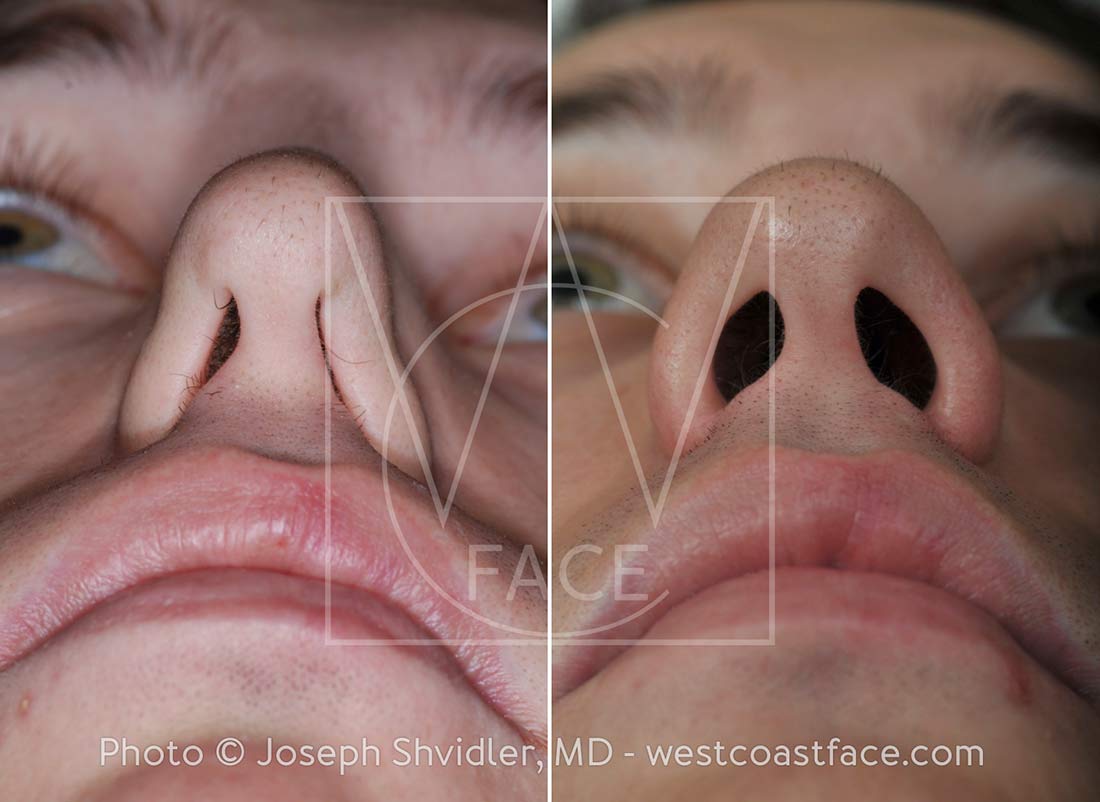
Closed Rhinoplasty

Closed Rhinoplasty in Seattle | Facial Plastic Surgery

Closed Rhinoplasty in Seattle

Discover the benefits of closed rhinoplasty, a minimally invasive surgical approach to refine your nose's appearance and function.

What is Closed Rhinoplasty?

Closed rhinoplasty is a surgical procedure designed to reshape the nose through incisions made entirely inside the nostrils. Unlike open rhinoplasty, this technique avoids external scars and typically offers a shorter recovery period. Surgeons use this approach to correct structural issues, enhance facial harmony, and improve breathing function.

Who is a Good Candidate?

Ideal candidates for closed rhinoplasty include individuals seeking minor to moderate adjustments to their nose, such as:

  • Smoothing a nasal hump
  • Refining the nasal tip
  • Correcting minor asymmetries
  • Improving breathing function due to septal deviations

Patients with more complex nasal deformities may still require an open approach, which allows for greater visibility and access to the nasal framework.

The Benefits of Closed Rhinoplasty

Closed rhinoplasty offers several advantages that make it an appealing option for many patients:

  • No visible scars: All incisions are hidden within the nostrils.
  • Reduced swelling: Swelling tends to be less compared to open rhinoplasty, allowing for a faster recovery.
  • Shorter surgery time: The procedure generally takes less time than an open approach.
  • Minimized trauma: With no external incisions, the nasal tissues experience less disruption.

These benefits contribute to a more comfortable recovery and a natural-looking outcome.

The Closed Rhinoplasty Procedure

The procedure begins with anesthesia, usually general anesthesia or intravenous sedation, to ensure patient comfort. The surgeon makes precise incisions inside the nostrils, then carefully adjusts the bone and cartilage to achieve the desired shape. Techniques may include removing a nasal hump, narrowing the nostrils, refining the tip, or correcting a deviated septum.

Once the adjustments are complete, internal sutures are used to close the incisions, and a splint may be applied externally to support the new nasal structure. The entire procedure typically lasts between one and three hours, depending on the complexity of the case.

Recovery and Aftercare

Recovery from closed rhinoplasty is generally smooth, with most patients returning to normal activities within one to two weeks. Key aspects of recovery include:

  • Swelling and bruising: Mild swelling around the nose and eyes is common, usually subsiding within 10–14 days.
  • Splint care: The external splint is typically removed after one week.
  • Activity restrictions: Avoid strenuous exercise and contact sports for several weeks.
  • Follow-up visits: Regular appointments with your surgeon ensure proper healing and optimal results.

Following post-operative instructions carefully is crucial for achieving the best aesthetic and functional outcome.

Risks and Considerations

As with any surgical procedure, closed rhinoplasty carries some risks. Potential complications may include:

  • Swelling and bruising
  • Temporary numbness around the nose
  • Minor asymmetries requiring revision surgery
  • Infection or bleeding (rare)

Choosing an experienced facial plastic surgeon significantly reduces the likelihood of complications and ensures a natural, balanced result.

Closed vs. Open Rhinoplasty

Closed rhinoplasty is best suited for patients needing subtle refinements, while open rhinoplasty is recommended for more complex cases. Key differences include:

  • Incision location: Closed rhinoplasty has internal incisions; open rhinoplasty involves an external incision across the columella.
  • Visibility: Open rhinoplasty allows the surgeon a direct view of the nasal structure, which is useful for major reshaping.
  • Recovery: Closed rhinoplasty typically offers quicker recovery and less post-operative swelling.

Your surgeon can determine which approach best aligns with your goals and nasal anatomy.

Choosing the Right Surgeon in Seattle

Selecting a skilled and experienced facial plastic surgeon is critical for successful rhinoplasty outcomes. Look for a surgeon who:

  • Has specialized training in facial plastic surgery
  • Possesses extensive experience performing closed rhinoplasty
  • Maintains a portfolio of natural-looking results
  • Offers personalized consultations to discuss your aesthetic goals

Patient testimonials and before-and-after galleries can also provide insight into the surgeon’s expertise.

Conclusion

Closed rhinoplasty is a refined, minimally invasive approach to enhancing the appearance and function of the nose. With hidden incisions, reduced swelling, and a faster recovery, it is an excellent option for patients seeking subtle changes. A consultation with a qualified facial plastic surgeon in Seattle can help determine if this procedure is right for you.

The Seattle Facial Plastic Surgery Center, led by Dr. William Portuese, specializes in facial aesthetic procedures such as rhinoplasty, eyelid surgery, and facelifts. With over 20 years of experience, Dr. Portuese is known for delivering natural-looking results tailored to each patient's unique facial features. The center emphasizes personalized care and advanced surgical techniques to enhance facial harmony and function. Located at 1101 Madison St, Suite 1280, Seattle, WA 98104, the clinic serves patients from Seattle and surrounding areas. To schedule a consultation, call (206) 624-6200.

Facelift

Facelift Surgery in Beverly Hills

Facelift Surgery in Beverly Hills

Rejuvenate your appearance with expert facelift procedures by Dr. Lloyd Krieger.

What Is a Facelift?

A facelift, or rhytidectomy, is a cosmetic surgery designed to address signs of aging on the face and neck. The procedure involves repositioning and tightening underlying muscles and tissues, removing excess skin, and smoothing out wrinkles and folds. This results in a more youthful and refreshed appearance.

Benefits of Facelift Surgery

  • Reduces Sagging: Tightens loose skin on the face and neck.
  • Improves Contours: Enhances the jawline and neckline.
  • Minimizes Wrinkles: Smooths deep lines and folds.
  • Boosts Confidence: Restores a youthful, vibrant look.

Facelift Techniques Offered

Dr. Krieger offers several facelift techniques tailored to individual needs:

Traditional Facelift:
Addresses comprehensive facial aging, providing long-lasting results.
Mini-Facelift:
Targets early signs of aging with shorter incisions and recovery time.
Endoscopic Facelift:
Utilizes minimal incisions and a camera for precise tissue lifting.

Who Is a Good Candidate?

Ideal candidates for facelift surgery are individuals who:

  • Are in good overall health.
  • Have realistic expectations about the procedure.
  • Experience sagging skin, deep wrinkles, or loss of facial volume.
  • Do not smoke or are willing to quit before surgery.

The Facelift Procedure

The facelift procedure typically involves the following steps:

  1. Anesthesia: General anesthesia or sedation is administered for comfort.
  2. Incision Placement: Incisions are made along natural lines to minimize visible scarring.
  3. Tissue Repositioning: Underlying muscles and tissues are lifted and tightened.
  4. Excess Skin Removal: Excess skin is trimmed, and remaining skin is re-draped smoothly.
  5. Closure: Incisions are closed with sutures, and dressings are applied.

Recovery and Aftercare

Recovery times vary depending on the extent of the surgery, but generally, patients can expect:

  • Initial Swelling and Bruising: Common in the first few days.
  • Return to Light Activities: Typically within 1-2 weeks.
  • Resumption of Normal Activities: Usually after 3-4 weeks.
  • Final Results: Become more apparent as swelling subsides over several months.

Dr. Krieger provides detailed aftercare instructions to ensure optimal healing and results.

Risks and Considerations

As with any surgical procedure, facelift surgery carries potential risks, including:

  • Infection or bleeding.
  • Scarring.
  • Asymmetry.
  • Skin necrosis.
  • Changes in skin sensation.

Choosing a skilled and experienced surgeon, like Dr. Krieger, minimizes these risks and enhances the likelihood of a successful outcome.

Why Choose Dr. Lloyd Krieger?

Dr. Lloyd Krieger is a highly experienced plastic surgeon based in Beverly Hills at 9301 Wilshire Blvd, Suite 410. With over 30 years in the field, he specializes in cosmetic procedures that focus on natural-looking results, minimal discomfort, and quick recovery. Dr. Krieger is dedicated to personalized patient care, ensuring each treatment meets individual goals. Call (310) 550-6300 for a consultation.

© 2025 Dr. Lloyd Krieger. All rights reserved.

Eyelid Surgery

Eyelid Surgery (Blepharoplasty) in Beverly Hills

Eyelid Surgery (Blepharoplasty) in Beverly Hills

Enhance your youthful appearance with expert eyelid surgery by Dr. Lloyd Krieger.

What Is Eyelid Surgery?

Eyelid surgery, or blepharoplasty, is a cosmetic procedure aimed at rejuvenating the eye area by removing excess skin, muscle, and fat from the upper and lower eyelids. This surgery addresses common concerns such as droopy eyelids, under-eye bags, and wrinkles, leading to a more youthful and refreshed appearance.

Benefits of Eyelid Surgery

  • Improved Vision: Removes excess skin that may obstruct peripheral vision.
  • Enhanced Appearance: Reduces puffiness and sagging, creating a more alert and youthful look.
  • Boosted Confidence: Addresses aesthetic concerns, leading to improved self-esteem.
  • Long-Lasting Results: Provides durable improvements with proper care.

Types of Eyelid Surgery

Dr. Krieger offers both upper and lower eyelid surgeries, tailored to individual needs:

Upper Eyelid Surgery:
Targets sagging or hooded upper eyelids by removing excess skin and fat, enhancing the upper eye contour.
Lower Eyelid Surgery:
Addresses under-eye bags and wrinkles by removing or repositioning fat and tightening the skin.

Who Is a Candidate?

Ideal candidates for eyelid surgery are individuals who:

  • Are in good overall health.
  • Have realistic expectations about the outcomes.
  • Experience sagging or puffiness around the eyes.
  • Do not have serious eye conditions.

The Procedure

Eyelid surgery is typically performed under local anesthesia with sedation or general anesthesia, depending on the extent of the procedure. The steps include:

  1. Incision Placement: Incisions are made along natural lines to minimize visible scarring.
  2. Excess Tissue Removal: Skin, muscle, and fat are carefully removed or repositioned.
  3. Repositioning: Remaining skin is tightened, and excess fat is redistributed as needed.
  4. Closure: Incisions are closed with fine sutures, and a protective dressing is applied.

Recovery and Aftercare

Post-operative care is crucial for optimal healing:

  • Apply cold compresses to reduce swelling.
  • Keep the head elevated to minimize swelling.
  • Follow prescribed medication instructions to manage discomfort.
  • Attend follow-up appointments to monitor healing progress.

Most patients return to normal activities within 7-10 days, with full recovery taking a few weeks.

Risks and Considerations

As with any surgical procedure, eyelid surgery carries potential risks, including:

  • Infection or bleeding.
  • Scarring.
  • Dry eyes or irritation.
  • Asymmetry.
  • Temporary blurred vision.

Choosing a skilled and experienced surgeon, like Dr. Krieger, minimizes these risks and ensures a safe procedure.

Why Choose Dr. Lloyd Krieger?

Dr. Lloyd Krieger is a highly experienced plastic surgeon based in Beverly Hills at 9301 Wilshire Blvd, Suite 410. With over 30 years in the field, he specializes in cosmetic procedures that focus on natural-looking results, minimal discomfort, and quick recovery. Dr. Krieger is dedicated to personalized patient care, ensuring each treatment meets individual goals.

For a consultation or more information, call (310) 550-6300 and take the first step toward enhancing your appearance.

© 2025 Dr. Lloyd Krieger. All rights reserved.

Liposuction

Liposuction Surgery in Beverly Hills

Liposuction Surgery in Beverly Hills

Many people struggle with stubborn areas of fat that simply do not respond to diet and exercise. Even with a healthy lifestyle, certain problem spots may remain, creating frustration and limiting body confidence. Liposuction is one of the most effective cosmetic procedures available to address these concerns. At his Beverly Hills practice, Dr. Lloyd Krieger provides advanced liposuction techniques designed to create smoother, slimmer contours and natural-looking results.

What Is Liposuction?

Liposuction is a surgical procedure that removes localized fat deposits from targeted areas of the body. Using a thin tube called a cannula, excess fat is suctioned out through small incisions. This technique allows for sculpting and contouring of the body, enhancing overall proportions. Liposuction is not intended for weight loss but rather for refining areas resistant to diet and exercise.

Common Treatment Areas

Liposuction can be performed on multiple parts of the body where fat tends to accumulate. Popular treatment areas include:

  • Abdomen and waist
  • Hips and flanks (“love handles”)
  • Thighs (inner and outer)
  • Arms
  • Back and bra line
  • Buttocks
  • Neck and under the chin

Benefits of Liposuction

Patients often choose liposuction for the following advantages:

  • Targeted Fat Reduction: Removes stubborn fat deposits resistant to diet and exercise.
  • Improved Contours: Creates a smoother and more sculpted body shape.
  • Permanent Results: Fat cells removed during liposuction do not return.
  • Boost in Confidence: Enhances appearance in clothing and swimwear.
  • Customizable Treatment: Can be combined with other procedures, such as a tummy tuck or body lift, for comprehensive results.

Who Is a Good Candidate?

The best candidates for liposuction are individuals who:

  • Have localized fat deposits that do not respond to lifestyle changes.
  • Are close to their ideal body weight.
  • Have good skin elasticity for smooth results.
  • Are in overall good health and non-smokers.
  • Have realistic expectations about the outcome of surgery.

The Liposuction Procedure

Liposuction is typically performed under general or local anesthesia, depending on the extent of treatment. The steps include:

  • Incisions: Small incisions are made in discreet locations near the treatment area.
  • Tumescent Fluid: A specialized solution is introduced to minimize bleeding and swelling while easing fat removal.
  • Fat Removal: A cannula is inserted through the incisions to break up and suction out fat deposits.
  • Sculpting: The surgeon carefully contours the area for a smooth, natural appearance.
  • Closure: Incisions are closed, and compression garments are applied to aid recovery.

Recovery and Aftercare

Recovery after liposuction varies depending on the extent of treatment and the individual’s healing response. Generally, patients can expect:

  • Swelling and bruising for the first few weeks.
  • Wearing compression garments to support healing and contouring.
  • Returning to light activities within a few days to a week.
  • Resuming exercise and more strenuous activities after 3–4 weeks.
  • Final results becoming more visible as swelling subsides over several months.

Risks and Considerations

As with any surgery, liposuction involves some risks, including infection, uneven contours, changes in skin sensation, and complications related to anesthesia. Choosing an experienced surgeon who uses advanced techniques significantly reduces these risks and enhances safety.

Why Choose Dr. Lloyd Krieger?

Dr. Lloyd Krieger is known for his extensive experience in cosmetic surgery and his ability to create natural-looking results. His meticulous surgical approach emphasizes minimal discomfort and quicker recovery, allowing patients to return to their daily lives with renewed confidence. Every liposuction procedure at his Beverly Hills practice is tailored to meet each patient’s unique needs and goals.

Transforming Your Confidence

Liposuction is more than just fat removal—it is about restoring balance and proportion to the body. Many patients experience not only improved physical appearance but also a boost in self-esteem and overall quality of life. With the right care and maintenance, the results of liposuction can be long-lasting and rewarding.

Conclusion

Liposuction is a proven and highly effective procedure for individuals seeking to reduce stubborn fat and achieve a more sculpted silhouette. Through advanced techniques and personalized care, Dr. Lloyd Krieger helps patients achieve results that look natural, feel comfortable, and last for years to come.

Dr. Lloyd Krieger is a highly experienced plastic surgeon based in Beverly Hills at 9301 Wilshire Blvd, Suite 410. With over 30 years in the field, he specializes in cosmetic procedures that focus on natural-looking results, minimal discomfort, and quick recovery. Dr. Krieger is dedicated to personalized patient care, ensuring each treatment meets individual goals. Call (310) 550-6300 for a consultation.

Tummy Tuck Surgery in Beverly Hills

Tummy Tuck Surgery in Beverly Hills

Pregnancy, weight fluctuations, and aging can leave behind loose skin, stubborn fat, and weakened abdominal muscles that are resistant to diet and exercise. A tummy tuck, also known as abdominoplasty, is a highly effective cosmetic procedure designed to restore a firm, flat, and youthful abdomen. For patients in Beverly Hills seeking a dramatic improvement in abdominal contour, Dr. Lloyd Krieger offers expert tummy tuck surgery tailored to individual goals.

What Is a Tummy Tuck?

A tummy tuck is a surgical procedure that removes excess skin and fat from the abdomen while tightening the underlying abdominal muscles. Unlike liposuction, which only removes fat, a tummy tuck addresses both skin laxity and muscle separation, making it especially beneficial for patients who have experienced pregnancy or significant weight loss. The procedure can also improve the appearance of stretch marks located on the lower abdomen.

Benefits of a Tummy Tuck

Patients often choose a tummy tuck for several reasons:

  • Flatter Abdomen: Removes excess skin and fat for a smoother, tighter appearance.
  • Improved Muscle Tone: Tightens separated or weakened abdominal muscles for a firmer midsection.
  • Enhanced Confidence: A more sculpted abdomen can improve self-esteem and body image.
  • Long-Lasting Results: With a healthy lifestyle, the results of a tummy tuck can be maintained for many years.
  • Customizable Options: The procedure can be combined with liposuction or other body contouring treatments for optimal results.

Who Is a Candidate?

Ideal candidates for a tummy tuck include individuals who:

  • Have excess abdominal skin or fat that does not respond to diet and exercise.
  • Have weakened or separated abdominal muscles due to pregnancy or weight loss.
  • Are in good overall health and at a stable weight.
  • Do not smoke or are willing to stop during the recovery period.
  • Have realistic expectations regarding the outcomes of surgery.

The Procedure

Tummy tuck surgery is usually performed under general anesthesia in a fully accredited surgical facility. The procedure typically involves:

  • Incision Placement: A horizontal incision is made just above the pubic area, which can usually be hidden beneath underwear or a swimsuit.
  • Muscle Repair: The underlying abdominal muscles are tightened and sutured together to create a firmer abdominal wall.
  • Removal of Excess Skin and Fat: Loose skin and stubborn fat are excised, and the remaining skin is repositioned for a smooth contour.
  • Navel Repositioning: The belly button is often repositioned to maintain a natural appearance.
  • Closure and Dressing: Incisions are carefully closed, and surgical dressings or compression garments are applied to support healing.

Recovery and Aftercare

Recovery after a tummy tuck is a crucial part of achieving the best results. Patients can expect:

  • Mild to moderate swelling and bruising for the first few weeks.
  • Wearing a compression garment to support healing and reduce swelling.
  • Limited activity initially, with gradual return to daily activities over 2–4 weeks.
  • Avoidance of heavy lifting or strenuous exercise for at least 6 weeks.
  • Follow-up appointments to monitor progress and ensure proper healing.

Risks and Considerations

Like any surgical procedure, a tummy tuck carries potential risks, including infection, bleeding, scarring, changes in skin sensation, and complications related to anesthesia. Choosing a board-certified and experienced plastic surgeon minimizes these risks and ensures personalized care, attention to detail, and optimal results.

Why Choose Dr. Lloyd Krieger?

Dr. Lloyd Krieger brings over 30 years of experience in cosmetic surgery, specializing in procedures that deliver natural-looking results with minimal discomfort and recovery time. His meticulous approach ensures that every tummy tuck is customized to the patient’s body type and aesthetic goals. Dr. Krieger prioritizes patient safety, comfort, and satisfaction, providing a comprehensive and supportive experience from consultation to recovery.

Enhancing Confidence and Quality of Life

Beyond physical appearance, a tummy tuck can enhance confidence, improve posture, and provide a boost in overall quality of life. Many patients feel more comfortable in clothing, swimwear, and everyday activities following their transformation. The procedure offers long-term benefits, especially when combined with a healthy lifestyle and regular exercise.

Conclusion

A tummy tuck in Beverly Hills provides a transformative solution for individuals seeking a firmer, flatter, and more youthful abdomen. Through expert surgical technique, personalized planning, and attentive aftercare, patients can achieve natural-looking results that enhance their body contour and boost self-confidence.

Dr. Lloyd Krieger is a highly experienced plastic surgeon based in Beverly Hills at 9301 Wilshire Blvd, Suite 410. With over 30 years in the field, he specializes in cosmetic procedures that focus on natural-looking results, minimal discomfort, and quick recovery. Dr. Krieger is dedicated to personalized patient care, ensuring each treatment meets individual goals. Call (310) 550-6300 for a consultation.

Mommy Makeover in Beverly Hills

Mommy Makeover in Beverly Hills

A Mommy Makeover is a personalized combination of cosmetic procedures designed to restore a woman's pre-pregnancy body. At Rodeo Drive Plastic Surgery in Beverly Hills, we specialize in tailoring these procedures to meet the unique needs and goals of each patient.

What Is a Mommy Makeover?

A Mommy Makeover typically includes a combination of the following procedures:

  • Tummy Tuck (Abdominoplasty): Removes excess skin and tightens abdominal muscles to create a flatter, firmer stomach.
  • Breast Lift (Mastopexy): Raises and firms sagging breasts, restoring a youthful contour.
  • Breast Augmentation: Adds volume to the breasts using implants, often to replace volume lost during pregnancy and breastfeeding.
  • Liposuction: Removes stubborn fat deposits from areas such as the abdomen, thighs, or flanks to enhance body contours.

Benefits of a Mommy Makeover

The Mommy Makeover offers several benefits:

  • Restored Body Contours: Achieves a more youthful and balanced appearance.
  • Enhanced Self-Confidence: Many women feel more confident and comfortable in their bodies post-surgery.
  • Customized Approach: Procedures are tailored to address individual concerns and goals.
  • Efficient Recovery: Combining procedures can reduce overall recovery time compared to undergoing surgeries separately.

Who Is a Good Candidate?

Ideal candidates for a Mommy Makeover are women who:

  • Are in good overall health.
  • Have completed their family and are not planning future pregnancies.
  • Have realistic expectations about the outcomes of the procedures.
  • Are bothered by changes in their body after pregnancy and breastfeeding.

The Procedure

The Mommy Makeover is typically performed under general anesthesia. The specific procedures included in the makeover are determined during a consultation and are customized to the patient's needs. The surgeries are often performed in one session, but in some cases, they may be staged over multiple sessions to ensure optimal results and safety.

Recovery and Aftercare

Recovery times vary depending on the procedures performed. Generally:

  • Tummy Tuck: Patients can expect to return to light activities in 2–3 weeks, with full recovery taking up to 6 weeks.
  • Breast Procedures: Swelling and discomfort typically subside within a few weeks, with most patients returning to normal activities in 2–4 weeks.
  • Liposuction: Mild swelling and bruising are common, with most individuals resuming light activities within a week.

Our team provides detailed aftercare instructions to ensure a smooth recovery and optimal results.

Why Choose Rodeo Drive Plastic Surgery?

At Rodeo Drive Plastic Surgery, we are dedicated to helping women restore their bodies and confidence. Our experienced team, led by Dr. Krieger, specializes in Mommy Makeovers and offers personalized care to achieve natural, beautiful results. We understand the unique challenges faced by mothers and work closely with each patient to develop a customized surgical plan.

Rodeo Drive Plastic Surgery, located at 9301 Wilshire Blvd Suite 410 in Beverly Hills, CA, offers expert cosmetic surgery and non-surgical treatments. Known for personalized care and cutting-edge techniques, their skilled team helps patients achieve natural, beautiful results. For a consultation or more information, call (310) 550-6300 and take the first step toward enhancing your appearance.

Liposuction at Rodeo Drive Plastic Surgery

Liposuction at Rodeo Drive Plastic Surgery

Liposuction is a popular cosmetic procedure designed to remove stubborn fat deposits that are resistant to diet and exercise. At Rodeo Drive Plastic Surgery in Beverly Hills, we specialize in advanced liposuction techniques to help you achieve a more contoured and sculpted appearance.

What Is Liposuction?

Liposuction, also known as liposculpture, is a surgical procedure that removes excess fat from specific areas of the body. It is ideal for targeting localized fat deposits that do not respond to traditional weight loss methods. Common treatment areas include the abdomen, thighs, flanks, arms, and chin.

Our Unique Approach: Rodeo Drive Liposculpture™

At Rodeo Drive Plastic Surgery, we have developed a specialized "center within a center" focusing solely on providing expert liposuction. Our approach, known as Rodeo Drive Liposculpture™, combines state-of-the-art equipment, specialized staff training, and advanced technology to create the best possible surgical results and customized recovery programs. :contentReference[oaicite:0]{index=0}

Benefits of Liposuction

  • Improved Body Contour: Achieve a more sculpted and balanced appearance.
  • Targeted Fat Removal: Effectively remove stubborn fat deposits from specific areas.
  • Minimal Scarring: Utilize small incisions that result in discreet scars.
  • Quick Recovery: Experience a faster recovery time compared to traditional surgical methods.

Procedure Overview

The liposuction procedure typically involves the following steps:

  1. Consultation: Discuss your goals and medical history with our board-certified plastic surgeon.
  2. Anesthesia: Local anesthesia is administered to ensure comfort during the procedure.
  3. Fat Removal: A small incision is made, and a cannula is inserted to remove excess fat.
  4. Closing Incisions: Incisions are closed with sutures, and compression garments are applied to aid in healing.

Recovery and Aftercare

Recovery time varies depending on the extent of the procedure and individual healing rates. Patients are typically advised to wear compression garments to reduce swelling and support the healing process. Most individuals can return to light activities within a few days, with full recovery occurring over several weeks.

Why Choose Rodeo Drive Plastic Surgery?

Rodeo Drive Plastic Surgery is renowned for its commitment to excellence and patient satisfaction. Our team of experienced professionals utilizes the latest techniques and technology to deliver exceptional results. We prioritize your safety and comfort throughout the entire process, from consultation to recovery.

Rodeo Drive Plastic Surgery, located at 9301 Wilshire Blvd Suite 410 in Beverly Hills, CA, offers expert cosmetic surgery and non-surgical treatments. Known for personalized care and cutting-edge techniques, their skilled team helps patients achieve natural, beautiful results. For a consultation or more information, call (310) 550-6300 and take the first step toward enhancing your appearance.

Gynecomastia Surgery Beverly Hills

Gynecomastia Surgery in Beverly Hills

Gynecomastia Surgery in Beverly Hills

Gynecomastia, commonly known as male breast enlargement, affects many men and can lead to self-consciousness and discomfort. While it can occur at any age, it is often caused by hormonal imbalances, genetics, weight gain, or certain medications. For men in Beverly Hills seeking a more masculine chest contour, gynecomastia surgery offers an effective solution to reduce excess breast tissue and restore confidence.

What Is Gynecomastia Surgery?

Gynecomastia surgery, also referred to as male breast reduction surgery, is a cosmetic procedure designed to remove excess fat, glandular tissue, and sometimes skin from the chest. The goal is to create a flatter, firmer, and more masculine chest appearance. This procedure can be performed using liposuction, excision techniques, or a combination of both depending on the severity and composition of the breast enlargement.

Benefits of Gynecomastia Surgery

Men choose gynecomastia surgery for several reasons, including:

  • Improved Chest Contour: Removes excess tissue to create a more masculine and proportionate chest.
  • Enhanced Confidence: Men often feel more comfortable wearing fitted clothing or going shirtless after surgery.
  • Long-Lasting Results: The removal of glandular tissue provides permanent improvement, especially when combined with a healthy lifestyle.
  • Minimal Scarring: Incisions are strategically placed to minimize visible scarring.
  • Quick Recovery: Many patients return to normal activities within a few weeks with proper post-operative care.

Who Is a Candidate for Gynecomastia Surgery?

Ideal candidates for gynecomastia surgery include men who:

  • Have persistent breast enlargement that does not respond to diet or exercise.
  • Are in good overall health and maintain a stable weight.
  • Do not smoke or are willing to stop during the recovery period.
  • Have realistic expectations about the procedure and outcomes.

A consultation with a board-certified plastic surgeon is essential to evaluate chest anatomy, discuss goals, and determine the most appropriate surgical approach.

The Gynecomastia Surgery Procedure

Gynecomastia surgery is typically performed under general anesthesia or local anesthesia with sedation, depending on the case. The procedure generally includes the following steps:

  • Liposuction: Removes excess fatty tissue through small incisions for a smoother chest contour.
  • Excision: Direct removal of glandular tissue and, if necessary, excess skin to achieve optimal shape.
  • Contour Refinement: The surgeon sculpts the chest for symmetry and natural appearance.
  • Closure: Incisions are closed carefully, often leaving minimal and discreet scarring.

Recovery and Aftercare

Recovery is a crucial part of achieving the best results from gynecomastia surgery. Patients can expect:

  • Mild swelling and bruising for the first couple of weeks.
  • Wearing a compression garment to support healing and reduce swelling.
  • A gradual return to normal activities, with strenuous exercise limited for 4–6 weeks.
  • Follow-up appointments to monitor healing and ensure optimal outcomes.

Risks and Considerations

As with any surgical procedure, gynecomastia surgery carries potential risks, including infection, changes in nipple or chest sensation, scarring, or asymmetry. Selecting an experienced, board-certified plastic surgeon minimizes these risks and ensures careful planning, precision, and attentive post-operative care.

Combining Procedures for Optimal Results

Some patients may benefit from combining gynecomastia surgery with liposuction in the abdomen or flanks to achieve a more sculpted and proportionate physique. Combining procedures allows for comprehensive body contouring in a single surgical session, producing enhanced overall results.

Why Choose a Board-Certified Plastic Surgeon?

Gynecomastia surgery requires precision and skill to achieve natural, masculine results. Board-certified plastic surgeons possess the expertise to assess chest anatomy, select the appropriate surgical approach, and execute procedures safely. Their experience ensures that patients receive personalized care, realistic outcomes, and minimized risks.

Long-Term Benefits

The long-term benefits of gynecomastia surgery include a permanently improved chest contour, enhanced confidence, and a more balanced and proportional appearance. Maintaining a stable weight and healthy lifestyle further ensures the longevity of results, allowing patients to enjoy the benefits of their transformation for years.

Conclusion

Gynecomastia surgery in Beverly Hills provides men with a safe and effective solution for excess breast tissue, helping them achieve a firmer, more masculine chest and renewed self-confidence. Through careful evaluation, skilled surgical technique, and personalized aftercare, patients can enjoy natural-looking, lasting results that improve both physical appearance and emotional well-being.

Rodeo Drive Plastic Surgery, located at 9301 Wilshire Blvd Suite 410 in Beverly Hills, CA, offers expert cosmetic surgery and non-surgical treatments. Known for personalized care and cutting-edge techniques, their skilled team helps patients achieve natural, beautiful results. For a consultation or more information, call (310) 550-6300 and take the first step toward enhancing your appearance.

Nasal Valve Collapse

Nasal Valve Collapse | Seattle Facial Plastic Surgery Nasal Valve Collapse: Causes, Symptoms, and Effective Tre...