
1. Seek a Board-Certified Surgeon
Ensure that the surgeon is board-certified in plastic surgery or ophthalmology. Board certification indicates that the surgeon has undergone rigorous training and adheres to high standards of care. In the United States, look for certification from the American Board of Plastic Surgery or the American Board of Ophthalmology, particularly in oculoplastic surgery, which specializes in eyelid procedures.
2. Specialization in Eyelid Surgery
Opt for a surgeon who specializes in eyelid surgery. Oculoplastic surgeons are ophthalmologists who have completed additional fellowship training in eyelid and facial surgery. Their specialized expertise ensures a thorough understanding of the delicate anatomy of the eyelids and surrounding structures, leading to more precise and aesthetically pleasing results.
3. Experience and Volume of Procedures
Experience matters significantly in eyelid surgery. Surgeons who perform a high volume of blepharoplasty procedures are more likely to have refined their techniques and encountered a variety of cases, enabling them to handle complex situations effectively. Inquire about the number of eyelid surgeries the surgeon performs annually and their experience with both upper and lower blepharoplasty.
4. Review Before-and-After Photos
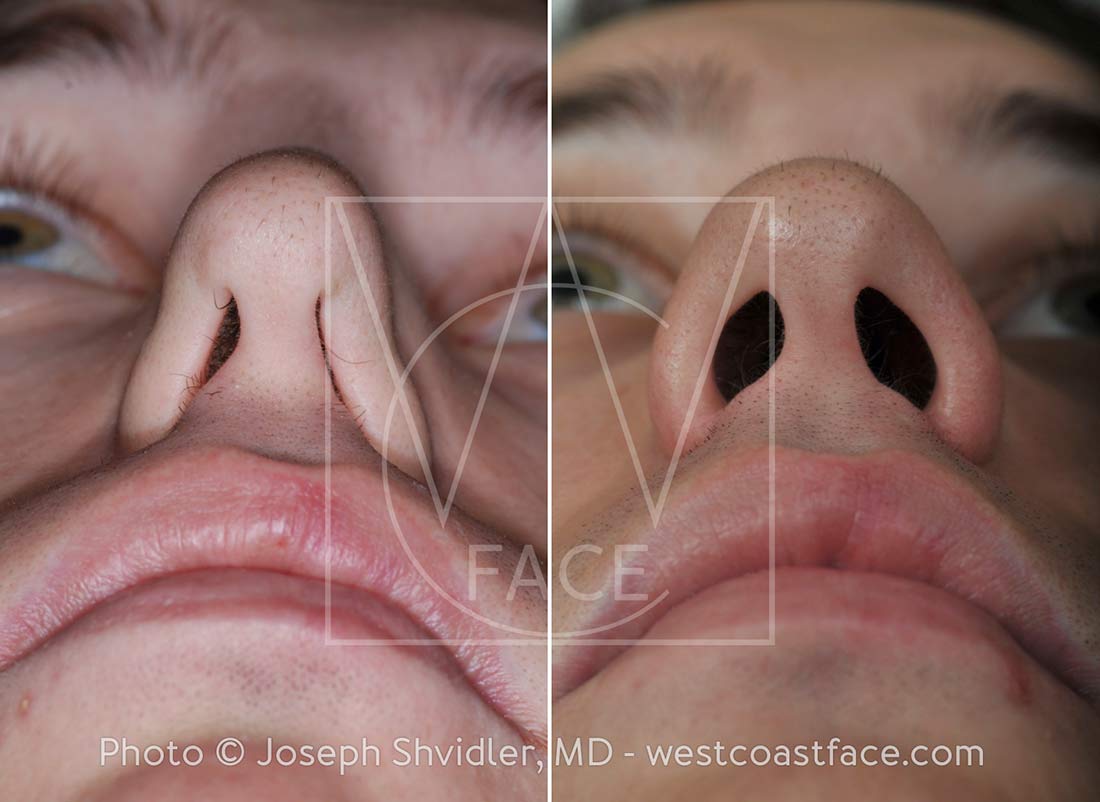
Request to see before-and-after photos of previous patients. These images provide insight into the surgeon's skill and the types of results you can expect. Pay attention to the naturalness of the results, the quality of the incisions, and the overall harmony of the facial features.
5. Patient Testimonials and Reviews
Reading testimonials and reviews from previous patients can offer valuable perspectives on the surgeon's bedside manner, professionalism, and the overall patient experience. Look for reviews on reputable platforms and consider reaching out to former patients if possible to gain firsthand accounts.
6. Consultation and Communication
Schedule a consultation to meet the surgeon in person. This meeting allows you to discuss your goals, ask questions, and assess the surgeon's communication style. A good surgeon will listen attentively, provide clear explanations, and make you feel comfortable and informed throughout the process.
7. Consider the Surgical Facility
Ensure that the surgery will be performed in an accredited surgical facility. Accreditation ensures that the facility meets stringent safety and quality standards. Inquire about the anesthesia options, recovery protocols, and the support staff's experience and qualifications.
8. Understand the Risks and Recovery
Every surgical procedure carries risks. Discuss potential complications, such as infection, scarring, or changes in vision, and understand the recovery process. A reputable surgeon will provide a realistic overview of what to expect before, during, and after the surgery.
9. Cost and Insurance Considerations
While cost should not be the sole determining factor, it's important to understand the financial aspects of the surgery. Inquire about the total cost, including surgeon's fees, anesthesia, facility charges, and any post-operative care. If the surgery is medically necessary, check with your insurance provider to determine coverage options.
10. Trust Your Instincts
Finally, trust your instincts. If something doesn't feel right during the consultation or if you have reservations about the surgeon's approach, it's okay to seek a second opinion. Your comfort and confidence in the surgeon are essential for a successful outcome.



No comments:
Post a Comment