Nasal Valve Collapse: Causes, Symptoms, and Effective Treatments
What is Nasal Valve Collapse?
The nasal valve is the narrowest part of the nasal airway, playing a critical role in proper airflow through the nose. When this area becomes weakened or collapses, it can significantly impair breathing, reduce airflow efficiency, and cause a persistent sensation of nasal obstruction. Nasal valve collapse is a common but frequently overlooked cause of breathing difficulties. Recognizing the condition and seeking professional evaluation are key steps in achieving effective treatment and improved quality of life.
Causes of Nasal Valve Collapse
Nasal valve collapse can result from a variety of factors, often involving structural weakness or changes in the nasal tissues:
- Congenital Structural Weakness: Some individuals are born with a naturally narrow or weak nasal valve, predisposing them to collapse.
- Previous Nasal Surgery: Prior rhinoplasty or septal surgery can inadvertently weaken the nasal valve if cartilage or supporting structures are altered.
- Trauma or Injury: Physical trauma to the nose from accidents, sports, or other impacts can damage cartilage, leading to structural weakness and eventual collapse.
- Aging: Over time, nasal cartilage can lose strength, and soft tissue may weaken, contributing to functional collapse of the valve.
- Inflammatory Conditions: Chronic sinus inflammation, allergies, or swelling can exacerbate nasal valve weakness, worsening airflow obstruction.
Recognizing the Symptoms
Patients with nasal valve collapse may notice a range of symptoms that affect daily life. Common signs include:
- Difficulty breathing through one or both nostrils
- A sensation of nasal congestion or blockage
- Noisy or turbulent airflow during inhalation
- Frequent mouth breathing, especially at night
- Reduced exercise tolerance due to limited airflow
These symptoms are often mistaken for allergies or sinus congestion, making accurate diagnosis essential.
How Nasal Valve Collapse is Diagnosed
Diagnosis requires a comprehensive evaluation by a qualified facial plastic surgeon or ENT specialist. The examination may include:
- Visual inspection of the nasal passages and valve area
- Palpation of the lower lateral cartilages to assess strength and support
- Endoscopic evaluation to observe airway function during breathing
- Functional tests such as the Cottle maneuver, which involves gently opening the nasal valve to determine improvement in airflow
A precise diagnosis allows the surgeon to develop an individualized treatment plan for long-lasting improvement.
Treatment Options
Management of nasal valve collapse depends on the severity of the condition and the underlying cause. Treatments range from non-surgical approaches to advanced surgical interventions.
Non-Surgical Approaches
For mild or temporary cases, non-surgical strategies may help improve nasal airflow:
- Internal nasal dilators or external adhesive strips to support the nasal valve and enhance breathing
- Allergy management and anti-inflammatory medications to reduce swelling that contributes to obstruction
- Breathing exercises and nasal hygiene practices to maintain clear airways
Surgical Solutions
More significant nasal valve collapse often requires surgical correction for long-term improvement. Common surgical techniques include:
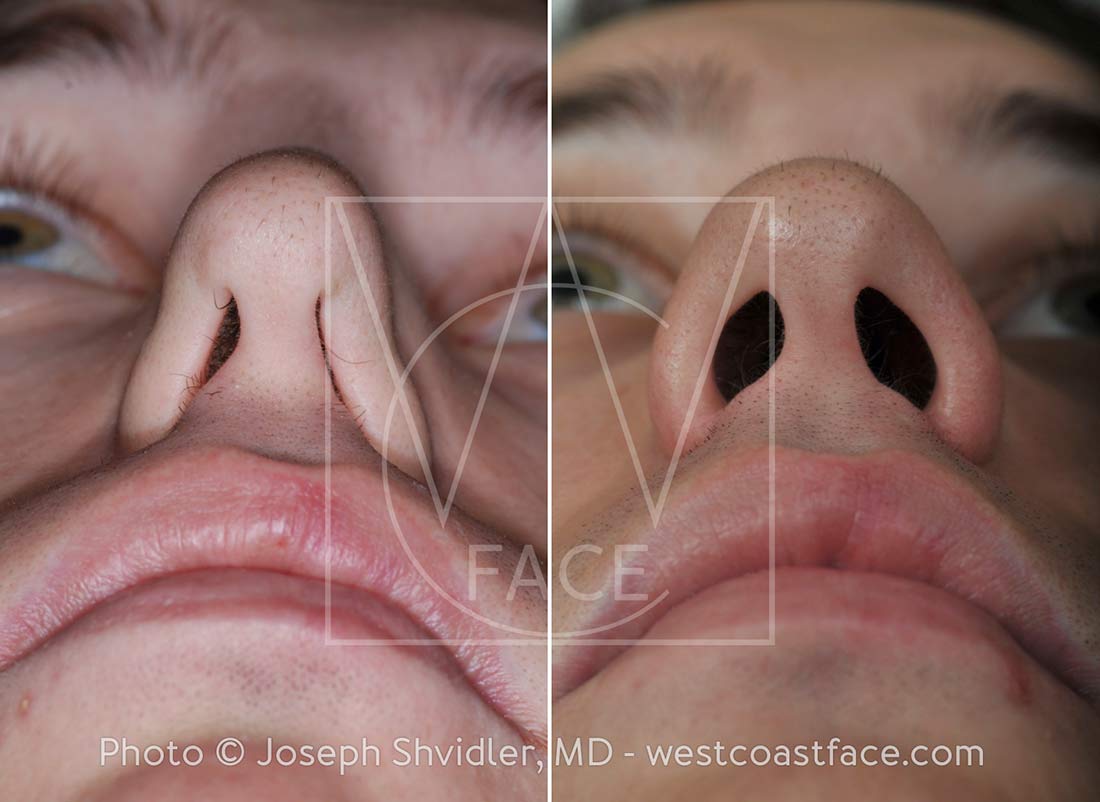
- Cartilage Grafting: Reinforcing weakened areas of the nasal valve using cartilage from the septum, ear, or rib to prevent inward collapse.
- Spreader Grafts: Placing grafts between the septum and upper lateral cartilages to widen and stabilize the nasal valve.
- Alar Batten Grafts: Supporting the lower lateral cartilage to prevent inward movement of the nasal sidewalls during inhalation.
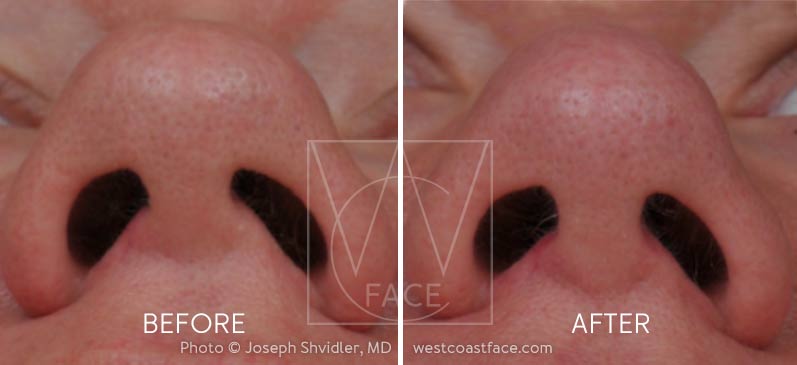
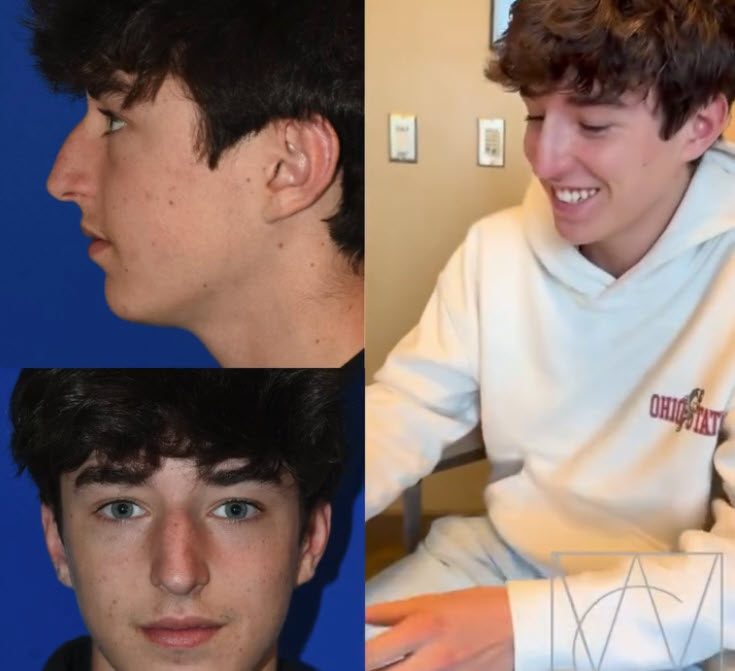
- Functional Rhinoplasty: Combining aesthetic and functional techniques to improve both breathing and appearance.
Post-surgical recovery involves monitoring for swelling, bruising, and airway improvement. Patients typically notice gradual improvement over several weeks, with optimal results becoming apparent as tissues heal.
Choosing an Experienced Surgeon
Successful correction of nasal valve collapse requires a surgeon skilled in both functional and aesthetic nasal procedures. The nose is a complex structure, and achieving proper airflow while maintaining or enhancing appearance demands precision and expertise. Board-certified facial plastic surgeons, like Dr. Joseph Shvidler, offer tailored treatment plans to address each patient’s unique anatomy and goals.
Recovery and Long-Term Considerations
Recovery from nasal valve surgery varies depending on procedure complexity. Key points include:
- Swelling and minor bruising during the first 1–2 weeks
- Temporary congestion as tissues heal
- Gradual improvement in breathing function over several weeks to months
- Long-term structural support to prevent recurrence of collapse
Patients should follow post-operative care instructions closely and attend all follow-up visits to ensure lasting results.
Summary
Nasal valve collapse is a significant cause of nasal obstruction, affecting airflow and quality of life. Causes include congenital weakness, previous surgery, trauma, aging, and inflammation. Symptoms range from difficulty breathing and congestion to noisy airflow and reduced exercise tolerance. Treatment options include non-surgical support for mild cases and surgical correction for more severe collapse. Consultation with an experienced facial plastic surgeon ensures a personalized approach that improves both function and appearance.