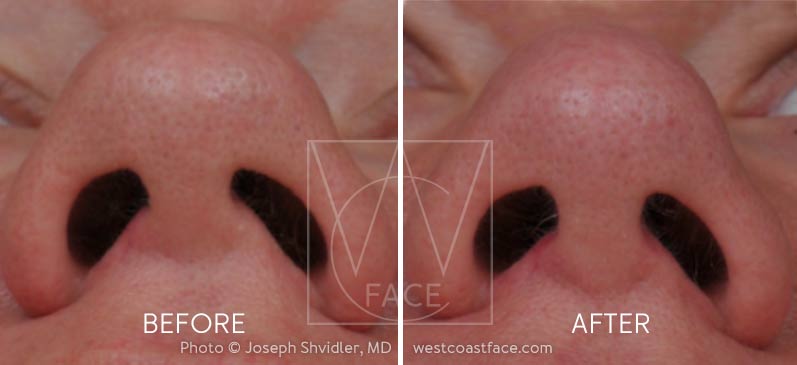
Open Rhinoplasty vs. Closed Rhinoplasty – The Debate Goes On
Rhinoplasty is one of the most common and transformative plastic surgery procedures, chosen by patients who want to improve both the function and appearance of their nose. Among the many decisions a person faces when considering nasal surgery is whether to undergo an open rhinoplasty or a closed rhinoplasty. While both techniques can deliver excellent outcomes, the differences in surgical approach, recovery, and potential results are worth understanding in detail.
What Is Open Rhinoplasty?
Open rhinoplasty is a technique in which the surgeon makes a small incision across the columella—the strip of skin between the nostrils. This approach allows the skin of the nose to be lifted, giving the surgeon full visibility and access to the underlying cartilage and bone structure. The enhanced visibility can make it easier to perform precise adjustments, especially in more complex or reconstructive cases.
Patients who choose open rhinoplasty often do so because it offers surgeons greater control and accuracy. The procedure can address issues such as severe crookedness, nasal collapse, or asymmetry that may be difficult to treat with a closed technique.
What Is Closed Rhinoplasty?
Closed rhinoplasty, sometimes called endonasal rhinoplasty, involves incisions that are made entirely inside the nostrils. This technique avoids any external scars and often results in a faster recovery period due to less tissue disruption. While the visibility for the surgeon is more limited compared to open rhinoplasty, many patients with less complex nasal concerns can achieve excellent results through this method.
Closed rhinoplasty is commonly preferred for patients who require subtle changes, such as smoothing a nasal hump, narrowing the bridge, or making small tip adjustments. Because there is no external incision, many patients also appreciate the fact that scarring is not visible.
Advantages of Open Rhinoplasty
- Improved visibility: Surgeons have a direct line of sight to the underlying structures.
- Better precision: Useful for correcting severe deformities or asymmetries.
- Flexibility: Allows for more advanced grafting techniques and reconstructive work.
- Predictable results: Especially beneficial for revision rhinoplasty cases.
Advantages of Closed Rhinoplasty
- No external scar: Incisions are hidden inside the nostrils.
- Reduced swelling: Typically less postoperative swelling compared to open rhinoplasty.
- Faster recovery: Healing time may be shorter due to less disruption of nasal tissue.
- Shorter surgery time: Closed procedures can sometimes be completed more quickly.
Disadvantages of Each Technique
While each technique has advantages, there are also potential drawbacks:
- Open rhinoplasty: May result in slightly more swelling and a small scar on the columella, though it usually fades well.
- Closed rhinoplasty: Provides limited access for the surgeon, which can make it more difficult to address complex issues.
Which Approach Is Right for You?
Deciding between open and closed rhinoplasty depends on your unique anatomy, cosmetic goals, and whether functional breathing issues are present. Patients with complex deformities, previous nasal trauma, or revision needs may benefit more from an open approach. On the other hand, patients seeking minor cosmetic changes and a quicker recovery may find closed rhinoplasty sufficient.
Recovery After Open vs. Closed Rhinoplasty
Recovery times differ slightly between the two methods. Open rhinoplasty generally involves more swelling, which may take several months to fully resolve, while closed rhinoplasty tends to result in less swelling and bruising. Regardless of the method, most patients return to work within 1–2 weeks, though full results continue to refine over 6–12 months.
Long-Term Results
Both open and closed rhinoplasty offer lasting results. The technique itself does not determine how long results will endure, but rather how well the surgery was performed, the patient’s healing response, and adherence to postoperative care instructions. A well-executed rhinoplasty by a skilled surgeon can last a lifetime.
The Importance of Choosing the Right Surgeon
Whether open or closed rhinoplasty is best suited for you, the most important factor in achieving a successful outcome is selecting an experienced facial plastic surgeon. Surgeons with expertise in both techniques can evaluate your anatomy and goals to recommend the best approach.
Consultation and Personalized Planning
During a consultation, your surgeon will examine your nasal structure, discuss your goals, and explain the pros and cons of each technique. Computer imaging may also be used to help you visualize possible results. Ultimately, the choice between open and closed rhinoplasty should be a collaborative decision tailored to your needs.
Conclusion
The debate between open and closed rhinoplasty continues because both techniques have their place in modern facial plastic surgery. While open rhinoplasty provides unmatched visibility for complex cases, closed rhinoplasty offers a less invasive path with faster healing. What matters most is partnering with a skilled surgeon who understands both approaches and can guide you toward the procedure that aligns with your goals.
Joseph Shvidler MD
1101 Madison St #1280 Seattle, WA 98104
(206) 624-6200



No comments:
Post a Comment