Monday, September 15, 2025

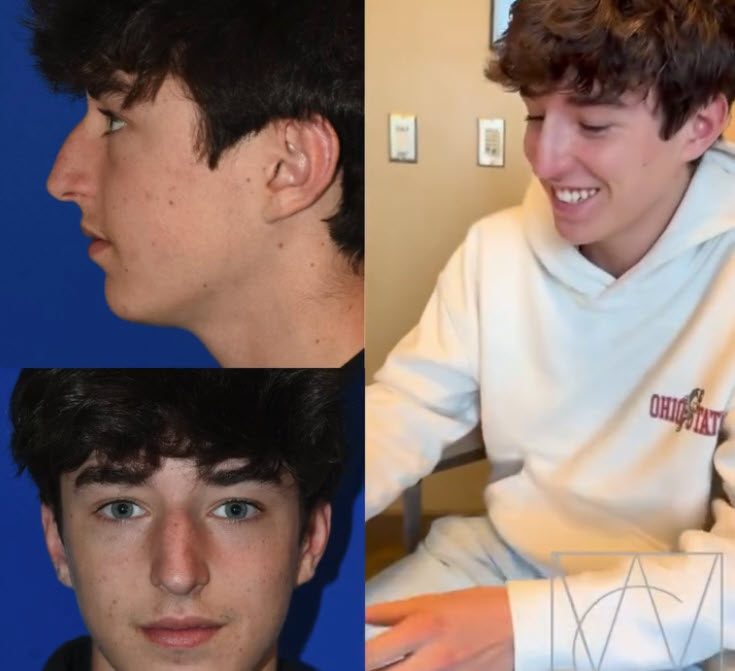
Nasal Valve Collapse

Nasal Valve Collapse | Seattle Facial Plastic Surgery

Nasal Valve Collapse: Causes, Symptoms, and Effective Treatments

What is Nasal Valve Collapse?

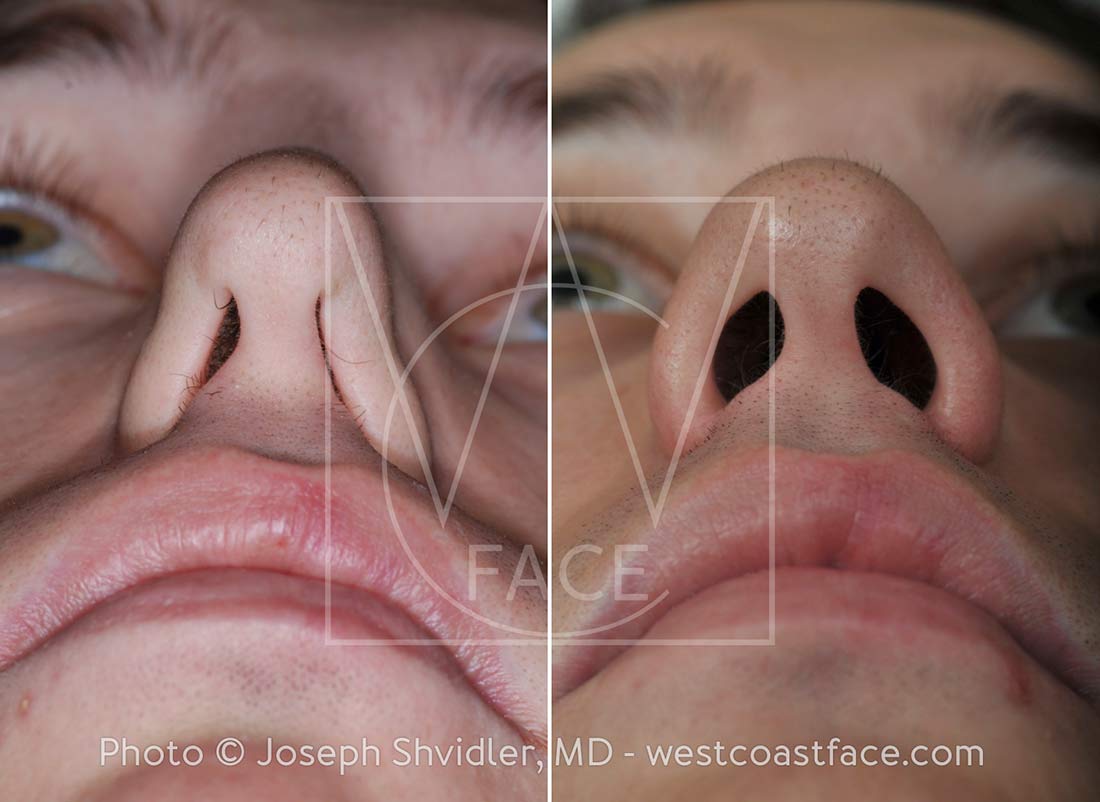
The nasal valve is the narrowest part of the nasal airway, playing a critical role in proper airflow through the nose. When this area becomes weakened or collapses, it can significantly impair breathing, reduce airflow efficiency, and cause a persistent sensation of nasal obstruction. Nasal valve collapse is a common but frequently overlooked cause of breathing difficulties. Recognizing the condition and seeking professional evaluation are key steps in achieving effective treatment and improved quality of life.

Causes of Nasal Valve Collapse

Nasal valve collapse can result from a variety of factors, often involving structural weakness or changes in the nasal tissues:

  • Congenital Structural Weakness: Some individuals are born with a naturally narrow or weak nasal valve, predisposing them to collapse.
  • Previous Nasal Surgery: Prior rhinoplasty or septal surgery can inadvertently weaken the nasal valve if cartilage or supporting structures are altered.
  • Trauma or Injury: Physical trauma to the nose from accidents, sports, or other impacts can damage cartilage, leading to structural weakness and eventual collapse.
  • Aging: Over time, nasal cartilage can lose strength, and soft tissue may weaken, contributing to functional collapse of the valve.
  • Inflammatory Conditions: Chronic sinus inflammation, allergies, or swelling can exacerbate nasal valve weakness, worsening airflow obstruction.

Recognizing the Symptoms

Patients with nasal valve collapse may notice a range of symptoms that affect daily life. Common signs include:

  • Difficulty breathing through one or both nostrils
  • A sensation of nasal congestion or blockage
  • Noisy or turbulent airflow during inhalation
  • Frequent mouth breathing, especially at night
  • Reduced exercise tolerance due to limited airflow

These symptoms are often mistaken for allergies or sinus congestion, making accurate diagnosis essential.

How Nasal Valve Collapse is Diagnosed

Diagnosis requires a comprehensive evaluation by a qualified facial plastic surgeon or ENT specialist. The examination may include:

  • Visual inspection of the nasal passages and valve area
  • Palpation of the lower lateral cartilages to assess strength and support
  • Endoscopic evaluation to observe airway function during breathing
  • Functional tests such as the Cottle maneuver, which involves gently opening the nasal valve to determine improvement in airflow

A precise diagnosis allows the surgeon to develop an individualized treatment plan for long-lasting improvement.

Treatment Options

Management of nasal valve collapse depends on the severity of the condition and the underlying cause. Treatments range from non-surgical approaches to advanced surgical interventions.

Non-Surgical Approaches

For mild or temporary cases, non-surgical strategies may help improve nasal airflow:

  • Internal nasal dilators or external adhesive strips to support the nasal valve and enhance breathing
  • Allergy management and anti-inflammatory medications to reduce swelling that contributes to obstruction
  • Breathing exercises and nasal hygiene practices to maintain clear airways

Surgical Solutions

More significant nasal valve collapse often requires surgical correction for long-term improvement. Common surgical techniques include:

  • Cartilage Grafting: Reinforcing weakened areas of the nasal valve using cartilage from the septum, ear, or rib to prevent inward collapse.
  • Spreader Grafts: Placing grafts between the septum and upper lateral cartilages to widen and stabilize the nasal valve.
  • Alar Batten Grafts: Supporting the lower lateral cartilage to prevent inward movement of the nasal sidewalls during inhalation.
  • Functional Rhinoplasty: Combining aesthetic and functional techniques to improve both breathing and appearance.

Post-surgical recovery involves monitoring for swelling, bruising, and airway improvement. Patients typically notice gradual improvement over several weeks, with optimal results becoming apparent as tissues heal.

Choosing an Experienced Surgeon

Successful correction of nasal valve collapse requires a surgeon skilled in both functional and aesthetic nasal procedures. The nose is a complex structure, and achieving proper airflow while maintaining or enhancing appearance demands precision and expertise. Board-certified facial plastic surgeons, like Dr. Joseph Shvidler, offer tailored treatment plans to address each patient’s unique anatomy and goals.

Recovery and Long-Term Considerations

Recovery from nasal valve surgery varies depending on procedure complexity. Key points include:

  • Swelling and minor bruising during the first 1–2 weeks
  • Temporary congestion as tissues heal
  • Gradual improvement in breathing function over several weeks to months
  • Long-term structural support to prevent recurrence of collapse

Patients should follow post-operative care instructions closely and attend all follow-up visits to ensure lasting results.

Summary

Nasal valve collapse is a significant cause of nasal obstruction, affecting airflow and quality of life. Causes include congenital weakness, previous surgery, trauma, aging, and inflammation. Symptoms range from difficulty breathing and congestion to noisy airflow and reduced exercise tolerance. Treatment options include non-surgical support for mild cases and surgical correction for more severe collapse. Consultation with an experienced facial plastic surgeon ensures a personalized approach that improves both function and appearance.

Open Rhinoplasty vs. Closed Rhinoplasty

Open vs. Closed Rhinoplasty – Understanding the Debate

Open Rhinoplasty vs. Closed Rhinoplasty – The Debate Goes On

Rhinoplasty is one of the most common and transformative plastic surgery procedures, chosen by patients who want to improve both the function and appearance of their nose. Among the many decisions a person faces when considering nasal surgery is whether to undergo an open rhinoplasty or a closed rhinoplasty. While both techniques can deliver excellent outcomes, the differences in surgical approach, recovery, and potential results are worth understanding in detail.

What Is Open Rhinoplasty?

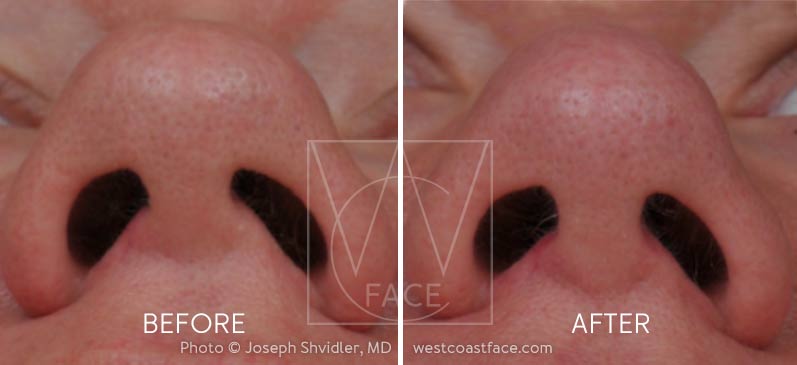
Open rhinoplasty is a technique in which the surgeon makes a small incision across the columella—the strip of skin between the nostrils. This approach allows the skin of the nose to be lifted, giving the surgeon full visibility and access to the underlying cartilage and bone structure. The enhanced visibility can make it easier to perform precise adjustments, especially in more complex or reconstructive cases.

Patients who choose open rhinoplasty often do so because it offers surgeons greater control and accuracy. The procedure can address issues such as severe crookedness, nasal collapse, or asymmetry that may be difficult to treat with a closed technique.

What Is Closed Rhinoplasty?

Closed rhinoplasty, sometimes called endonasal rhinoplasty, involves incisions that are made entirely inside the nostrils. This technique avoids any external scars and often results in a faster recovery period due to less tissue disruption. While the visibility for the surgeon is more limited compared to open rhinoplasty, many patients with less complex nasal concerns can achieve excellent results through this method.

Closed rhinoplasty is commonly preferred for patients who require subtle changes, such as smoothing a nasal hump, narrowing the bridge, or making small tip adjustments. Because there is no external incision, many patients also appreciate the fact that scarring is not visible.

Advantages of Open Rhinoplasty

  • Improved visibility: Surgeons have a direct line of sight to the underlying structures.
  • Better precision: Useful for correcting severe deformities or asymmetries.
  • Flexibility: Allows for more advanced grafting techniques and reconstructive work.
  • Predictable results: Especially beneficial for revision rhinoplasty cases.

Advantages of Closed Rhinoplasty

  • No external scar: Incisions are hidden inside the nostrils.
  • Reduced swelling: Typically less postoperative swelling compared to open rhinoplasty.
  • Faster recovery: Healing time may be shorter due to less disruption of nasal tissue.
  • Shorter surgery time: Closed procedures can sometimes be completed more quickly.

Disadvantages of Each Technique

While each technique has advantages, there are also potential drawbacks:

  • Open rhinoplasty: May result in slightly more swelling and a small scar on the columella, though it usually fades well.
  • Closed rhinoplasty: Provides limited access for the surgeon, which can make it more difficult to address complex issues.

Which Approach Is Right for You?

Deciding between open and closed rhinoplasty depends on your unique anatomy, cosmetic goals, and whether functional breathing issues are present. Patients with complex deformities, previous nasal trauma, or revision needs may benefit more from an open approach. On the other hand, patients seeking minor cosmetic changes and a quicker recovery may find closed rhinoplasty sufficient.

Recovery After Open vs. Closed Rhinoplasty

Recovery times differ slightly between the two methods. Open rhinoplasty generally involves more swelling, which may take several months to fully resolve, while closed rhinoplasty tends to result in less swelling and bruising. Regardless of the method, most patients return to work within 1–2 weeks, though full results continue to refine over 6–12 months.

Long-Term Results

Both open and closed rhinoplasty offer lasting results. The technique itself does not determine how long results will endure, but rather how well the surgery was performed, the patient’s healing response, and adherence to postoperative care instructions. A well-executed rhinoplasty by a skilled surgeon can last a lifetime.

The Importance of Choosing the Right Surgeon

Whether open or closed rhinoplasty is best suited for you, the most important factor in achieving a successful outcome is selecting an experienced facial plastic surgeon. Surgeons with expertise in both techniques can evaluate your anatomy and goals to recommend the best approach.

Consultation and Personalized Planning

During a consultation, your surgeon will examine your nasal structure, discuss your goals, and explain the pros and cons of each technique. Computer imaging may also be used to help you visualize possible results. Ultimately, the choice between open and closed rhinoplasty should be a collaborative decision tailored to your needs.

Conclusion

The debate between open and closed rhinoplasty continues because both techniques have their place in modern facial plastic surgery. While open rhinoplasty provides unmatched visibility for complex cases, closed rhinoplasty offers a less invasive path with faster healing. What matters most is partnering with a skilled surgeon who understands both approaches and can guide you toward the procedure that aligns with your goals.


Joseph Shvidler MD
1101 Madison St #1280 Seattle, WA 98104
(206) 624-6200

Find Dr. Joseph Shvidler Online

How Long Does a Nose Job Last?

How Long Does a Nose Job Last? — Longevity, What Affects It & Maintenance

How Long Does a Nose Job Last?

Rhinoplasty is one of the most transformative facial surgeries — people want to know how long the results last. The short answer is: most changes are permanent, but the appearance and function of your nose can evolve over time. This guide explains what “permanent” means, what affects longevity, how aging and injury play a role, and when revision surgery might be appropriate.

Is a nose job permanent?

Rhinoplasty permanently changes bone and cartilage shape. When a surgeon removes or reshapes cartilage or bone, those changes do not revert. In that sense, a nose job is permanent. That said, the final long-term appearance depends on healing, how the nose is supported after surgery, and natural aging — so “permanent” does not always mean “unchanging.”

What stays permanent and what can change?

Permanently changed: Bone segments removed or fractured (osteotomies) and cartilage removed from the septum are permanent modifications. If your dorsal hump is lowered surgically, that change remains.

May evolve over time: Soft tissue contours, scar tissue, and subtle tip position can continue to refine for up to 12–18 months after surgery. The nose will also age with you — skin thins, soft tissues descend slightly, and gravity changes projection. These age-related changes are natural and occur even in people who never had surgery.

Key factors that influence how long results last

Longevity depends on several interrelated factors:

  • Surgical technique: A technique that preserves or rebuilds nasal support (using grafts where needed) will produce more stable results than aggressive resections without reinforcement.
  • Quality and amount of cartilage: Patients with thin septal cartilage or prior surgeries may require grafts (ear or rib) to maintain shape long term.
  • Healing and scar formation: Individual healing responses vary — some form firmer scar tissue that stabilizes quickly, others have slower remodeling.
  • Trauma or injury: A subsequent nasal injury can alter or reverse some cosmetic changes.
  • Aging: Natural aging gradually affects projection, tip rotation, and skin quality.

Primary vs. revision rhinoplasty — survival of results

Primary (first-time) rhinoplasty generally has more predictable, durable outcomes because more native tissue and cartilage are available. Revision rhinoplasty — surgery to correct or improve a prior result — is often more complex. Scar tissue, previous cartilage removal, and altered anatomy increase the technical difficulty and can influence longevity. Successful revisions that use robust grafts to rebuild structure can last many years, even decades, but they may require more extensive reconstruction at the time of surgery.

How aging affects a surgically altered nose

Even after a technically perfect rhinoplasty, the nose continues to age. Key changes include:

  • Gradual tip droop or loss of rotation due to soft tissue relaxation and gravity.
  • Skin envelope changes — thinning or thickening — that alter the visible contours.
  • Loss of subcutaneous fat and collagen that can change nasal lines subtly over many years.

These are normal, slow processes. Patients sometimes opt for minor revisions later in life if age-related changes affect aesthetics or breathing.

Materials and grafts — does choice matter for longevity?

Graft materials (septal, ear, or rib cartilage) are chosen based on how much support is needed. Autologous cartilage (your own tissue) integrates well and tends to be long-lasting. Silicone and other synthetic implants are available in some regions, but they carry higher risks of extrusion, infection, and long-term problems — most experienced rhinoplasty surgeons prefer autologous grafts for durable, natural results.

When might you need revision surgery?

Revision is considered when functional or cosmetic goals haven’t been met or when changes develop later that cause symptoms or dissatisfaction. Common reasons for revision include:

  • Persistent or new breathing difficulties due to valve collapse or septal issues.
  • Unwanted cosmetic irregularities — saddling, asymmetry, or tip deformities.
  • Long-term changes from prior over-resection or poor structural support.

Timing matters: most surgeons wait at least 12 months after primary rhinoplasty before performing revision, giving tissues time to stabilize unless urgent problems (infection, skin breakdown) require earlier attention.

How to maximize the lifespan of your rhinoplasty results

  • Choose an experienced rhinoplasty surgeon who emphasizes structural support and long-term stability.
  • Follow postoperative care instructions — protecting your nose from trauma, managing swelling, and avoiding activities that risk impact for the recommended period.
  • Protect your skin from sun damage and maintain skin health; thinning or damaged skin changes how the nose looks over time.
  • Address breathing issues early — functional problems left untreated can cause poorer quality of life and sometimes progressive deformity.
Takeaway: Most rhinoplasty changes are permanent because they involve reshaping bone and cartilage, but long-term appearance and function can shift with healing, aging, injury, and prior surgeries. Careful technique, structural reinforcement, and sensible postoperative care give you the best chance for results that last for many years.

Tuesday, September 9, 2025

Buttock Lift Surgery

Buttock Lift & Brazilian Buttock Enhancement in Williamsburg & Newport News, VA

Buttock Lift & Brazilian Buttock Enhancement in Williamsburg & Newport News, VA

Many patients seek a firmer, more contoured silhouette in the buttock region—one that complements their body's natural curves. Whether you're looking to add volume or redefine shape, a buttock lift—or Brazilian buttock enhancement (BBL)—can provide meaningful, personalized results. At our Virginia offices, located in Williamsburg and Newport News, Dr. Michael Cohen works closely with each patient to determine whether fat grafting, anatomic tissue lift, or a combination will deliver the most beautiful outcome tailored to you.

Understanding Your Options

There are two primary methods to enhance the buttock area:

  • Brazilian Buttock Lift (BBL): Smart fat removal via liposuction from other parts of your body—typically the abdomen, flanks, or thighs—is carefully purified and injected into the buttocks to boost volume, lift, and contour.
  • Buttock Lift with Tissue Repositioning: Excess skin and tissue from the “love handle” area is lifted and strategically repositioned to enhance the upper buttock profile. This technique effectively sculpts the waist while rejuvenating the lower trunk, though it does involve a longer incision and resulting scar.

Which Procedure Suits You Best?

At your initial consultation, Dr. Cohen evaluates multiple elements—your current anatomy, skin elasticity, contour goals, health profile, and preference regarding scarring. Together, you’ll choose a path that balances aesthetic goals with your comfort and lifestyle.

Key Benefits of Fat-Grafting (BBL)

  • Uses your own tissue for a more naturally integrated look.
  • Simultaneously slims areas of unwanted fat via liposuction.
  • Enhanced projection, roundness, and lift using minimal invasion.
  • Discreet incision points with lower risk of visible scarring.

Important Note: Although BBLs provide significant contouring, patients must be committed to safe recovery practices and proper postoperative care—fat transfer success hinges on meticulous surgical technique and post-op positioning.

Benefits of Tissue Lift Method

  • Effectively tightens loose or sagging skin, especially after dramatic weight loss or pregnancy.
  • Offers both contour enhancement and waistline refinement in a single procedure.
  • Ideal for patients with limited excess fat or those seeking lift without augmentation.

What to Expect During Treatment

Both techniques begin under sedation or general anesthesia. For BBL, fat is harvested through liposuction, then processed and injected with precision. In the tissue lift method, surgical repositioning and removal are carefully executed to create a smoother, elevated buttock contour. Drains or compression may be used post-surgery depending on the approach.

Recovery & Aftercare

  • Initial recovery takes around 1–2 weeks, with swelling and bruising at its peak during this period.
  • BBL patients need to avoid sitting directly on the buttocks for about 2–3 weeks to maximize fat survival.
  • Compression garments help reduce swelling and support tissue adherence.
  • Light movement is encouraged early; strenuous activity is typically restricted for 4–6 weeks.
  • Final results appear as swelling subsides and tissues settle over several months.

Long-Term Results & Maintenance

Whether you undergo a BBL or tissue-lift procedure, the results you love can last for years with consistent weight management and healthy habits. Fat transferred during BBL becomes a lasting part of your anatomy, while lifted tissues maintain their improved formation if weight remains stable.

Why Choose Dr. Michael Cohen?

Dr. Cohen’s experience in both surgical precision and aesthetic design ensures outcomes that enhance your natural beauty, not overpower it. His commitment to individualized planning, safety, and subtlety has helped many patients in Williamsburg and Hampton Roads achieve results they feel confident in for years to come.

Is a Buttock Enhancement Right for You?

Ideal candidates are in good overall health, at a stable weight, and committed to following surgical and recovery instructions. Whether your goals lean toward volume enhancement, contour lift, or both—you’ll benefit from a personalized consultation to determine the most effective strategy.

Mommy Makeover Surgery

Mommy Makeover in Williamsburg & Newport News, VA

Mommy Makeover in Williamsburg & Newport News, VA

Motherhood is one of life’s most rewarding journeys, but pregnancy, childbirth, and breastfeeding often leave lasting effects on a woman’s body. Many women notice changes such as loose skin, stubborn fat deposits, and deflated or sagging breasts that do not respond to diet or exercise. A mommy makeover is a customized set of plastic surgery procedures designed to help restore your pre-pregnancy figure and renew your confidence.

What Is a Mommy Makeover?

A mommy makeover is not a single procedure but rather a tailored surgical plan that addresses the areas most affected by pregnancy. By combining multiple treatments, this approach minimizes downtime while maximizing results. The most common procedures include tummy tuck surgery, liposuction, and breast enhancement.

Why Consider a Mommy Makeover?

After pregnancy, even women who maintain a healthy lifestyle may find that their body does not fully return to its previous state. Exercise and diet can help with overall wellness, but they often cannot correct stretched skin, separated abdominal muscles, or volume loss in the breasts. A mommy makeover directly targets these concerns, providing a dramatic improvement in body contour.

Did You Know? A tummy tuck can repair diastasis recti, a common condition in which the abdominal muscles separate during pregnancy, leading to a bulging belly that cannot be corrected with exercise alone.

Common Procedures Included

  • Tummy Tuck (Abdominoplasty): Removes excess skin and fat from the midsection while tightening abdominal muscles for a flatter, toned stomach.
  • Liposuction: Targets stubborn fat pockets in areas such as the hips, thighs, and waist to improve body contour.
  • Breast Augmentation: Restores lost volume with implants for fuller, youthful-looking breasts.
  • Breast Lift: Corrects sagging by lifting and reshaping the breasts for a perkier profile.
  • Breast Reduction: For women whose breasts have become overly large or uncomfortable after pregnancy, this surgery provides relief and balance.

Personalized Treatment Plans

No two women experience pregnancy the same way, which is why a mommy makeover is highly individualized. Some women may benefit from only a tummy tuck and breast lift, while others may combine multiple procedures. During your consultation, Dr. Michael Cohen carefully listens to your goals, evaluates your health, and designs a plan tailored specifically for you.

Benefits of a Mommy Makeover

  • Restored body confidence: Feel more comfortable in fitted clothing and swimwear.
  • Comprehensive improvement: Address multiple areas of concern in a single surgical plan.
  • Balanced proportions: Achieve natural-looking results that enhance your overall shape.
  • Long-lasting results: With a healthy lifestyle, results can last for many years.
  • Emotional renewal: Many women report feeling more like themselves again after surgery.

Recovery and Healing

Since a mommy makeover often combines procedures, recovery can vary. Most patients should expect:

  • Initial downtime of about two weeks, with limited physical activity.
  • Wearing compression garments to minimize swelling and support healing.
  • Gradual return to exercise and strenuous activities after six weeks, as advised by the surgeon.
  • Final results becoming more visible over several months as the body heals.

Patients with young children may want to arrange extra help during the early recovery phase, since lifting and bending will be restricted for a period of time.

Am I a Good Candidate?

Ideal candidates for a mommy makeover are women who are in good health, have completed childbearing, and maintain a stable weight. Non-smokers with realistic expectations typically achieve the best outcomes. While it is possible to undergo these procedures before completing your family, future pregnancies may affect your results.

Choosing the Right Surgeon

The success of your mommy makeover depends on choosing a highly qualified and experienced surgeon. Dr. Michael Cohen combines advanced surgical expertise with an artistic eye, helping patients achieve results that look natural rather than “surgical.” His compassionate approach ensures that every treatment plan is designed around each patient’s lifestyle and goals.

Life After a Mommy Makeover

The benefits of a mommy makeover extend far beyond physical appearance. Many women describe feeling more energetic, confident, and motivated after their transformation. From enjoying beach trips with family to wearing their favorite outfits again, the renewed sense of self is one of the most rewarding aspects of the procedure.

Maintaining Your Results

While surgery provides long-term improvement, maintaining results requires a commitment to healthy habits. Regular exercise, a balanced diet, and avoiding significant weight fluctuations help preserve your figure. Patients who maintain stable weight and follow post-surgical guidelines often enjoy their results for many years.

Gynecomastia Surgery

Male Breast Reduction in Sugar Land, TX — Gynecomastia Surgery

Male Breast Reduction Surgery in Sugar Land, TX

Gynecomastia, commonly known as enlarged male breasts, is a condition that affects many men at different stages of life. While often associated with adolescence, gynecomastia can persist into adulthood, causing self-consciousness and discomfort. At Sugar Land Plastic Surgery, male breast reduction offers a long-term solution for those seeking a flatter, more masculine chest and renewed confidence.

Understanding Gynecomastia

Gynecomastia is the abnormal enlargement of breast tissue in men. Unlike temporary fat accumulation, this condition involves glandular tissue, fatty deposits, or a combination of both. It can affect one or both sides of the chest and may vary in severity from mild puffiness to significant enlargement that resembles female breasts.

Common Causes

Several factors can contribute to gynecomastia, including:

  • Hormonal imbalance: An increase in estrogen or decrease in testosterone can cause breast tissue growth.
  • Adolescence: Hormonal changes during puberty can trigger temporary gynecomastia, sometimes lasting into adulthood.
  • Medications: Certain drugs for heart conditions, depression, and other illnesses may promote tissue enlargement.
  • Substance use: Alcohol, anabolic steroids, and recreational drugs are known contributors.
  • Aging: As hormone levels naturally decline, older men may experience late-onset gynecomastia.
  • Medical conditions: Issues with the thyroid, liver, or kidneys can also play a role.

Emotional and Physical Impact

Men with gynecomastia often avoid certain clothing, public swimming, or situations where their chest is visible. The emotional toll can include embarrassment, social withdrawal, and reduced confidence. In some cases, tenderness or physical discomfort may also occur, making daily activities more challenging.

Quick Fact: Studies suggest that up to 60% of men will experience some degree of gynecomastia in their lifetime, making it far more common than many realize.

What Is Male Breast Reduction?

Male breast reduction surgery is designed to remove excess fat and glandular tissue from the chest to restore a flatter, firmer appearance. Depending on the patient’s condition, liposuction, excision techniques, or a combination of both may be used.

The goal of surgery is not only to reduce volume but also to create natural contours that match the patient’s physique, ensuring balanced and masculine results.

The Procedure

Male breast reduction is usually performed as an outpatient procedure under general anesthesia or local anesthesia with sedation. The surgeon makes small, discreet incisions—often around the areola or in the natural folds of the chest—through which fat and glandular tissue are removed.

If excess skin is present, it may also be trimmed for a tighter appearance. On average, the surgery takes one to two hours, and patients return home the same day.

Recovery and Healing

Recovery varies by patient but typically involves minimal downtime. Most men can resume light activities within a few days and return to work within a week. A compression garment is worn for several weeks to reduce swelling and support healing.

Key recovery points include:

  • Mild swelling and bruising are common during the first 7–10 days
  • Stitches are usually removed or dissolve within 1–2 weeks
  • Final chest contours become visible as swelling subsides over 6–8 weeks
  • Exercise and heavy lifting are restricted for 4–6 weeks

Benefits of Male Breast Reduction

  • Improved chest appearance: Restores a flatter, more toned look.
  • Boosted self-confidence: Allows patients to wear fitted clothing and feel comfortable shirtless.
  • Permanent results: Once tissue is removed, gynecomastia rarely returns unless caused by new factors such as weight gain or medications.
  • Enhanced physical comfort: Reduces tenderness and eliminates chafing or strain from enlarged breast tissue.

Ideal Candidates

Not every man with a fuller chest requires surgery. Ideal candidates for male breast reduction include:

  • Men with persistent enlarged breast tissue unresponsive to diet or exercise
  • Non-smokers in good general health
  • Those with realistic expectations about surgical outcomes
  • Individuals who experience discomfort or embarrassment due to chest fullness

Longevity of Results

Results from male breast reduction are typically permanent, especially when paired with a healthy lifestyle. Maintaining a stable weight and avoiding substances that can affect hormone levels are essential to preserving a masculine chest contour.

Why Choose Dr. John Nguyen?

Dr. John Nguyen is known for his compassionate approach, surgical precision, and ability to deliver natural results. His expertise in both liposuction and tissue excision techniques allows him to customize treatment plans for each patient. By focusing on proportion and harmony, Dr. Nguyen ensures outcomes that look natural while restoring confidence.

Male Breast Reduction and Confidence

For many men, undergoing gynecomastia surgery is life-changing. Beyond physical improvement, patients often report enhanced self-esteem, greater social comfort, and the freedom to participate in activities they previously avoided. Whether it’s wearing a fitted shirt or enjoying the pool without hesitation, male breast reduction can restore both form and confidence.

Neck Liposuction Anchorage Alaska

Neck Liposuction in Anchorage, AK — Define Your Jawline

Neck Liposuction in Anchorage, AK

Many people struggle with excess fat beneath the chin and around the neck. Even with a healthy diet and regular exercise, this stubborn pocket of fat—often called a “double chin”—can remain. Neck liposuction is a minimally invasive surgical procedure designed to eliminate unwanted fat deposits and improve jawline definition. At The Anchorage Center for Facial Plastic Surgery, skilled surgeons specialize in precise techniques that restore youthful balance to the lower face and neck.

Why Consider Neck Liposuction?

The appearance of fullness under the chin is not always related to weight gain. Genetics, aging, and natural fat distribution patterns all contribute to this common concern. Patients often pursue neck liposuction to:

  • Achieve a slimmer, more sculpted jawline
  • Reduce the appearance of a double chin
  • Enhance the transition between the neck and face
  • Improve self-confidence with a refined profile

Unlike temporary cosmetic fixes, surgical fat removal from the neck produces long-lasting improvements that can dramatically refresh facial harmony.

The Neck Liposuction Procedure

Neck liposuction is typically performed under local anesthesia with sedation or general anesthesia, depending on patient needs. The surgeon begins by making tiny, hidden incisions under the chin or behind the ears. Through these openings, a thin tube called a cannula is inserted to carefully suction out excess fat.

The procedure often lasts between 30 minutes and one hour. Surgeons focus on gentle, even fat removal to avoid irregularities and to ensure smooth contours. Once the desired shape is achieved, incisions are closed with fine sutures, leaving minimal or nearly invisible scars.

Advanced Techniques

Modern approaches to neck liposuction emphasize precision and patient comfort. Advanced suction devices and refined cannulas allow for meticulous fat removal while minimizing trauma to surrounding tissues. Some procedures may combine liposuction with other enhancements such as a chin implant, neck lift, or facelift to further improve definition and balance.

Did you know? Even younger patients in their 20s or 30s sometimes choose neck liposuction. For many, genetics—not age—are the primary reason behind excess fat under the chin.

Recovery & Healing

Recovery from neck liposuction is relatively straightforward. Patients can typically return home the same day of surgery. A compression garment is usually worn around the neck and chin for the first week to reduce swelling and help the skin conform to its new contours.

Common recovery milestones include:

  • Mild swelling and bruising during the first 7–10 days
  • Return to light activities within 2–3 days
  • Most patients resume work within a week
  • Final results becoming noticeable as swelling subsides over several weeks

Surgeons provide detailed aftercare instructions, including proper incision care, sleeping position, and activity guidelines to ensure safe healing and optimal results.

Benefits of Neck Liposuction

  • Permanent Fat Removal: Once fat cells are removed, they do not return, giving long-lasting improvement.
  • Minimally Invasive: Small incisions and refined techniques mean faster healing and little visible scarring.
  • Improved Proportions: By slimming the neck and chin, other features such as the eyes, lips, and cheekbones become more defined.
  • Boosted Confidence: Patients often report feeling younger and more confident in their appearance.

Ideal Candidates for Neck Liposuction

Neck liposuction is not for everyone. Ideal candidates are generally:

  • Adults in good health with realistic expectations
  • Individuals with stubborn fat under the chin that resists diet and exercise
  • Patients with good skin elasticity, allowing skin to tighten naturally after fat removal
  • Those seeking refinement of the jawline rather than extensive lifting or skin tightening

For patients with significant skin laxity, neck liposuction may be combined with a neck lift to achieve optimal results.

Longevity of Results

Results from neck liposuction are considered permanent, as removed fat cells do not regenerate. However, maintaining a stable weight is important to preserve the refined profile. Natural aging will continue, but patients generally enjoy their improved contours for many years.

Sun protection, a balanced diet, and a healthy lifestyle can further enhance and maintain results.

Choosing the Right Surgeon

Successful outcomes depend on the skill of the surgeon. At The Anchorage Center for Facial Plastic Surgery, surgeons combine artistic vision with advanced training in facial procedures. Their expertise ensures that fat removal is precise, proportions are natural, and patient safety is prioritized.

During your consultation, you’ll discuss your goals, medical history, and expectations. Surgeons use this information to develop a customized plan tailored to your needs.

Combining Neck Liposuction with Other Procedures

Many patients choose to pair neck liposuction with other facial procedures for enhanced results. Common combinations include:

  • Facelift: Tightens skin and repositions tissues for more dramatic rejuvenation.
  • Neck Lift: Addresses loose skin and muscle banding in the neck.
  • Chin Augmentation: Balances the lower face and improves the overall profile.
  • Skin Resurfacing: Complements contouring by improving skin tone and texture.

Why Patients Choose Anchorage Center

The Anchorage Center for Facial Plastic Surgery is known for patient-focused care. Every treatment plan is customized to enhance natural beauty without looking artificial. The surgeons and staff emphasize comfort, transparency, and meticulous follow-up, helping patients feel supported from consultation through recovery.

Facelift Surgery Anchorage Alaska

Facelift Surgery in Anchorage, AK — Rejuvenate Your Natural Beauty

Facelift Surgery in Anchorage, AK

A facelift—also known as rhytidectomy—is a surgical procedure crafted to reverse visible signs of aging by tightening facial skin and underlying tissues. At The Anchorage Center for Facial Plastic Surgery, board-certified facial surgeons specialize in delivering results that look naturally refreshed, not “overdone.” Your facelift journey here is guided by personalized care, modern techniques, and a commitment to long-lasting rejuvenation.:contentReference[oaicite:0]{index=0}

Why Choose a Facelift?

Aging brings less elasticity, leading to loose skin, jowls, and deep creases. Exercises or topical treatments offer limited results when aging advances. A facelift can restore youthful contours to the cheeks, jawline, and neck—renewing both appearance and confidence.:contentReference[oaicite:1]{index=1}

What to Expect During Your Procedure

Your surgical experience follows several key stages:

  1. Consultation & Evaluation: Surgeons attend to your aging concerns, facial structure, skin quality, and health—crafting a personalized facelift plan.:contentReference[oaicite:2]{index=2}
  2. Anesthesia: Comfort is a priority. You may receive local anesthesia with sedation or general anesthesia depending on your case.:contentReference[oaicite:3]{index=3}
  3. Incision Placement: Incisions are discreetly placed along the hairline and behind the ears to minimize visible scarring.:contentReference[oaicite:4]{index=4}
  4. Tissue Repositioning & Skin Redraping: Underlying facial muscles and fat layers are lifted, excess skin removed, and remaining skin carefully redraped for a smoother, more defined appearance.:contentReference[oaicite:5]{index=5}
  5. Closure: Meticulously closed using fine sutures or staples to promote subtle healing.:contentReference[oaicite:6]{index=6}

Benefits You’ll Appreciate

  • Natural Rejuvenation: Results appear like a refreshed version of yourself, not wildly transformed.:contentReference[oaicite:7]{index=7}
  • Improved Facial Definition: Enhanced jawline, minimized jowls, and smoother contouring add balance and harmony.:contentReference[oaicite:8]{index=8}
  • Lasting Outcomes: Unlike topical treatments, a facelift offers long-term rejuvenation that endures for years.:contentReference[oaicite:9]{index=9}
  • Tailored Procedures: Techniques are adapted to your anatomy—from standard lifts to deep-plane approaches for more significant lift.:contentReference[oaicite:10]{index=10}
  • Confidence Boost: Patients often feel more vibrant and self-assured post-recovery.:contentReference[oaicite:11]{index=11}

Note: A facelift doesn’t halt aging—it sets the clock back, allowing you to enjoy a natural, refreshed baseline moving forward.:contentReference[oaicite:12]{index=12}

Recovery & Aftercare

Recovery timelines vary but generally include:

  • Mild discomfort, managed through medications
  • Swelling and bruising—most visible in the first week
  • Gradual return to daily activities within 1–2 weeks
  • Follow-up visits for suture removal and healing assessment

Instructions often include keeping the head elevated, gentle incision care, avoiding strenuous activity, and protecting incisions from the sun.:contentReference[oaicite:13]{index=13}

Are You an Ideal Candidate?

Prospective candidates typically:

  • Are in generally good health and non-smokers
  • Have moderate skin laxity, deep facial folds, or jowling
  • Have realistic expectations and clear aesthetic goals
  • Want to improve facial harmony and regain youthful contours

Your surgeon will carefully assess your anatomy and overall wellness to determine whether a full facelift, mini facelift, or combined neck lift is the most appropriate route.:contentReference[oaicite:14]{index=14}

How to Choose the Right Surgeon

Selecting a skilled facial plastic surgeon ensures safety, precision, and artistry. At The Anchorage Center for Facial Plastic Surgery, you benefit from:

  • Board-certified facial plastic surgeons
  • Customized treatment plans—not one-size-fits-all
  • Commitment to natural outcomes with minimal scars
  • Careful support throughout the consultation, surgery, and recovery journey.:contentReference[oaicite:15]{index=15}

Ongoing Results & Maintenance

While aging continues, many patients enjoy rejuvenated features for years. Sun protection, a healthy lifestyle, good skincare, and occasional non-surgical refreshers (like injectables or lasers) help extend your results.:contentReference[oaicite:16]{index=16}

Blepharoplasty Surgery

Eyelid Surgery (Blepharoplasty) in Sugar Land, TX — Youthful, Refreshed Eyes

Eyelid Surgery (Blepharoplasty) in Sugar Land, TX

Aging, genetics, and environmental elements can leave the area around the eyes looking tired, puffy, or aged. Eyelid surgery—also known as blepharoplasty—rejuvenates the upper and/or lower eyelids by removing excess skin, fat, and muscle to restore a refreshed, youthful appearance. This corrective procedure is offered by board-certified plastic surgeon Dr. John Nguyen in Sugar Land, TX—often alongside other facial enhancements like facelift or rhinoplasty :contentReference[oaicite:0]{index=0}.

Why Consider Eyelid Surgery?

Patients typically seek eyelid surgery for several reasons:

  • Dark circles or “bags” under the eyes
  • Loose or wrinkled eyelid skin
  • A general tired or aged appearance due to inherited puffiness

The procedure can be performed alone or combined with other surgeries for a more comprehensive facial refresh :contentReference[oaicite:1]{index=1}.

What Happens During Eyelid Surgery?

The procedure is performed using small incisions strategically located in natural eyelid contours—typically upper eyelid creases and beneath the eyelashes on the lower lid—to minimize visible scarring. Upper eyelids are addressed first, removing fatty pockets and tightening the skin; lower eyelids are then smoothed to reduce puffiness and dark shadows. In some cases, laser skin resurfacing or Botox may be incorporated to enhance the result :contentReference[oaicite:2]{index=2}.

In general, blepharoplasty involves removing or redistributing excess eyelid fat and skin, and tightening the musculature as needed :contentReference[oaicite:3]{index=3}.

Expected Duration

A typical eyelid surgery takes about 1–3 hours when performed alone; combining it with additional procedures can extend the duration accordingly :contentReference[oaicite:4]{index=4}.

Recovery & Aftercare

Recovery involves ample rest and limited movement to promote healing. Mild pain and discomfort can usually be managed with medications. While the healing process may be longer than for some other cosmetic treatments, the results are enduring. Proper aftercare—including following post-operative instructions—helps minimize complications :contentReference[oaicite:5]{index=5}.

Benefits of Eyelid Surgery

  • Brighter, more youthful eye appearance
  • Reduced under-eye puffiness and wrinkles
  • Improved eyelid contour and symmetry
  • Minimal scarring with natural-looking results
  • Potential vision benefit if drooping lids impair sight

The procedure simultaneously offers aesthetic enhancement and functional improvement for many patients :contentReference[oaicite:6]{index=6}.

Did you know? Eyelid surgery has become one of the most commonly performed surgical cosmetic procedures globally—driven by increased interest in facial rejuvenation and virtual appearance on video platforms :contentReference[oaicite:7]{index=7}.

Who Is a Good Candidate?

Ideal candidates are in good overall health and seeking improvement in eyelid appearance, whether for cosmetic or functional reasons. Candidates may wish to discuss:

  • Goals of reducing bags, drooping skin, or achieving a refreshed look
  • Medical history, including eye health and prior surgeries
  • Desired balance between aesthetic enhancement and natural results

Consultations often include physical examination, discussion of expectations, and photos to plan surgery and assess outcomes :contentReference[oaicite:8]{index=8}.

Advanced Techniques & Variations

Blepharoplasty can be customized depending on individual anatomy and goals:

  • Upper blepharoplasty: Removes skin, fat, and muscle from the upper lid to address drooping.
  • Lower blepharoplasty: Reduces under-eye bags and fine lines.
  • Transconjunctival approach: Incisions made inside the eyelid to avoid visible surface scars :contentReference[oaicite:9]{index=9}.
  • Laser-assisted procedures: May shorten healing time and reduce bruising :contentReference[oaicite:10]{index=10}.
  • Combined facial surgery: Eyelid surgery often pairs well with facelifts, brow lifts, or other rejuvenation methods :contentReference[oaicite:11]{index=11}.

Long-Lasting Results

Results are typically long-lasting and help maintain a rested, youthful appearance for years. While aging continues naturally, patients benefit from a rejuvenated starting point. Sun protection, skin care, and healthy lifestyle choices support the longevity of results :contentReference[oaicite:12]{index=12}.

Why Choose Dr. John Nguyen?

Dr. Nguyen is a double board-certified plastic surgeon who applies state-of-the-art techniques to deliver natural and individualized outcomes. Patients consistently report satisfaction with both the results and the care experience including his attentive staff and thorough approach :contentReference[oaicite:13]{index=13}.

Photo Gallery & Testimonials

Visit Sugar Land Plastic Surgery’s before-and-after gallery to see real patient results for eyelid surgery. Many testimonials express how confident and comfortable patients felt under Dr. Nguyen’s care :contentReference[oaicite:14]{index=14}.

Facelift Surgery

Facelift Surgery in Sugar Land, TX — Restore Youthful Confidence

Facelift Surgery in Sugar Land, TX — Restore Youthful Confidence

Over time, the face begins to show the natural effects of aging. Skin loses elasticity, muscles weaken, and gravity creates sagging along the cheeks, jawline, and neck. While these changes are normal, they can leave many individuals feeling older or less vibrant than they truly are. Facelift surgery, also known as rhytidectomy, is a proven solution to rejuvenate facial appearance, restore youthful contours, and boost self-confidence. At Sugar Land Plastic Surgery, patients receive expert care from Dr. John Nguyen, a double board-certified plastic surgeon with extensive experience in facial procedures.

What Is a Facelift?

A facelift is a surgical procedure designed to tighten the underlying facial structures and remove or reposition excess skin. The goal is not to change a person’s identity but to restore a refreshed, natural look that reflects how they feel inside. Modern facelift techniques provide subtle yet transformative results without the “pulled” appearance often associated with older surgical methods.

Signs You May Benefit From a Facelift

While non-surgical treatments such as injectables and laser therapy can help with early signs of aging, a facelift offers longer-lasting solutions for more advanced changes. You may be a candidate if you notice:

  • Loose or sagging skin along the midface or jawline.
  • Deep creases running from the nose to the corners of the mouth (nasolabial folds).
  • Jowls or loss of definition in the jawline.
  • Folds and sagging skin in the neck area.
  • Loss of youthful facial contours despite non-surgical treatments.

Types of Facelift Procedures

Every face is unique, and the procedure can be tailored to match each patient’s goals and anatomy. Common types include:

  • Traditional facelift: Involves incisions around the ears and hairline, repositioning deeper tissues, and removing excess skin for comprehensive rejuvenation.
  • Mini facelift: Uses smaller incisions and is ideal for patients with mild to moderate sagging.
  • Neck lift: Often performed alongside a facelift to address loose skin and muscle banding in the neck.
  • Mid-facelift: Focuses on lifting sagging cheeks and restoring volume in the midface.

The Facelift Procedure

The surgery typically involves several key steps:

  1. Anesthesia: General anesthesia or intravenous sedation ensures comfort throughout the procedure.
  2. Incisions: Carefully placed incisions along the hairline and around the ears allow access while minimizing visible scarring.
  3. Tissue repositioning: Underlying muscles and connective tissues are tightened and repositioned.
  4. Skin adjustment: Excess skin is removed, and the remaining skin is gently redraped for a smooth, natural contour.
  5. Closure: Fine sutures close the incisions, promoting precise healing.

Recovery and Aftercare

Recovery varies depending on the extent of the procedure. Most patients experience swelling, bruising, and mild discomfort in the first week, which gradually improves. Surgeons provide detailed aftercare instructions to support healing, such as:

  • Keeping the head elevated to reduce swelling.
  • Avoiding strenuous activity for several weeks.
  • Attending follow-up visits to monitor progress.
  • Protecting incisions from sun exposure.

Most patients return to work and social activities within two to three weeks, with final results becoming fully visible over the following months.

Did you know? A facelift does not stop the aging process, but it can set the clock back significantly, allowing patients to look younger and more refreshed for many years.

Benefits of Facelift Surgery

A facelift offers a range of transformative benefits, including:

  • Restored youthful contours of the cheeks and jawline.
  • Smoother, firmer skin with reduced sagging.
  • A more rested and vibrant facial appearance.
  • Long-lasting results compared to non-surgical treatments.
  • Improved self-esteem and confidence in personal and professional settings.

Combining a Facelift With Other Procedures

For comprehensive rejuvenation, many patients combine a facelift with other facial procedures, such as:

  • Eyelid surgery: Corrects drooping lids and under-eye bags.
  • Brow lift: Lifts sagging brows and smooths forehead wrinkles.
  • Fat transfer or fillers: Restores volume to hollow areas for balanced results.
  • Skin resurfacing: Improves skin tone and texture.

Combining procedures can address multiple concerns at once, enhancing overall results while minimizing downtime.

Choosing the Right Surgeon

Facelift surgery is highly specialized and requires both technical skill and artistic vision. Patients should look for a board-certified plastic surgeon with experience in facial procedures. Dr. John Nguyen combines surgical expertise with a patient-centered approach, ensuring results that are natural and tailored to individual goals.

Long-Term Results

Facelift results are long-lasting, typically maintaining a rejuvenated appearance for 10 years or more. While aging continues naturally, patients enjoy a more youthful baseline after surgery. Healthy lifestyle choices, such as sun protection, hydration, and a balanced diet, further extend the longevity of results.

Eyelid Surgery Anchorage Alaska

Eyelid Surgery in Alaska — Anchorage Center for Facial Plastic Surgery

Eyelid Surgery in Alaska — Restore Youthful, Refreshed Eyes

The eyes are one of the most expressive features of the face, but over time, the delicate skin around them begins to show signs of aging. Drooping eyelids, puffiness, and under-eye bags can make someone look tired or older than they feel. Eyelid surgery, also known as blepharoplasty, is a trusted procedure designed to rejuvenate the upper and lower eyelids, restoring a refreshed, more youthful appearance. At the Anchorage Center for Facial Plastic Surgery in Alaska, patients receive specialized care from experienced surgeons dedicated to natural-looking results.

What Is Eyelid Surgery?

Eyelid surgery is a cosmetic procedure that removes or repositions excess skin, muscle, and fat around the eyes. It can address both functional issues, such as impaired vision from drooping upper eyelids, and cosmetic concerns like sagging skin or under-eye puffiness. Depending on the patient’s goals, eyelid surgery may involve:

  • Upper blepharoplasty: Corrects drooping or hooded upper eyelids by removing excess skin and tightening the area.
  • Lower blepharoplasty: Targets under-eye bags, puffiness, or wrinkles by repositioning fat and smoothing the skin.
  • Combined procedures: For patients with concerns in both areas, upper and lower eyelid surgery can be performed together for comprehensive rejuvenation.

Who Is a Candidate?

Ideal candidates for eyelid surgery are generally healthy individuals who want to improve the appearance or function of their eyelids. Common reasons people seek this procedure include:

  • Drooping upper lids that interfere with vision.
  • Persistent puffiness or bags under the eyes.
  • Loose or sagging skin creating a tired appearance.
  • Asymmetry between the eyes that affects facial balance.
  • A desire for a more youthful, rested look.

During a consultation, the surgeon evaluates the patient’s anatomy, medical history, and goals to determine if blepharoplasty is the right option.

Benefits of Eyelid Surgery

Eyelid surgery provides both cosmetic and functional improvements. Key benefits include:

  • A brighter, more alert appearance.
  • Reduction of under-eye puffiness and shadows.
  • Smoother, firmer eyelid contours.
  • Improved vision when drooping lids obstruct sight.
  • Long-lasting results that enhance overall facial harmony.

The Eyelid Surgery Procedure

The details of eyelid surgery vary depending on whether the upper, lower, or both eyelids are being treated. Typically, the procedure includes:

  1. Anesthesia: Local anesthesia with sedation or general anesthesia is used to ensure comfort.
  2. Incisions: Small incisions are placed in natural eyelid creases or just beneath the lash line to minimize visible scarring.
  3. Tissue adjustment: Excess skin, fat, and muscle are carefully removed or repositioned for a smoother appearance.
  4. Closure: Incisions are closed with fine sutures, allowing for precise healing.
  5. Recovery: Patients typically go home the same day with instructions for aftercare.

Recovery and Aftercare

Recovery following blepharoplasty is usually straightforward. Patients may experience temporary swelling, bruising, or mild discomfort, which generally improves within one to two weeks. To support healing, surgeons recommend:

  • Applying cold compresses to reduce swelling.
  • Keeping the head elevated while resting.
  • Avoiding strenuous activity for the first week or two.
  • Following all aftercare instructions provided by the surgeon.

Most patients return to daily activities within 7–10 days, with final results becoming more visible as swelling subsides. Scars are minimal and typically fade over time, blending into natural eyelid creases.

Why Choose the Anchorage Center for Facial Plastic Surgery

Choosing the right surgeon for eyelid surgery is essential for achieving safe and satisfying results. At the Anchorage Center for Facial Plastic Surgery, patients benefit from:

  • Specialized expertise: Surgeons with advanced training in facial plastic and reconstructive surgery.
  • Personalized care: Treatment plans tailored to each patient’s unique anatomy and goals.
  • Natural outcomes: A focus on subtle, balanced enhancements rather than an overdone appearance.
  • Comprehensive services: Options to combine eyelid surgery with other facial procedures for complete rejuvenation.
  • Supportive recovery: Detailed aftercare guidance and follow-up visits to ensure healing progresses smoothly.

Did you know? Eyelid surgery is one of the most commonly performed cosmetic procedures in the United States, with high satisfaction rates due to its ability to refresh appearance while preserving natural facial expressions.

Combining Eyelid Surgery With Other Treatments

Many patients choose to enhance their results by pairing eyelid surgery with other facial rejuvenation procedures. Options include:

  • Brow lift: Elevates sagging brows to complement eyelid surgery.
  • Facelift: Addresses sagging skin and deeper facial structures for a more comprehensive rejuvenation.
  • Non-surgical treatments: Injectable fillers, Botox, or laser treatments can further refine results.

A customized plan ensures all procedures work together to achieve natural, harmonious results.

Long-Term Results

Eyelid surgery provides lasting improvements, with most patients enjoying results for many years. While surgery cannot stop the natural aging process, maintaining a healthy lifestyle, protecting skin from sun damage, and following surgeon recommendations help extend results. Periodic touch-ups with non-surgical treatments can also support long-term outcomes.

Monday, September 8, 2025

Tummy Tuck Newport Beach CA

Tummy Tuck Newport Beach CA – Cost, Procedure, and Recovery Guide

Tummy Tuck Newport Beach CA – Cost, Procedure, and Recovery Guide

A tummy tuck, also known as abdominoplasty, is a transformative cosmetic surgery that addresses loose skin, excess fat, and weakened abdominal muscles. For patients in Newport Beach, CA, this procedure provides an opportunity to achieve a flatter, firmer, and more contoured midsection. Many individuals struggle with a belly that resists diet and exercise due to pregnancy, aging, or significant weight changes. A tummy tuck helps restore confidence by reshaping the abdomen and creating a smoother, more youthful profile.

What Is a Tummy Tuck?

A tummy tuck is a surgical procedure that removes excess skin and fat while tightening the underlying abdominal muscles. Over time, factors such as pregnancy or major weight loss can stretch the muscles apart and leave behind sagging tissue. This condition cannot be corrected with exercise alone. A tummy tuck surgically corrects these concerns by repairing the abdominal wall and re-draping the skin, leading to long-lasting improvements in both shape and strength.

Why Patients Choose a Tummy Tuck

Patients pursue tummy tuck surgery for several reasons, including:

  • Removing stretched or sagging skin that has lost elasticity.
  • Repairing weakened or separated abdominal muscles (diastasis recti).
  • Enhancing confidence after pregnancy or significant weight loss.
  • Improving posture and core strength due to tightened muscles.
  • Achieving a smoother, more toned midsection for improved body proportions.

Types of Tummy Tuck Procedures

The approach to surgery depends on the amount of correction needed and patient goals. Common techniques include:

  • Full Tummy Tuck: Involves a hip-to-hip incision and addresses skin, fat, and muscles both above and below the belly button. Often includes repositioning of the navel.
  • Mini Tummy Tuck: Focuses on the lower abdomen beneath the navel. This option is less invasive, with a smaller incision and shorter recovery time.
  • Extended Tummy Tuck: Designed for patients with significant excess skin, especially after major weight loss. It extends beyond the hips to improve contour along the flanks and sides.

Who Is a Good Candidate?

An ideal candidate for a tummy tuck is someone in overall good health, at or near a stable weight, and dealing with issues that exercise and diet alone cannot resolve. Candidates often include:

  • Women who have experienced pregnancy-related muscle separation and stretched skin.
  • Individuals with loose skin after weight loss or natural aging.
  • Non-smokers or those willing to quit before and after surgery.
  • Patients who have realistic expectations about surgical results.

Patients planning future pregnancies or significant weight changes should postpone surgery, as these can affect the outcome.

Cost of a Tummy Tuck in Newport Beach

The cost of tummy tuck surgery varies depending on the surgeon’s expertise, the extent of correction needed, anesthesia, and facility fees. In Newport Beach, patients can expect the price to include:

  • Surgeon’s professional fee.
  • Anesthesia and surgical facility costs.
  • Post-surgical garments and medications.
  • Follow-up care visits to monitor healing.

Because tummy tuck is considered a cosmetic procedure, insurance generally does not cover it. Many practices offer financing options to help patients manage the expense more comfortably.

Preparing for Surgery

Preparation is key to ensuring a smooth experience. Patients are usually advised to:

  • Stop smoking several weeks before and after the procedure to encourage healing.
  • Avoid medications and supplements that increase bleeding risks.
  • Follow a healthy diet and remain hydrated in the weeks before surgery.
  • Arrange for assistance at home during the early days of recovery.
  • Plan time off work and adjust schedules for a proper healing period.

The Surgery Process

Tummy tuck surgery is performed under general anesthesia. The surgeon makes incisions strategically along the lower abdomen. Excess skin is removed, fat deposits may be reduced, and the abdominal muscles are tightened with sutures. Once the tissue is repositioned, the remaining skin is smoothed, and incisions are closed with precision for minimal scarring. Drains may be placed temporarily to reduce fluid accumulation, and a compression garment is applied to aid healing and reduce swelling.

Recovery Timeline

Recovery from tummy tuck surgery is gradual, with milestones along the way:

  • First Week: Swelling, tightness, and mild to moderate discomfort are common. Patients should rest, walk lightly, and follow all post-operative instructions closely.
  • Weeks 2–3: Many return to light activities and some types of work, but strenuous exercise remains restricted.
  • Weeks 4–6: Swelling continues to improve. Patients may resume light exercise with approval from their surgeon.
  • 3–6 Months: The abdomen continues to refine, and results become more visible as scars begin to fade.

Potential Risks and Considerations

While tummy tuck surgery is safe when performed by a board-certified surgeon, it is still a surgical procedure with possible risks. These include infection, bleeding, fluid accumulation, numbness, scarring, and delayed healing. Choosing an experienced surgeon and carefully following recovery guidelines helps minimize these risks.

Expected Results and Longevity

Patients can expect a flatter, smoother, and more toned abdomen after healing is complete. Results are long-lasting, particularly for those who maintain a healthy lifestyle and stable weight. Although aging continues, the improvements in abdominal contour are considered permanent as long as no significant weight changes or pregnancies occur afterward.

Combining a Tummy Tuck with Other Procedures

Many patients choose to combine their tummy tuck with other body contouring procedures, such as liposuction, breast augmentation, or a breast lift. This approach, often referred to as a “mommy makeover,” allows for comprehensive improvement in body shape and can reduce overall recovery time by addressing multiple concerns in one surgery.

Importance of Choosing the Right Surgeon

Choosing a board-certified plastic surgeon with extensive experience in tummy tuck procedures ensures safety and optimal results. A qualified surgeon combines surgical skill with an artistic approach to create natural-looking outcomes tailored to each patient’s body type and goals. Patients should feel comfortable asking questions, reviewing before-and-after photos, and discussing every aspect of the procedure during consultation.

Michael A. Bain MD
1501 Westcliff Dr STE 300, Newport Beach, CA 92660
949-720-0270

Plastic Surgeon Huntington Beach

Plastic Surgeon in Huntington Beach | Dr. Michael A. Bain

Plastic Surgeon in Huntington Beach – Dr. Michael A. Bain

Introduction to Plastic Surgery in Huntington Beach

Huntington Beach, known for its stunning coastal views and active lifestyle, is also home to individuals seeking aesthetic enhancement and rejuvenation through plastic surgery. For those considering cosmetic procedures in this area, Dr. Michael A. Bain, a board-certified plastic surgeon based in nearby Newport Beach, offers extensive expertise in breast augmentation, body contouring, and facial rejuvenation. His dedication to patient care and surgical artistry has made him a trusted choice for individuals across Southern California.

Choosing the right plastic surgeon is an important decision. Patients want not only natural-looking results but also a safe and supportive surgical experience. Dr. Bain has built his reputation on delivering both, combining advanced surgical techniques with personalized care tailored to each patient’s goals.

Why Choose a Board-Certified Plastic Surgeon

When considering plastic surgery in Huntington Beach, patients should prioritize board certification. A board-certified plastic surgeon undergoes years of rigorous training, testing, and evaluation to ensure the highest level of safety and skill. Dr. Michael Bain is certified by the American Board of Plastic Surgery, which reflects his commitment to excellence in both surgical technique and patient outcomes.

Beyond certification, Dr. Bain stays updated with the latest advancements in plastic surgery. This ensures his patients benefit from modern, minimally invasive techniques, faster recovery times, and enhanced aesthetic results.

Popular Procedures in Huntington Beach

Breast Augmentation

Breast augmentation remains one of the most requested procedures among patients in Huntington Beach. Whether the goal is to restore lost volume after pregnancy, achieve better body proportions, or enhance self-confidence, Dr. Bain provides a customized approach for each individual. He offers different implant types, incision techniques, and placement options to achieve results that complement each patient’s body.

During the consultation, patients discuss their goals in detail, and Dr. Bain uses advanced imaging and his artistic eye to help them visualize potential outcomes. His philosophy is centered on achieving natural-looking enhancements that harmonize with a patient’s overall physique.

Facial Rejuvenation

Huntington Beach patients often seek facial procedures to combat signs of aging such as wrinkles, sagging skin, or volume loss. Options include facelifts, eyelid surgery, rhinoplasty, and non-surgical treatments. Dr. Bain’s meticulous techniques help restore youthful contours without creating an overly “operated” appearance. His goal is to enhance natural beauty, maintaining the unique characteristics that make each patient’s face distinct.

Body Contouring

With the active lifestyle associated with coastal living, many Huntington Beach residents choose body contouring procedures such as liposuction, tummy tucks, and mommy makeovers. These surgeries target stubborn fat deposits, loose skin, and changes caused by pregnancy or weight fluctuations. Dr. Bain’s expertise ensures results that not only look natural but also support long-term patient satisfaction.

Personalized Patient Care

One of the reasons patients from Huntington Beach trust Dr. Bain is his commitment to individualized care. He takes time to understand each patient’s unique goals, concerns, and lifestyle. Consultations are thorough, allowing patients to ask questions, view before-and-after photos, and gain a realistic understanding of what their chosen procedure can achieve.

From the first consultation to post-operative follow-up, Dr. Bain and his staff ensure patients feel supported and informed. This approach reduces anxiety, builds trust, and helps patients feel confident in their decision to undergo surgery.

Safety and Surgical Expertise

Safety is a top priority in plastic surgery. Dr. Bain performs procedures in accredited surgical facilities with experienced anesthesia providers. This commitment to safety provides patients with peace of mind, knowing they are in expert hands.

His surgical techniques emphasize precision and detail, reducing the risk of complications and promoting smoother recovery experiences. Many patients appreciate his ability to combine technical skill with an artistic approach, creating results that appear natural and balanced.

The Consultation Process

Patients in Huntington Beach interested in cosmetic surgery begin their journey with an in-depth consultation. During this session, Dr. Bain discusses medical history, aesthetic goals, and procedure options. He provides honest feedback and helps patients decide which treatments will best suit their needs. This process ensures expectations are aligned and patients are fully informed before making a decision.

Many patients find the consultation empowering, as it allows them to visualize potential results and better understand the transformative possibilities of plastic surgery.

Why Huntington Beach Patients Travel to Newport Beach

Although Dr. Bain’s practice is located in Newport Beach, many Huntington Beach residents make the short trip to see him. His reputation for outstanding results, compassionate care, and meticulous surgical techniques makes the journey worthwhile. Patients appreciate his ability to provide tailored solutions that align with their goals, whether they are seeking subtle refinements or dramatic transformations.

The close proximity between Huntington Beach and Newport Beach makes it convenient for patients to access world-class plastic surgery services without traveling far from home.

Recovery and Results

Recovery is an essential part of the plastic surgery journey. Dr. Bain provides detailed post-operative instructions and personalized follow-up care to support healing. Most patients can return to light activities within days, with full recovery depending on the specific procedure performed.

His approach prioritizes natural-looking outcomes that enhance a patient’s appearance while preserving individuality. Many Huntington Beach patients report increased confidence, satisfaction, and overall quality of life following their procedures.

Testimonials and Patient Satisfaction

Patient satisfaction is one of the strongest indicators of a surgeon’s success. Many of Dr. Bain’s patients share positive experiences, highlighting his professionalism, approachable demeanor, and the life-changing results he delivers. These testimonials serve as reassurance for new patients considering surgery in Huntington Beach.

Word-of-mouth referrals and repeat patients are a testament to the trust and respect Dr. Bain has built within the community.

Conclusion

For Huntington Beach residents seeking plastic surgery, Dr. Michael A. Bain offers a combination of expertise, artistry, and compassionate care. His reputation as a leading plastic surgeon in Newport Beach draws patients from across Southern California, including Huntington Beach. Whether considering breast augmentation, facial rejuvenation, or body contouring, patients can trust Dr. Bain to deliver safe, natural, and transformative results.

Choosing the right surgeon is one of the most important steps in any cosmetic journey. With Dr. Bain, patients can feel confident knowing they are in the hands of an experienced and trusted professional.

Contact Information

Michael A. Bain MD
1501 Westcliff Dr STE 300, Newport Beach, CA 92660
949-720-0270

Keywords: plastic surgeon Newport Beach, plastic surgery Newport Beach, breast augmentation Newport Beach CA

Nasal Valve Collapse

Nasal Valve Collapse | Seattle Facial Plastic Surgery Nasal Valve Collapse: Causes, Symptoms, and Effective Tre...