
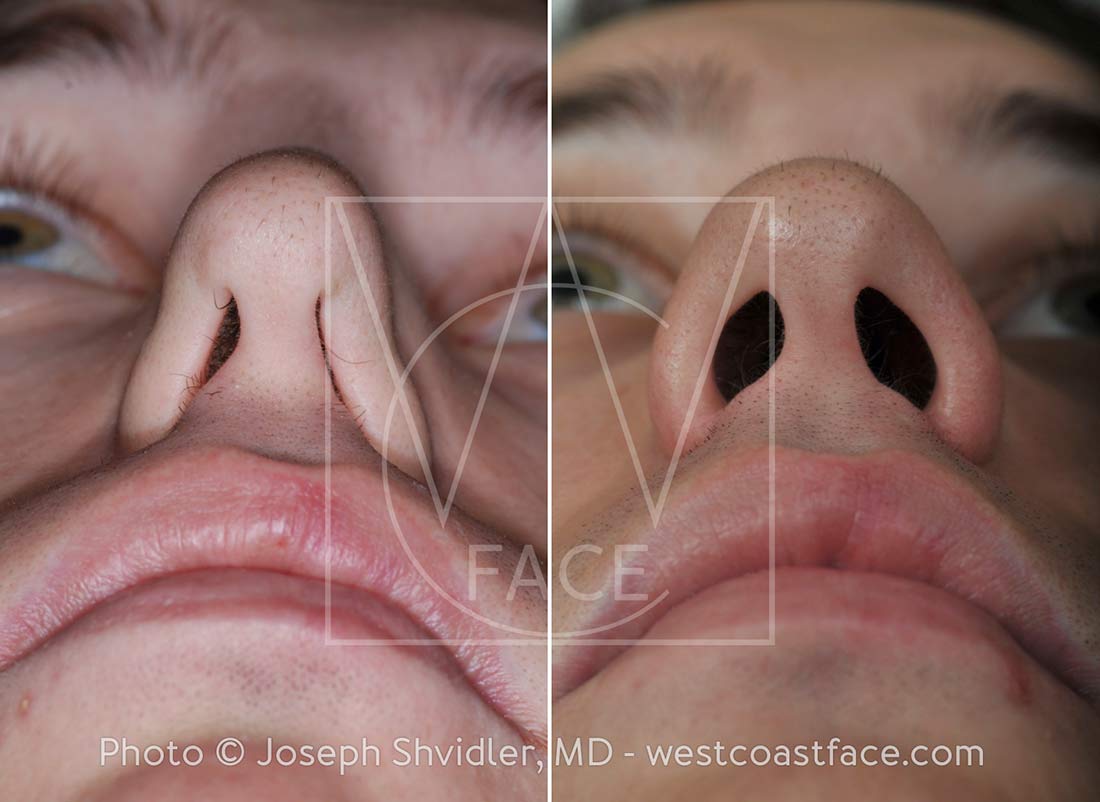
Rhinoplasty, or a “nose job,” can be performed using either a closed or open surgical approach. Understanding the differences helps patients make informed decisions about their procedure.
Understanding Closed Rhinoplasty
Closed rhinoplasty, also known as endonasal rhinoplasty, involves incisions made inside the nostrils. This technique avoids external scars and typically results in shorter recovery times. Surgeons use specialized instruments to access and reshape the nasal cartilage and bone from within the nostrils.
Advantages of closed rhinoplasty include:
- No visible scars on the nose
- Reduced swelling compared to open rhinoplasty
- Shorter operative time in many cases
- Effective for minor to moderate nasal adjustments
However, closed rhinoplasty may be more challenging for complex cases or major structural corrections, as the surgeon’s visibility is limited.
Understanding Open Rhinoplasty
Open rhinoplasty involves a small incision on the columella, the tissue between the nostrils, in addition to internal incisions. This allows the surgeon to lift the nasal skin and have direct visualization of the nasal framework. Open rhinoplasty is often preferred for more complex cases, revisions, or significant reshaping of the nose.
Benefits of open rhinoplasty include:
- Enhanced visibility of nasal structures
- Greater precision for complex nasal corrections
- Improved symmetry for significant tip refinement or septal adjustments
- Ability to combine with grafts for structural support
The trade-off is a slightly longer recovery period and a small incision on the columella, which usually heals very well and becomes barely noticeable over time.
Which Technique is Right for You?
The choice between closed and open rhinoplasty depends on several factors, including the patient’s goals, nasal anatomy, and the extent of correction needed. Considerations include:
- Minor cosmetic changes: Closed rhinoplasty is often sufficient.
- Significant nasal reshaping or tip refinement: Open rhinoplasty may be preferred.
- Revision surgery: Open rhinoplasty provides better access to previously operated structures.
- Functional improvements: Both approaches can address breathing issues, but the surgeon may choose the method that allows precise correction of structural problems.
During consultation, a facial plastic surgeon evaluates nasal anatomy, discusses goals, and recommends the approach that will provide the best balance of results, safety, and recovery.
Recovery and Aftercare
Recovery varies depending on the surgical approach and individual factors. General guidelines include:
- Initial swelling and bruising around the eyes and nose for 1-2 weeks
- Wearing a nasal splint or packing to support the nose during early healing
- Avoiding strenuous activity, contact sports, or heavy lifting for several weeks
- Following surgeon instructions for pain management, wound care, and follow-up visits
Closed rhinoplasty may allow for slightly quicker recovery and less swelling, while open rhinoplasty provides optimal results for complex cases. In both approaches, final results typically become visible over several months as swelling resolves.
Risks and Considerations
Rhinoplasty, whether closed or open, carries potential risks:
- Swelling, bruising, or temporary discomfort
- Minor asymmetry or contour irregularities
- Numbness or altered sensation around the nose
- Infection or bleeding (rare)
- Need for revision surgery in complex cases
Choosing a skilled facial plastic surgeon reduces the risk of complications and ensures results that are both natural-looking and functional.
Benefits of Choosing a Specialist
Rhinoplasty requires careful planning and precise execution. Benefits of selecting an experienced surgeon include:
- Customized surgical plan based on anatomy and goals
- Expertise in both open and closed techniques
- Ability to combine cosmetic and functional improvements
- Comprehensive pre- and post-operative care for optimal recovery
Working with a board-certified facial plastic surgeon ensures your results are aesthetically balanced and long-lasting.
Conclusion
Choosing between closed and open rhinoplasty depends on the complexity of your nasal concerns, desired results, and functional needs. Both approaches can provide natural-looking, lasting improvements when performed by a skilled facial plastic surgeon. Consultation with an experienced professional ensures the best approach is chosen for each patient’s unique facial structure and goals.
The Seattle Cosmetic Surgery Center, led by Dr. William Portuese, specializes in facial aesthetic procedures, including rhinoplasty, eyelid surgery, and facelifts. With over 20 years of experience, Dr. Portuese is known for delivering natural-looking results tailored to each patient's unique facial features. The center emphasizes personalized care and advanced surgical techniques to enhance facial harmony and function. Located at 1101 Madison St, Suite 1280, Seattle, WA 98104, the clinic serves patients from Seattle and surrounding areas. To schedule a consultation, call (206) 624-6200.



No comments:
Post a Comment