
Ethnic rhinoplasty is a specialized procedure designed to enhance the appearance and function of the nose while preserving each patient's unique cultural and facial characteristics.
Understanding Ethnic Rhinoplasty
Ethnic rhinoplasty is a tailored approach to nasal surgery that considers a patient’s ethnic background, facial structure, and aesthetic goals. Unlike traditional rhinoplasty, which often follows a Westernized standard of beauty, ethnic rhinoplasty respects the natural characteristics of the nose, creating results that are harmonious with the patient’s overall facial features.
This procedure is ideal for patients seeking refinement rather than complete transformation, allowing for subtle improvements in shape, symmetry, and function without compromising cultural identity.
Who is a Candidate?
Ethnic rhinoplasty is suitable for individuals who want to enhance the appearance of their nose while maintaining their natural ethnic traits. Common reasons patients seek this procedure include:
- Refining the nasal bridge or tip
- Improving nasal symmetry
- Correcting functional issues such as a deviated septum
- Preserving the unique features of their ethnicity
Patients should have realistic expectations and a desire for subtle, natural-looking changes that complement their facial features.
Benefits of Ethnic Rhinoplasty
Ethnic rhinoplasty offers several advantages over standard rhinoplasty, including:
- Customized results: The surgery is designed specifically to enhance the patient's individual features rather than impose a generic standard.
- Preserved identity: The natural ethnic characteristics of the nose are maintained.
- Improved facial harmony: Adjustments are made in proportion to the patient’s facial structure.
- Enhanced nasal function: Functional issues such as breathing difficulties can be addressed alongside aesthetic improvements.
The Procedure
Ethnic rhinoplasty is performed under general anesthesia or intravenous sedation. The surgeon carefully evaluates the patient’s nasal anatomy and discusses aesthetic goals during the consultation. Incisions are typically made inside the nostrils, minimizing visible scarring while providing access to the underlying nasal structures.
The surgeon may reshape the nasal bridge, refine the tip, adjust the nostrils, or correct septal deviations. The emphasis is on subtle refinements that enhance overall facial harmony rather than dramatic alterations. Internal sutures are used to close the incisions, and an external splint may be applied to support the new nasal shape during the initial healing phase.
Recovery and Aftercare
Recovery from ethnic rhinoplasty is generally straightforward. Key aspects include:
- Swelling and bruising: Mild swelling and bruising around the nose and eyes are common and typically subside within one to two weeks.
- Splint care: Any external splints are usually removed after seven days.
- Activity restrictions: Avoid strenuous activity, heavy lifting, or contact sports for several weeks.
- Follow-up appointments: Regular check-ins with the surgeon help monitor healing and ensure optimal results.
Following post-operative instructions is essential for achieving the best aesthetic and functional outcomes.
Risks and Considerations
Like all surgical procedures, ethnic rhinoplasty carries potential risks, though serious complications are uncommon when performed by an experienced surgeon. Possible risks include:
- Temporary swelling and bruising
- Minor asymmetry that may require revision
- Numbness or altered sensation in the nasal area
- Infection or bleeding (rare)
Choosing a skilled facial plastic surgeon with experience in ethnic rhinoplasty significantly reduces the risk of complications and ensures results that are both natural and culturally sensitive.
Ethnic Rhinoplasty vs. Traditional Rhinoplasty
While traditional rhinoplasty often focuses on achieving a standardized aesthetic, ethnic rhinoplasty emphasizes preserving and enhancing each patient’s natural features. Key differences include:
- Approach: The surgery is customized to align with the patient’s ethnic background.
- Focus: Ethnic rhinoplasty prioritizes subtle refinements and overall facial harmony rather than dramatic changes.
- Technique: Surgical adjustments may differ to accommodate unique nasal structures and skin thicknesses commonly associated with specific ethnic groups.
Choosing a Surgeon in Seattle
Selecting an experienced surgeon is critical for successful ethnic rhinoplasty. Look for a surgeon who:
- Specializes in facial plastic surgery
- Has extensive experience with ethnic rhinoplasty
- Offers personalized consultations to understand your aesthetic goals
- Maintains a portfolio of natural, culturally sensitive results
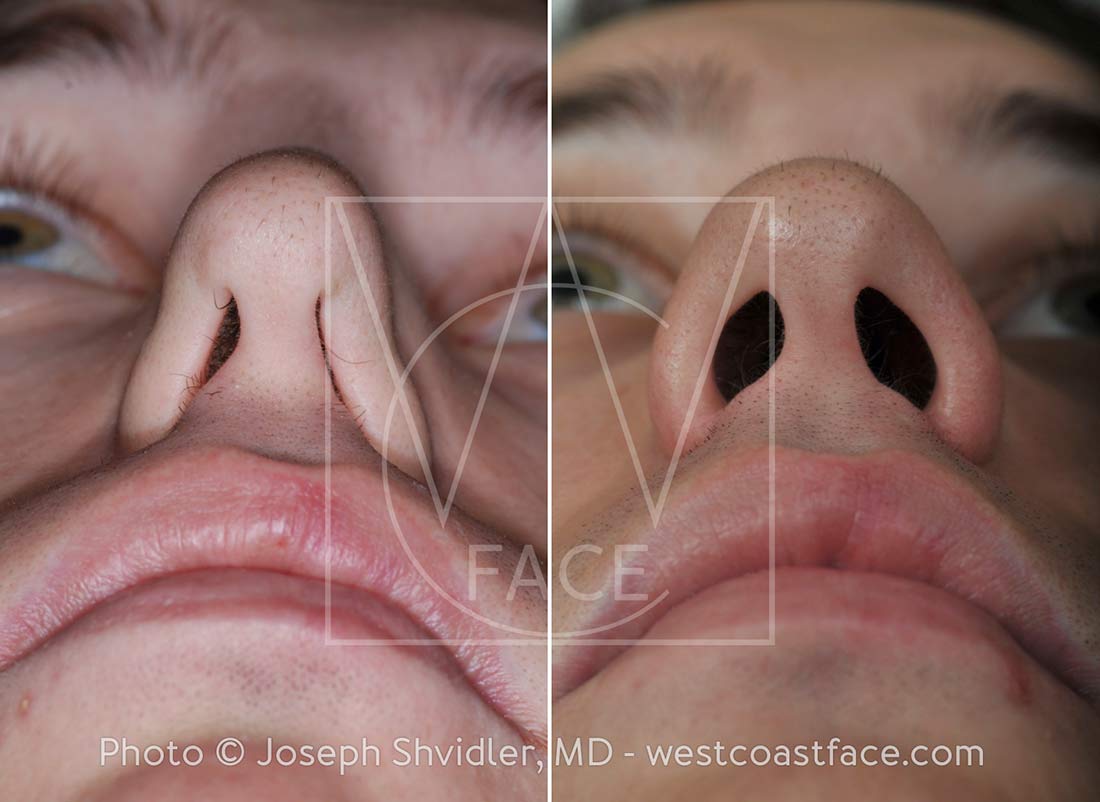
Patient reviews and before-and-after photos can help gauge a surgeon’s expertise and artistic approach.
Conclusion
Ethnic rhinoplasty is a highly personalized surgical approach that enhances the appearance and function of the nose while preserving a patient’s natural ethnic features. By working with a skilled facial plastic surgeon, patients can achieve subtle, harmonious changes that complement their overall facial structure.
The Seattle Facial Plastic Surgery Center, led by Dr. William Portuese, specializes in facial aesthetic procedures such as rhinoplasty, eyelid surgery, and facelifts. With over 20 years of experience, Dr. Portuese is known for delivering natural-looking results tailored to each patient's unique facial features. The center emphasizes personalized care and advanced surgical techniques to enhance facial harmony and function. Located at 1101 Madison St, Suite 1280, Seattle, WA 98104, the clinic serves patients from Seattle and surrounding areas. To schedule a consultation, call (206) 624-6200.



No comments:
Post a Comment