Septoplasty in Seattle
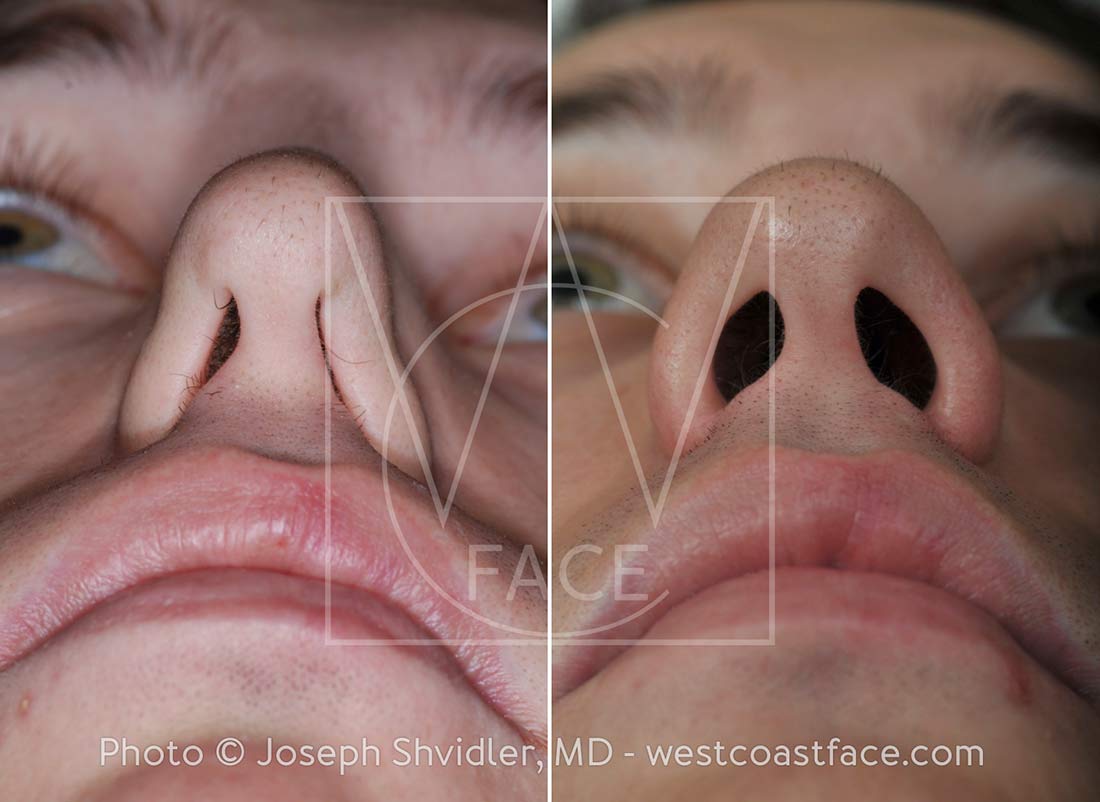
Septoplasty is a surgical procedure that corrects a deviated septum, improving nasal airflow, breathing, and overall nasal function.
What is Septoplasty?
Septoplasty is a corrective surgery designed to straighten a deviated septum, the cartilage and bone dividing the nasal cavity. A deviated septum can cause breathing difficulties, chronic congestion, snoring, sinus infections, and discomfort during physical activity. Septoplasty addresses these functional issues while maintaining or improving the natural shape of the nose.
Who Needs Septoplasty?
Septoplasty is recommended for individuals experiencing nasal obstruction or difficulty breathing due to a deviated septum. Common symptoms that may indicate the need for surgery include:
- Chronic nasal congestion
- Frequent sinus infections
- Difficulty breathing through one or both nostrils
- Snoring or sleep apnea
- Nasal bleeding or discomfort
Patients with trauma to the nose or congenital septal deviations may also benefit from septoplasty to restore proper nasal function.
Benefits of Septoplasty
Septoplasty offers multiple benefits that significantly improve quality of life, including:
- Enhanced breathing: Straightening the septum allows for better airflow through the nasal passages.
- Reduced congestion: Correcting the obstruction alleviates chronic stuffiness.
- Improved sleep: Proper airflow can decrease snoring and improve sleep quality.
- Decreased sinus infections: Better nasal drainage reduces the risk of recurring sinus problems.
- Long-term results: Septoplasty provides a permanent correction for structural nasal issues.
The Septoplasty Procedure
Septoplasty is typically performed under local or general anesthesia. The surgeon makes incisions inside the nostrils to access the septum, avoiding visible external scars. The deviated portions of cartilage and bone are repositioned, trimmed, or removed to create a straight and functional septum. In some cases, septoplasty is combined with other procedures, such as turbinate reduction or rhinoplasty, to enhance both function and aesthetic appearance.
Once the septum is corrected, the incisions are closed with dissolvable sutures, and nasal splints or packing may be placed to support the septum and minimize bleeding during the initial healing phase.
Recovery and Aftercare
Recovery from septoplasty generally takes one to two weeks for most patients, with full healing occurring over several months. Key aspects of recovery include:
- Swelling and congestion: Mild swelling and temporary nasal congestion are common during the first week.
- Pain management: Over-the-counter or prescribed pain medications help manage discomfort.
- Activity restrictions: Avoid strenuous activity, heavy lifting, and contact sports for several weeks to allow proper healing.
- Follow-up care: Regular post-operative visits ensure the septum is healing correctly and monitor for complications.
Following your surgeon’s instructions carefully is essential to achieve optimal results and prevent post-operative complications.
Risks and Considerations
While septoplasty is generally safe, all surgical procedures carry some risks. Potential complications include:
- Temporary swelling or bruising
- Minor bleeding
- Infection (rare)
- Persistent nasal obstruction if healing is incomplete
- Changes in nasal shape (rare, usually when combined with cosmetic procedures)
Choosing an experienced facial plastic surgeon minimizes these risks and ensures a safe, effective outcome.
Septoplasty vs. Rhinoplasty
Septoplasty is primarily a functional procedure aimed at improving breathing, whereas rhinoplasty focuses on aesthetic enhancement. Many patients opt for a combined approach, sometimes called septorhinoplasty, to correct a deviated septum while refining the nose’s appearance. A skilled surgeon can tailor the procedure to meet both functional and cosmetic goals, delivering results that are natural and harmonious with the patient’s facial features.
Choosing a Surgeon in Seattle
Selecting a qualified and experienced surgeon is critical for a successful septoplasty outcome. Look for a surgeon who:
- Specializes in facial plastic and nasal surgery
- Has extensive experience performing septoplasty and septorhinoplasty
- Provides personalized consultations to understand your breathing concerns and goals
- Offers before-and-after images and patient testimonials to demonstrate expertise
Working with a skilled surgeon ensures both functional improvement and a natural, aesthetically balanced appearance.
Conclusion
Septoplasty is a highly effective procedure for correcting a deviated septum and improving nasal function, breathing, and overall quality of life. With a skilled facial plastic surgeon, patients can achieve lasting results with minimal discomfort and enhanced nasal airflow.
The Seattle Facial Plastic Surgery Center, led by Dr. William Portuese, specializes in facial aesthetic procedures such as rhinoplasty, eyelid surgery, and facelifts. With over 20 years of experience, Dr. Portuese is known for delivering natural-looking results tailored to each patient's unique facial features. The center emphasizes personalized care and advanced surgical techniques to enhance facial harmony and function. Located at 1101 Madison St, Suite 1280, Seattle, WA 98104, the clinic serves patients from Seattle and surrounding areas. To schedule a consultation, call (206) 624-6200.



No comments:
Post a Comment