Deviated Septum in Seattle
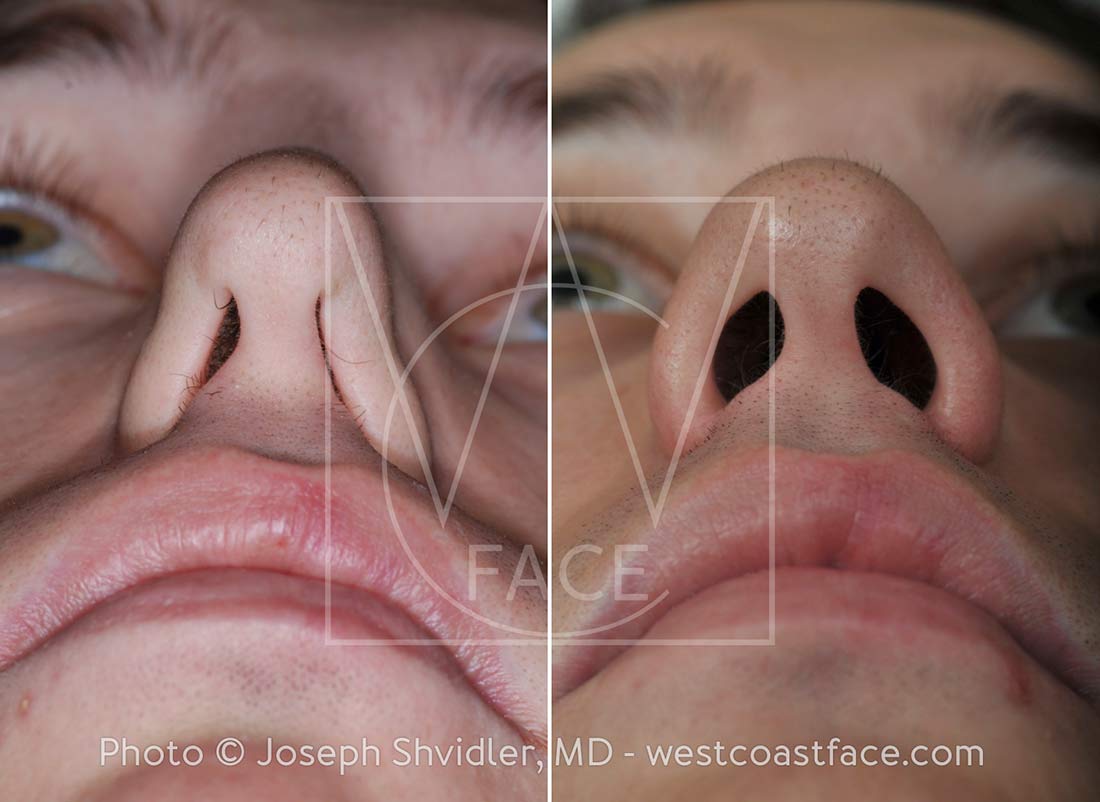
A deviated septum occurs when the cartilage and bone dividing the nasal passages are off-center, which can lead to breathing difficulties and other nasal issues.
What is a Deviated Septum?
The nasal septum is the thin wall of cartilage and bone that separates the two nostrils. When this septum is displaced to one side, it is referred to as a deviated septum. This condition can obstruct airflow, cause chronic nasal congestion, and contribute to sinus infections. While many people have minor deviations that do not cause symptoms, significant deviations may require medical intervention.
Causes of a Deviated Septum
A deviated septum can develop for several reasons:
- Congenital: Some people are born with a septum that is naturally off-center.
- Trauma: Injury to the nose from sports, accidents, or falls can displace the septum.
- Aging: Natural growth and changes in nasal cartilage over time can sometimes exacerbate a deviation.
Symptoms of a Deviated Septum
Many people with a deviated septum may not notice any symptoms. However, when the deviation is significant, it can cause:
- Difficulty breathing through one or both nostrils
- Chronic nasal congestion
- Frequent sinus infections
- Snoring or sleep disturbances
- Nosebleeds due to dry nasal passages
- Facial pain or headaches
Persistent symptoms may interfere with daily activities and sleep, highlighting the need for proper evaluation and treatment.
Diagnosis
A deviated septum can be diagnosed during a physical examination by a qualified ENT specialist or facial plastic surgeon. Using a nasal speculum or endoscope, the doctor can assess the degree of deviation and determine whether it is affecting airflow or contributing to other nasal issues. Imaging studies may sometimes be used to examine the nasal structure in more detail.
Treatment Options
Treatment for a deviated septum depends on the severity of the condition and the symptoms experienced. Options include:
- Non-surgical treatments: Medications such as decongestants, antihistamines, or nasal steroid sprays can temporarily relieve symptoms like congestion.
- Surgical treatment: Septoplasty is the primary surgical solution for a deviated septum. This procedure straightens and repositions the septum to improve airflow and alleviate symptoms.
Septoplasty Procedure
Septoplasty is performed under local or general anesthesia. The surgeon makes incisions inside the nostrils, avoiding visible external scars. The deviated cartilage and bone are repositioned or removed, and internal sutures are placed to stabilize the septum. In some cases, septoplasty is combined with rhinoplasty to improve both nasal function and appearance.
The procedure usually takes one to two hours, and nasal splints may be placed to support healing during the initial recovery period.
Recovery and Aftercare
Recovery from septoplasty generally involves mild discomfort, swelling, and congestion during the first week. Key points for recovery include:
- Keep the head elevated to reduce swelling.
- Avoid strenuous activity, heavy lifting, and contact sports for several weeks.
- Use saline sprays or prescribed medications to maintain nasal moisture and prevent crusting.
- Attend follow-up visits to monitor healing and remove splints if necessary.
Most patients return to normal daily activities within one to two weeks, with full healing occurring over a few months.
Risks and Considerations
Septoplasty is generally safe, but potential risks include:
- Minor bleeding or infection
- Persistent nasal obstruction if healing is incomplete
- Changes in nasal shape (rare)
- Temporary numbness or altered sensation in the nasal area
Choosing an experienced facial plastic surgeon or ENT specialist minimizes these risks and improves the likelihood of a successful outcome.
Benefits of Correcting a Deviated Septum
Correcting a deviated septum can significantly improve quality of life by:
- Enhancing breathing and nasal airflow
- Reducing chronic congestion and sinus infections
- Improving sleep quality and reducing snoring
- Alleviating facial pain or discomfort associated with nasal obstruction
Choosing a Surgeon in Seattle
For optimal results, it is essential to choose a surgeon experienced in septoplasty and nasal procedures. Look for a specialist who:
- Has extensive experience in nasal surgery
- Provides personalized evaluations to understand your symptoms and goals
- Maintains a portfolio of successful patient outcomes
- Offers comprehensive follow-up care for safe recovery
Conclusion
A deviated septum can lead to significant nasal obstruction and discomfort, but treatment with septoplasty or other interventions can restore proper airflow, improve breathing, and enhance overall quality of life. Early evaluation and intervention ensure the best outcomes for long-term nasal health.
The Seattle Facial Plastic Surgery Center, led by Dr. William Portuese, specializes in facial aesthetic procedures such as rhinoplasty, eyelid surgery, and facelifts. With over 20 years of experience, Dr. Portuese is known for delivering natural-looking results tailored to each patient's unique facial features. The center emphasizes personalized care and advanced surgical techniques to enhance facial harmony and function. Located at 1101 Madison St, Suite 1280, Seattle, WA 98104, the clinic serves patients from Seattle and surrounding areas. To schedule a consultation, call (206) 624-6200.

No comments:
Post a Comment