
The nose, located prominently on the face, is highly susceptible to trauma. Nasal fractures are among the most common facial injuries, and proper diagnosis and treatment are essential to restore both function and appearance.
What is a Nasal Fracture?
A nasal fracture occurs when one or more bones of the nose are broken or displaced due to trauma. Because the nose projects outward, it is vulnerable to injury from accidents, sports impacts, falls, or physical altercations. While some nasal injuries may be minor, others can lead to breathing difficulties, deformity, and chronic nasal obstruction if not properly treated.
Common Causes of Nasal Fractures
Nasal fractures can result from a variety of everyday incidents, including:
- Sports injuries: High-contact activities such as football, basketball, or martial arts often place the nose at risk.
- Accidental falls: Slipping, tripping, or falling onto hard surfaces can lead to fractures.
- Motor vehicle accidents: Collisions frequently result in facial trauma, including broken noses.
- Physical altercations: Direct blows to the face can easily fracture nasal bones.
- Household accidents: Even seemingly minor bumps can cause fractures, especially in children or older adults.
Understanding the cause of the injury helps determine the best course of treatment and whether other facial structures may also be affected.
Signs and Symptoms
Recognizing the symptoms of a nasal fracture is critical for timely medical evaluation. Common indicators include:
- Pain and tenderness around the nose
- Swelling and bruising, often extending beneath the eyes
- Nosebleeds that may persist after the injury
- Crooked or asymmetrical nasal shape
- Difficulty breathing through one or both nostrils
- Crackling sensation (crepitus) when touching the nose
In severe cases, a nasal fracture may also be accompanied by significant bleeding, lacerations, or damage to surrounding facial bones.
Diagnosis and Medical Evaluation
A thorough evaluation by a qualified facial plastic surgeon is essential after a suspected nasal fracture. Diagnosis typically involves:
- Review of the patient’s medical history and details of the injury
- Physical examination to assess nasal alignment, swelling, and airway function
- Imaging tests such as X-rays or CT scans in cases of complex trauma
Prompt evaluation is important, as swelling can obscure underlying deformities. Early treatment increases the likelihood of restoring normal nasal structure and function.
Non-Surgical Management
In cases of minor nasal fractures where the bones remain aligned, non-surgical management may be appropriate. This typically includes:
- Application of ice packs to reduce swelling
- Pain management with medications
- Rest and avoidance of further trauma
However, if the nose is visibly crooked, breathing is impaired, or the fracture is displaced, surgical intervention is usually necessary.
Surgical Treatment Options
Surgical correction is often required to realign nasal bones and restore both function and appearance. Depending on the severity and timing of the injury, treatment may involve:
- Closed reduction: Performed within 7–14 days of injury, this procedure repositions nasal bones manually without external incisions.
- Open reduction: In more severe cases, incisions may be required to directly access and realign fractured bones.
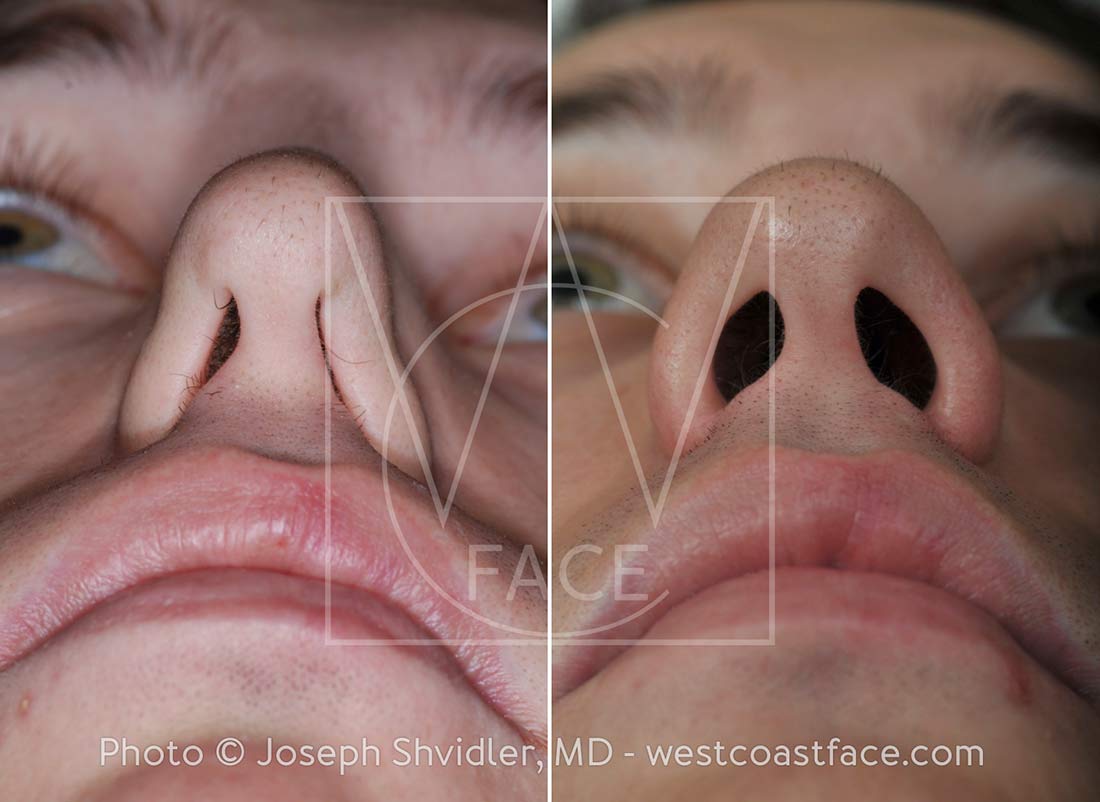
- Rhinoplasty: When cosmetic concerns or structural deformities are significant, rhinoplasty may be performed to restore symmetry and balance.
Choosing the right approach depends on the type of fracture, patient goals, and overall nasal anatomy.
Timing of Treatment
Timing is critical in managing nasal fractures. Swelling typically develops quickly after injury, making immediate assessment difficult. For this reason, surgical correction is often performed within the first two weeks, before bones fully set. Delayed treatment may require more extensive reconstructive surgery later on.
Recovery After Nasal Fracture Surgery
Recovery varies depending on the extent of surgery, but most patients can expect:
- Swelling and bruising that gradually resolves within 2–3 weeks
- Nasal splints or dressings to stabilize bones during healing
- Improved breathing and appearance as healing progresses
Patients should avoid strenuous activity, contact sports, and direct trauma to the nose during recovery. Full healing and refinement of nasal structure may take several months.
Risks and Considerations
As with any surgical procedure, treatment of nasal fractures carries some risks, including infection, bleeding, persistent asymmetry, or the need for revision surgery. Working with an experienced facial plastic surgeon greatly reduces these risks and improves outcomes.
Long-Term Outcomes
When addressed promptly and appropriately, nasal fracture treatment can successfully restore both function and aesthetics. Patients often experience improved breathing, enhanced facial balance, and a renewed sense of confidence after surgery.



No comments:
Post a Comment