Rhinoplasty, or nose reshaping surgery, is one of the most popular and transformative facial procedures. In Ketchum, Idaho, patients seek rhinoplasty to refine nasal appearance, improve breathing, or correct structural concerns. The goal is always to create results that are natural, balanced, and harmonious with the rest of the face.
Understanding Rhinoplasty
Rhinoplasty is a surgical procedure designed to alter the shape, size, or proportions of the nose. It can address cosmetic concerns, such as a prominent hump or wide bridge, as well as functional problems like a deviated septum. Because the nose is central to facial aesthetics, even subtle refinements can have a profound effect on overall appearance and confidence.
Each rhinoplasty is highly individualized. Surgeons carefully assess a patient’s anatomy, facial proportions, and personal goals before recommending the most effective approach.
Common Reasons for Rhinoplasty
Patients in Ketchum choose rhinoplasty for many reasons, including:
- Cosmetic refinement: Smoothing a nasal hump, narrowing a wide bridge, or refining a bulbous tip.
- Correcting asymmetry: Aligning a crooked nose caused by trauma or congenital irregularities.
- Improving breathing: Treating structural issues that block airflow.
- Restoring after injury: Repairing damage from accidents or sports-related trauma.
- Enhancing facial balance: Ensuring the nose complements other features such as the chin and eyes.
Whether cosmetic, functional, or both, rhinoplasty provides long-lasting improvements when performed with precision and artistry.
Surgical Techniques
Two primary surgical approaches are used in rhinoplasty: the open technique and the closed technique. Each has advantages depending on the complexity of the procedure and the patient’s goals.
- Open rhinoplasty: Involves a small incision across the columella, allowing direct visualization of the nasal structures. This technique is often preferred for complex reshaping, revision surgery, or cases requiring extensive precision.
- Closed rhinoplasty: Uses incisions hidden inside the nostrils, resulting in no external scars. It is typically suitable for less complex adjustments and can reduce healing time.
Both approaches aim to achieve natural results that blend seamlessly with the rest of the face.
Functional Rhinoplasty and Septoplasty
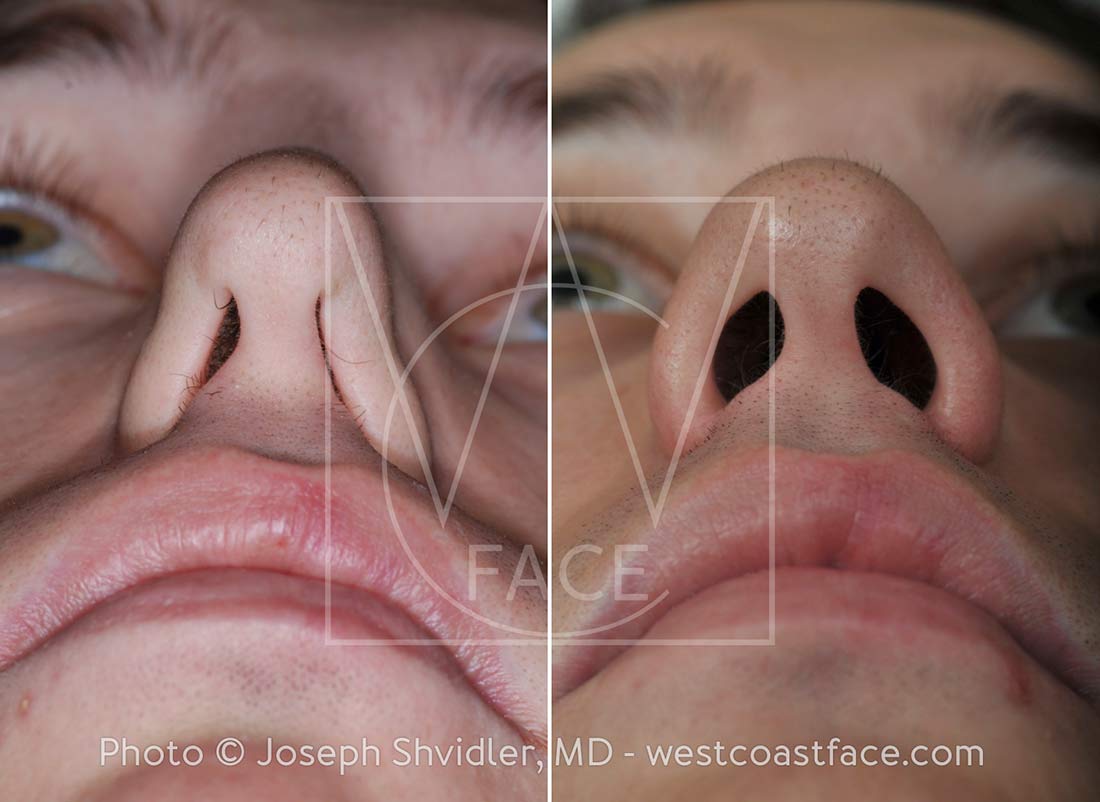
Beyond aesthetics, rhinoplasty often improves nasal function. Many patients struggle with blocked airways caused by a deviated septum or collapsed nasal passages. In these cases, a septoplasty may be combined with rhinoplasty to straighten the septum and restore proper airflow.
Functional improvements often lead to better breathing, reduced snoring, and enhanced quality of life.
Revision Rhinoplasty
Some patients seek revision rhinoplasty after a previous surgery did not meet their expectations. Revision procedures are more complex due to scar tissue and altered anatomy, but in the hands of an experienced surgeon, they can deliver remarkable improvements in both form and function.
The Rhinoplasty Consultation
A successful outcome begins with a thorough consultation. During this visit, the surgeon reviews the patient’s concerns, examines nasal anatomy, and discusses medical history. Advanced imaging or digital simulations may be used to preview potential outcomes, helping patients set realistic expectations.
The consultation is also an opportunity for patients to ask questions and understand the surgical process, recovery timeline, and potential risks.
The Procedure
Rhinoplasty is typically performed under general anesthesia and may take several hours depending on complexity. The surgeon reshapes bone, cartilage, and soft tissue to achieve the desired outcome. In some cases, cartilage grafts are used to provide support or refine nasal contours. Once the reshaping is complete, incisions are closed and a splint may be applied to support the nose during early healing.
Recovery and Healing
Recovery after rhinoplasty follows a gradual process. Patients can expect:
- First week: Swelling, bruising, and congestion are common. A splint is typically worn for 7–10 days.
- 2–3 weeks: Most visible bruising resolves, and patients feel comfortable returning to work or social activities.
- Several months: Subtle swelling continues to improve, with nasal definition gradually becoming clearer.
- 1 year: Final results are usually visible, with full refinement achieved.
Following all postoperative care instructions is crucial for optimal healing and results.
Risks and Considerations
As with any surgery, rhinoplasty carries potential risks such as infection, bleeding, poor healing, or dissatisfaction with cosmetic outcome. Selecting a board-certified facial plastic surgeon with extensive experience greatly reduces these risks and enhances the likelihood of success.
Long-Term Results
Rhinoplasty delivers long-lasting benefits, both cosmetic and functional. While the natural aging process may cause minor changes over time, the structural improvements achieved during surgery typically endure for life. Many patients report improved self-confidence and overall quality of life following the procedure.



No comments:
Post a Comment