
The nose plays a central role in both appearance and breathing function. Whether the concern is aesthetic, medical, or the result of trauma, rhinoplasty and related procedures can restore balance and improve quality of life.
Understanding Common Nose Issues
Many people seek nasal surgery for a variety of reasons, ranging from cosmetic dissatisfaction to medical conditions. Some are born with structural irregularities, while others experience changes due to injury or aging. The most common nose issues include:
- Deviated Septum: A misaligned nasal septum that can cause breathing problems, snoring, and chronic congestion.
- Nasal Trauma: Accidents or sports injuries may lead to fractures, asymmetry, or impaired airflow.
- Cosmetic Concerns: Features such as a dorsal hump, wide bridge, bulbous tip, or crooked nose can affect facial harmony and self-confidence.
- Congenital Deformities: Birth-related irregularities can interfere with both breathing and appearance.
- Age-Related Changes: Over time, cartilage and soft tissue may weaken, leading to drooping nasal tips or changes in nasal shape.
Addressing these conditions often requires a balance of functional correction and cosmetic refinement.
The Role of Rhinoplasty
Rhinoplasty, commonly referred to as a nose job, is a surgical procedure that reshapes the nose for aesthetic improvement, functional restoration, or both. The procedure is highly customized, with surgical plans tailored to each patient’s facial proportions, structural needs, and personal goals.
Some patients require only subtle refinements, while others benefit from more significant restructuring. Regardless of the extent, the aim is always to achieve a natural result that complements the entire face.
Functional Benefits of Nasal Surgery
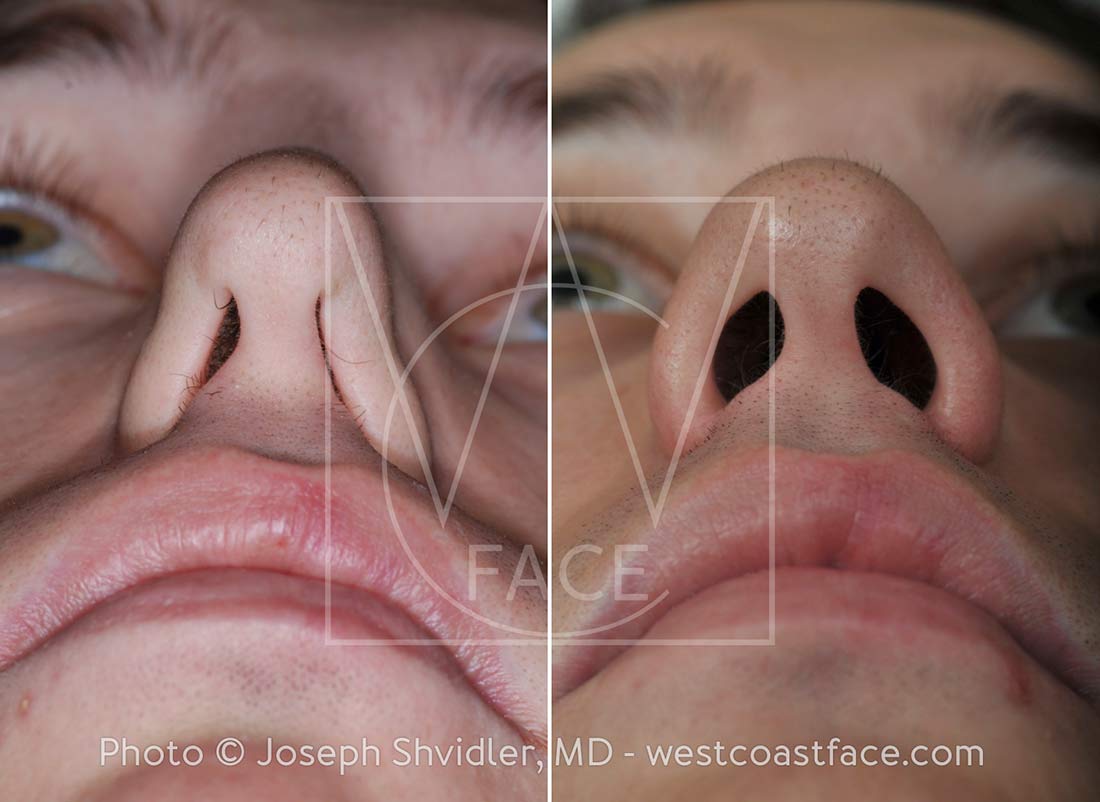
While rhinoplasty is often associated with cosmetic enhancement, functional improvements are equally important. For individuals with breathing difficulties, septoplasty or functional rhinoplasty can:
- Correct airway obstructions caused by a deviated septum
- Restore nasal structure after trauma
- Improve airflow through reshaping internal passages
- Reduce snoring and improve sleep quality
These changes often lead to a dramatic improvement in overall comfort, energy, and quality of life.
Cosmetic Benefits of Rhinoplasty
From an aesthetic perspective, rhinoplasty helps patients achieve better facial balance. Some of the most common cosmetic enhancements include:
- Smoothing or reducing a nasal hump
- Refining the nasal tip for a slimmer or more defined look
- Narrowing wide nostrils or bridges
- Correcting asymmetry or crookedness
- Adjusting proportions to align with other facial features
By creating subtle yet noticeable improvements, rhinoplasty often boosts self-esteem and confidence.
Revision Rhinoplasty
In some cases, patients may require revision rhinoplasty to address unsatisfactory results from a previous surgery or to correct lingering functional issues. Revision procedures are more complex due to scar tissue and altered anatomy but can provide significant improvement when performed by an experienced surgeon.
The Consultation Process
Each rhinoplasty journey begins with a thorough consultation. During this appointment, the surgeon evaluates nasal structure, discusses medical history, and identifies both functional and aesthetic concerns. Patients can expect to review treatment options, learn about surgical techniques, and gain a realistic understanding of potential outcomes.
Advanced imaging and digital simulations may be used to demonstrate how adjustments could affect overall facial balance, helping patients make informed decisions about their procedure.
The Surgical Procedure
Rhinoplasty is typically performed under general anesthesia. Depending on the complexity, it may involve either an open technique, where a small incision is made across the columella, or a closed technique, where incisions are hidden inside the nostrils. Cartilage, bone, and soft tissue are reshaped to achieve the desired look and function.
The surgery can last several hours, and patients typically return home the same day. Splints or packing may be placed to support the nose during initial healing.
Recovery and Healing
Recovery from rhinoplasty varies but often follows a predictable timeline:
- First week: Swelling, bruising, and congestion are most noticeable. Splints or dressings are usually removed after 7–10 days.
- 2–3 weeks: Most visible bruising resolves, and many patients feel comfortable resuming work and social activities.
- Several months: Swelling continues to subside, with gradual refinement in nasal shape.
- 1 year: Final results are typically achieved, revealing the full benefit of surgery.
Following postoperative care instructions and attending follow-up visits are essential to ensure optimal healing and long-term results.
Risks and Considerations
As with any surgical procedure, rhinoplasty carries potential risks, including infection, bleeding, poor healing, asymmetry, or dissatisfaction with results. Choosing an experienced surgeon significantly reduces these risks and increases the likelihood of safe, natural-looking outcomes.
Long-Term Results
When performed by a skilled surgeon, rhinoplasty results are long-lasting. The nose maintains its new structure for years, though minor changes may occur as part of the natural aging process. Patients often enjoy not only improved breathing but also greater self-confidence in their appearance.



No comments:
Post a Comment