
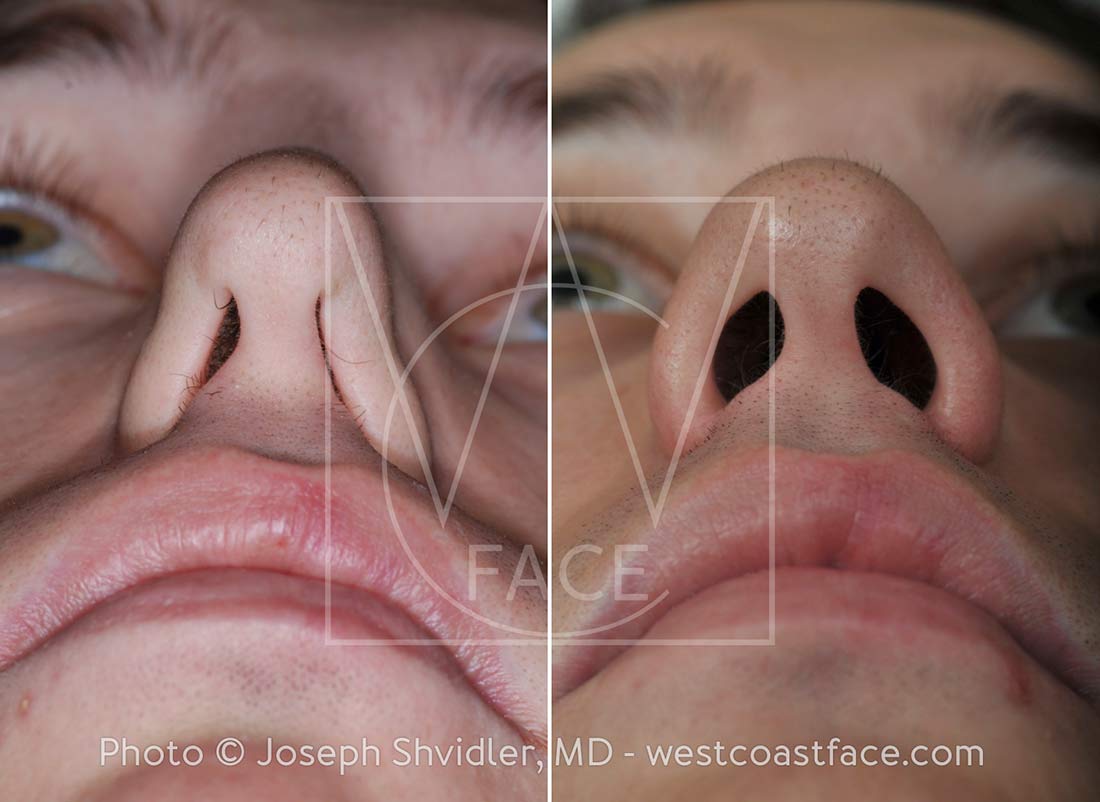
Revision rhinoplasty, also known as secondary rhinoplasty, is a specialized surgical procedure designed to correct or refine the results of a previous nose surgery. For many patients, the outcome of their initial rhinoplasty may not meet expectations, whether due to complications, poor healing, or aesthetic dissatisfaction. Revision rhinoplasty requires exceptional skill and experience, as the surgeon must work with scar tissue, altered anatomy, and the emotional challenges patients may feel after their first procedure. At The Seattle Rhinoplasty Center, Dr. William Portuese offers expert care in revision rhinoplasty, helping patients restore both function and confidence in their appearance.
Why Patients Seek Revision Rhinoplasty
There are many reasons patients pursue secondary nasal surgery. Some common issues include:
- Aesthetic Concerns: Dissatisfaction with the shape, symmetry, or overall balance of the nose after the first procedure.
- Breathing Problems: Functional issues such as nasal obstruction or difficulty breathing due to structural changes.
- Over-Resection or Under-Resection: When too much or too little cartilage or bone was removed in the initial surgery.
- Trauma: Injury after the first rhinoplasty that alters the nose’s structure or appearance.
- Scar Tissue Formation: Irregular healing can distort results, requiring corrective surgery.
The Challenges of Revision Rhinoplasty
Revision rhinoplasty is often more complex than primary rhinoplasty. Scar tissue from the first procedure can make surgical adjustments more difficult. Additionally, cartilage and bone may already be weakened or removed, requiring grafts from the patient’s ear, rib, or septum to rebuild the nasal structure. Each case is highly individualized, and success depends on the surgeon’s ability to combine artistry with advanced technical skills. Dr. Portuese’s decades of experience in facial plastic surgery make him a trusted specialist for patients seeking revision procedures.
The Consultation Process
Before proceeding with revision rhinoplasty, patients undergo a thorough consultation at The Seattle Rhinoplasty Center. During this time, Dr. Portuese listens carefully to the patient’s concerns, reviews their medical history, and examines the nose’s internal and external structure. Advanced imaging technology may be used to help visualize potential outcomes. The consultation also serves as an opportunity for patients to ask questions, set realistic goals, and understand the potential benefits and limitations of surgery.
Surgical Techniques
Revision rhinoplasty can be performed using either an open or closed approach, depending on the complexity of the case. The open technique provides greater visibility and access to underlying structures, making it ideal for complex revisions. Cartilage grafting is often necessary to rebuild support and improve nasal function. Common grafting materials include septal cartilage, ear cartilage, and, in more advanced cases, rib cartilage. Dr. Portuese customizes each procedure to address the patient’s unique concerns while maintaining harmony with their facial features.
Recovery After Revision Rhinoplasty
The recovery timeline for revision rhinoplasty is similar to that of primary rhinoplasty, though it can sometimes take longer due to the complexity of the procedure. Patients typically wear a nasal splint for the first week, and most bruising and swelling subside within two weeks. However, residual swelling—especially around the nasal tip—may persist for several months. Patients are encouraged to avoid strenuous activities, heavy lifting, and direct trauma to the nose during the healing process. Follow-up visits with Dr. Portuese ensure the nose is healing properly and that results align with the patient’s expectations.
Results and Expectations
Revision rhinoplasty can dramatically improve both the appearance and function of the nose. However, it is important for patients to have realistic expectations. Because secondary surgery involves working with altered anatomy, the goal is often to create improvement rather than perfection. Many patients experience enhanced facial harmony, restored breathing function, and renewed self-confidence after their procedure at The Seattle Rhinoplasty Center.
Emotional Considerations
Choosing revision rhinoplasty often comes after feelings of disappointment from a previous surgery. This can make the decision emotionally challenging. Dr. Portuese and his team provide compassionate support throughout the journey, ensuring patients feel understood, informed, and empowered in their decision. Restoring trust in the surgical process is an important step in achieving both physical and emotional satisfaction.
Choosing the Right Surgeon
Because of its complexity, revision rhinoplasty should only be performed by highly experienced surgeons who specialize in nasal surgery. Dr. William Portuese is board-certified in both facial plastic and reconstructive surgery and otolaryngology, making him uniquely qualified to handle even the most challenging revision cases. His blend of surgical precision and artistic vision ensures that patients receive results that are both functional and aesthetically pleasing.
Is Revision Rhinoplasty Right for You?
If you are unhappy with the outcome of a previous rhinoplasty—whether due to cosmetic or functional concerns—revision rhinoplasty may provide the solution. The best candidates are those who are in good health, have realistic expectations, and allow sufficient healing time after their first surgery (typically at least one year). Scheduling a consultation with an experienced surgeon like Dr. Portuese is the first step toward achieving improved results.



No comments:
Post a Comment