Closed rhinoplasty is a surgical technique used to reshape the nose while minimizing visible scarring and reducing recovery time. Unlike open rhinoplasty, which requires an incision across the columella, the closed method involves internal incisions inside the nostrils. This approach can achieve impressive aesthetic and functional results while maintaining discretion and preserving natural nasal structures. At The Seattle Rhinoplasty Center, Dr. William Portuese specializes in closed rhinoplasty for patients seeking subtle yet impactful improvements to their nose.
What Is Closed Rhinoplasty?
Closed rhinoplasty, also called endonasal rhinoplasty, is performed through incisions placed entirely inside the nostrils. This means that no external scars are visible. The technique allows the surgeon to reshape bone, cartilage, and soft tissue to achieve the desired changes. While the approach may limit visibility compared to open rhinoplasty, skilled surgeons with extensive experience—such as Dr. Portuese—can deliver precise results through this less invasive method.
Benefits of Closed Rhinoplasty
There are several advantages to choosing closed rhinoplasty:
- No External Scars: Since incisions are made inside the nostrils, patients benefit from a scar-free appearance.
- Reduced Swelling and Recovery Time: This method typically results in less post-operative swelling, leading to a faster healing process.
- Shorter Surgical Time: Closed rhinoplasty is often performed more quickly than open techniques.
- Refined Results: Ideal for patients seeking subtle adjustments rather than major structural changes.
Ideal Candidates for Closed Rhinoplasty
Closed rhinoplasty is best suited for patients who require moderate nasal adjustments. These can include refining the nasal tip, reducing a dorsal hump, narrowing the bridge, or improving symmetry. It is particularly beneficial for patients who want cosmetic refinements without extensive reconstruction. During the consultation, Dr. Portuese carefully evaluates each patient’s goals, nasal structure, and medical history to determine whether the closed technique is appropriate.
Procedure Overview
Closed rhinoplasty is typically performed under general anesthesia. The procedure begins with small incisions placed inside the nostrils. Through these entry points, the surgeon reshapes bone and cartilage, removes excess tissue if necessary, and refines the nasal contours. Because the approach offers limited visibility compared to open rhinoplasty, it requires advanced skill and experience to achieve accurate results. Dr. Portuese’s extensive training in both functional and cosmetic nasal surgery ensures precision at every step.
Recovery Process
One of the greatest advantages of closed rhinoplasty is the relatively smooth recovery. Most patients wear a nasal splint for the first week, but external stitches are not required. Swelling and bruising are common but generally less severe than with open rhinoplasty. Many patients feel comfortable returning to work or social activities within 10 to 14 days. Full results develop gradually over the course of several months as swelling subsides and the nose refines.
Risks and Considerations
As with any surgery, closed rhinoplasty carries some risks. These include infection, bleeding, scarring inside the nose, or unsatisfactory results that may require revision surgery. However, complications are rare when performed by a skilled surgeon. Choosing an experienced rhinoplasty specialist like Dr. Portuese helps minimize risks and maximize the chances of achieving natural, balanced results.
Closed vs. Open Rhinoplasty
Both closed and open rhinoplasty techniques have their place in nasal surgery. Open rhinoplasty provides greater access to the nasal structures, making it ideal for complex cases or significant reconstruction. Closed rhinoplasty, on the other hand, is less invasive and is preferred for patients who need moderate reshaping with no external scars. The decision between open and closed techniques is highly individual and is made after a thorough consultation.
Functional Improvements with Closed Rhinoplasty
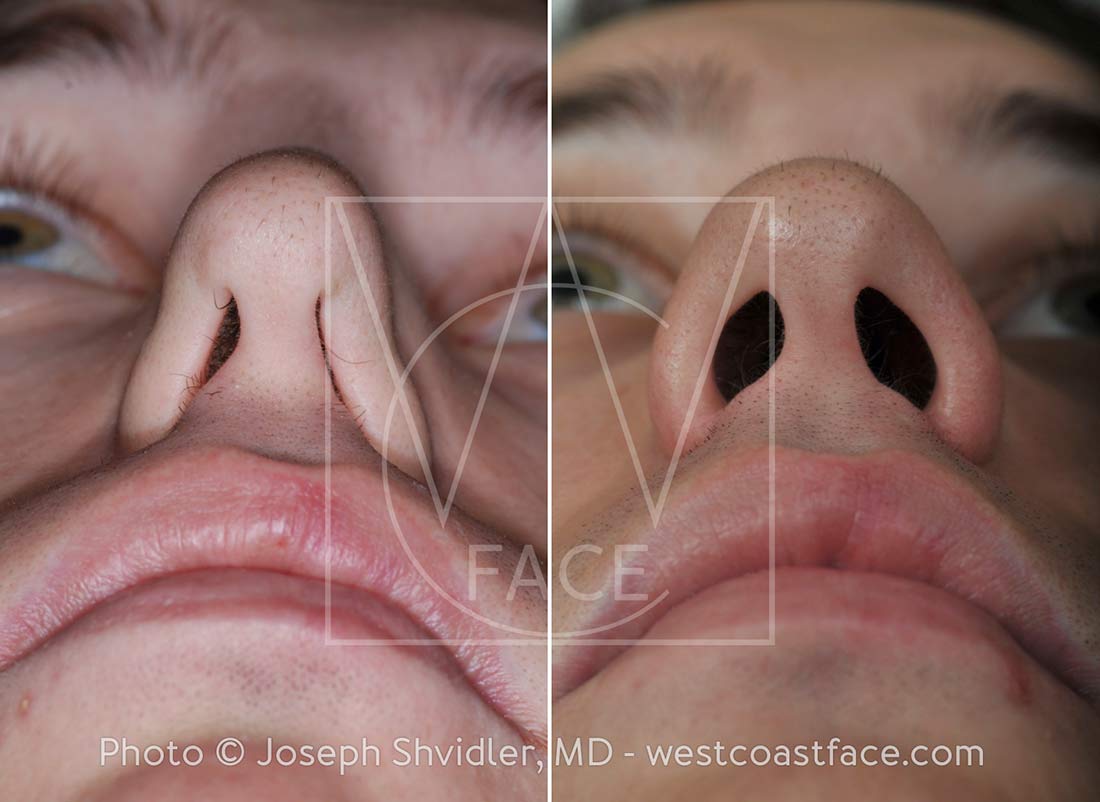
While many patients seek rhinoplasty for cosmetic reasons, the procedure can also improve nasal function. Closed rhinoplasty can help correct minor breathing problems caused by structural irregularities, such as a deviated septum or internal valve collapse. Combining aesthetic refinement with functional improvements allows patients to enjoy a nose that looks and works better.
Emotional Impact of Surgery
For many individuals, rhinoplasty is more than just a cosmetic procedure—it can significantly boost self-confidence and self-image. A nose that feels in harmony with the rest of the face can enhance overall facial balance and allow patients to feel more comfortable in their appearance. Dr. Portuese understands the emotional component of rhinoplasty and works closely with each patient to ensure their goals are fully addressed.
Long-Term Results
Closed rhinoplasty provides lasting results that enhance both facial aesthetics and nasal function. With proper healing and care, patients can expect long-term satisfaction. The final outcome is typically visible within a year, once all residual swelling resolves. Patients are encouraged to follow all post-operative instructions carefully to ensure optimal results and minimize complications.



No comments:
Post a Comment