
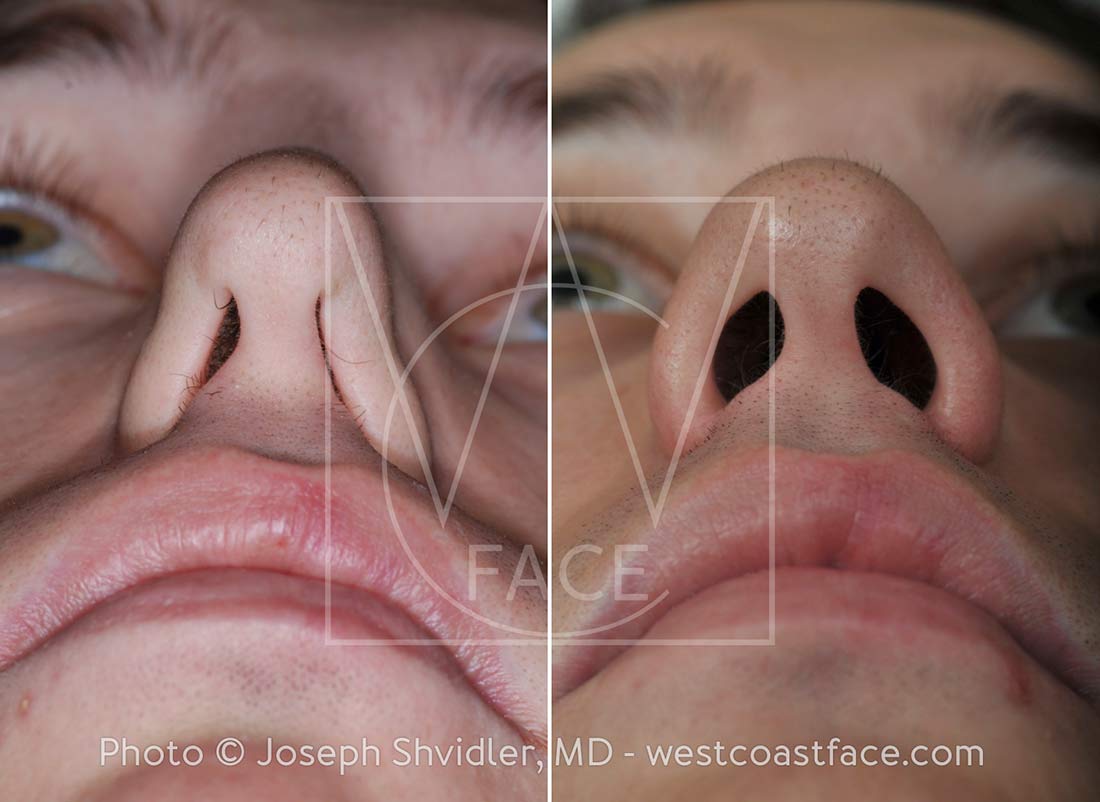
The shape and width of the nose play a central role in overall facial aesthetics. A nose that is too narrow may appear disproportionate, restrict airflow, or create an unbalanced look compared to other facial features. Fortunately, modern rhinoplasty techniques allow surgeons to carefully widen a narrow nose, restoring both form and function. For many patients, this procedure provides improved breathing, enhanced facial balance, and increased self-confidence.
Understanding a Narrow Nose
A narrow nose can be either a natural feature someone is born with or the result of prior nasal trauma or surgery. Some of the most common issues include:
- Congenital structure – Certain individuals naturally have thinner nasal bones and cartilage, creating a slender appearance that can also restrict airflow.
- Over-reduction from previous rhinoplasty – When too much cartilage or bone has been removed during a past surgery, the nose may collapse inward, making it appear too narrow.
- Nasal valve collapse – Weak or narrow nasal valves, which are essential for airflow, may cause breathing problems and a pinched appearance.
- Trauma or injury – A broken or damaged nose can heal improperly, leading to narrowing and asymmetry.
Whether the concern is cosmetic, functional, or both, rhinoplasty offers effective solutions for widening and reshaping a narrow nose.
Why Patients Seek Nose Widening
There are multiple reasons patients consider widening their nose through rhinoplasty. These typically include:
- Improved breathing – Narrow nasal passages can restrict airflow, making it difficult to breathe, particularly during exercise or sleep.
- Better facial balance – A nose that is too thin may look disproportionate compared to the eyes, cheeks, and mouth.
- Correction of past surgeries – Patients who feel that a previous rhinoplasty left their nose looking pinched or unnatural often pursue revision surgery to restore harmony.
- Enhanced self-confidence – Subtle changes in nasal width can significantly improve a patient’s satisfaction with their appearance.
Surgical Techniques for Widening a Narrow Nose
Rhinoplasty to widen a narrow nose involves precise surgical adjustments tailored to each patient’s unique anatomy. Common techniques include:
- Cartilage grafting – Cartilage, often taken from the septum or ear, is strategically placed to strengthen weak areas and expand the nasal structure.
- Spreader grafts – Small cartilage grafts are placed between the septum and upper lateral cartilages to widen the middle portion of the nose and open the nasal valves.
- Osteotomies – Controlled bone cuts allow the surgeon to reposition and reshape the nasal bones, helping to expand overly narrow areas.
- Tip grafts – In cases where the nasal tip appears pinched, grafts can add subtle width for a more natural look.
The choice of technique depends on whether the concern is primarily aesthetic, functional, or both. Often, a combination of approaches is used to achieve balanced, lasting results.
Open vs. Closed Rhinoplasty
Rhinoplasty to widen a narrow nose can be performed using either the open or closed technique:
- Open rhinoplasty – Involves a small incision across the columella, providing maximum visibility and control for complex adjustments such as cartilage grafting or valve repair.
- Closed rhinoplasty – All incisions are made inside the nose, which may be appropriate for more minor adjustments, offering less recovery time and no external scarring.
For patients requiring significant widening, open rhinoplasty is often preferred for its precision and access.
The Consultation Process
Before surgery, patients undergo a thorough consultation where the surgeon evaluates nasal anatomy, breathing function, and overall facial proportions. Advanced imaging may be used to simulate results and guide the surgical plan. During this process, patients are encouraged to discuss both functional concerns and cosmetic goals to ensure a personalized approach.
Recovery After Nose Widening Rhinoplasty
Recovery after rhinoplasty varies by patient, but most follow a similar timeline:
- First week – Swelling, bruising, and congestion are most noticeable. A splint may be used to protect the nose.
- One to two weeks – Bruising fades, and patients can typically return to work or school.
- Four to six weeks – Most physical activities can resume, though contact sports should be avoided.
- Several months – Swelling continues to resolve, and breathing improvements become more noticeable.
Final results are typically seen after a year, once swelling has completely subsided and nasal tissues have fully settled.
Long-Term Results
When performed by a skilled surgeon, widening a narrow nose with rhinoplasty produces natural, balanced results that improve both appearance and function. Patients often report:
- Improved airflow and reduced nasal obstruction.
- Better balance between the nose and other facial features.
- A restored sense of confidence in their appearance.
These improvements are long-lasting, especially when cartilage grafts are used to reinforce structural integrity.
Choosing the Right Surgeon
Because nasal surgery requires both technical skill and aesthetic vision, choosing a board-certified facial plastic surgeon with extensive rhinoplasty experience is essential. A qualified surgeon will understand the complexities of nasal anatomy and employ advanced techniques to create results that look natural and function well.
Conclusion
A narrow nose can affect both appearance and breathing, but rhinoplasty offers highly effective solutions. Through techniques such as cartilage grafting, spreader grafts, and osteotomies, surgeons can carefully widen the nose while maintaining natural harmony with the rest of the face. For patients seeking improved function, enhanced aesthetics, or both, rhinoplasty to widen a narrow nose can deliver long-lasting, life-changing results.
The Seattle Cosmetic Surgery Center, led by Dr. William Portuese, specializes in facial aesthetic procedures, including rhinoplasty, eyelid surgery, and facelifts. With over 20 years of experience, Dr. Portuese is known for delivering natural-looking results tailored to each patient's unique facial features. The center emphasizes personalized care and advanced surgical techniques to enhance facial harmony and function. Located at 1101 Madison St, Suite 1280, Seattle, WA 98104, the clinic serves patients from Seattle and surrounding areas. To schedule a consultation, call (206) 624-6200.



No comments:
Post a Comment