
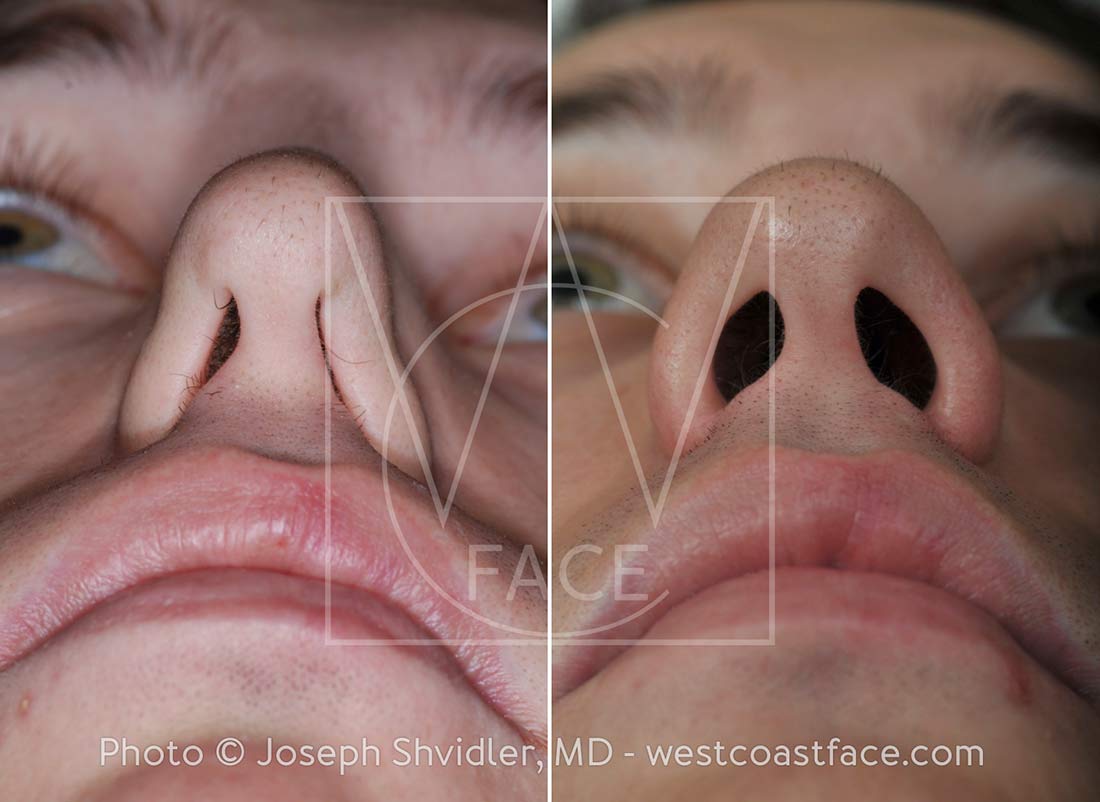
Nasal obstruction can significantly impact a person’s quality of life, making everyday activities such as breathing, sleeping, and exercising more difficult. While many people think of rhinoplasty as purely a cosmetic procedure, it is also commonly performed to correct functional issues within the nose. A functional rhinoplasty can help improve airflow, resolve blockages, and restore balance to the nasal structure, while still preserving or enhancing its appearance.
What Causes Nasal Obstruction?
Nasal obstruction can develop from a variety of conditions, both structural and medical. Common causes include:
- Deviated septum – A misalignment of the nasal septum, the cartilage and bone dividing the two nasal passages, can restrict airflow.
- Enlarged turbinates – The turbinates, which warm and humidify the air we breathe, may become swollen or enlarged, leading to breathing difficulties.
- Nasal valve collapse – The nasal valves are small passages that can weaken, causing the nasal airway to narrow or collapse during inhalation.
- Trauma or injury – A broken nose or past injury may result in structural abnormalities that obstruct breathing.
- Congenital conditions – Some individuals are born with nasal structures that predispose them to obstruction.
In many cases, these issues can overlap, and patients may struggle with both cosmetic concerns and functional breathing problems.
How Rhinoplasty Can Correct Nasal Obstruction
Rhinoplasty that addresses nasal obstruction, sometimes referred to as functional rhinoplasty or septorhinoplasty, combines aesthetic refinements with techniques designed to improve airflow. The surgeon carefully evaluates the nasal anatomy to determine which corrections are necessary, which may include:
- Septoplasty to straighten the septum and open up blocked nasal passages.
- Turbinate reduction to shrink enlarged turbinates while maintaining their essential function.
- Nasal valve repair to reinforce or widen collapsed nasal valves.
- Cartilage grafting to strengthen weakened nasal structures and support long-term airflow improvement.
By combining functional and aesthetic techniques, patients often experience both better breathing and a more balanced, harmonious appearance.
The Rhinoplasty Consultation Process
Before surgery, a comprehensive consultation is essential to determine the underlying cause of nasal obstruction and discuss patient goals. A physical examination is performed, and sometimes additional imaging or endoscopic evaluation is recommended to fully understand the nasal structure. Patients should share both their breathing concerns and any cosmetic changes they hope to achieve.
The surgeon will then create a customized surgical plan that balances form and function. This tailored approach ensures that patients not only breathe better but also feel confident in their appearance.
Surgical Techniques for Functional Rhinoplasty
Rhinoplasty to correct nasal obstruction may be performed using either an open or closed technique:
- Open rhinoplasty – Involves a small incision at the base of the nose, providing full visibility and access for precise structural adjustments.
- Closed rhinoplasty – Performed with internal incisions, offering less visibility but minimizing external scarring.
In both approaches, specialized techniques are used to straighten, support, and refine the nasal structure. The goal is always to enhance breathing while achieving a natural, balanced look that complements the patient’s facial features.
Recovery After Rhinoplasty for Nasal Obstruction
Recovery from functional rhinoplasty is similar to cosmetic rhinoplasty. Patients can expect swelling, bruising, and nasal congestion for the first week or two. A splint may be applied to protect the nose, and sutures are typically removed within 5–7 days. Most patients return to work and light activities within 7–10 days, though strenuous exercise should be avoided for several weeks.
Breathing improvements are often noticeable within the first few weeks, although final results, both functional and aesthetic, may take several months as swelling subsides and nasal tissues fully heal.
Long-Term Benefits of Functional Rhinoplasty
The benefits of rhinoplasty for nasal obstruction extend beyond improved breathing. Patients often experience:
- Better sleep quality due to unobstructed airflow.
- Enhanced athletic performance, as breathing is less restricted during exercise.
- Reduced sinus problems or chronic congestion.
- A boost in self-confidence thanks to refined nasal aesthetics.
When performed by a skilled facial plastic surgeon, functional rhinoplasty provides lasting improvements in both form and function.
Choosing the Right Surgeon
Selecting a surgeon with experience in both cosmetic and functional rhinoplasty is crucial for successful results. The nasal structure is complex, and balancing aesthetic refinements with functional correction requires advanced expertise. Patients should seek a board-certified facial plastic surgeon with a proven track record in nasal surgery.
Conclusion
Nasal obstruction can be a frustrating and sometimes debilitating condition, but rhinoplasty offers a highly effective solution. By addressing both the internal nasal structures and external appearance, functional rhinoplasty restores proper breathing while enhancing overall facial harmony. For individuals struggling with nasal blockages, a consultation with an experienced surgeon can provide clarity and a path toward lasting relief.
The Seattle Cosmetic Surgery Center, led by Dr. William Portuese, specializes in facial aesthetic procedures, including rhinoplasty, eyelid surgery, and facelifts. With over 20 years of experience, Dr. Portuese is known for delivering natural-looking results tailored to each patient's unique facial features. The center emphasizes personalized care and advanced surgical techniques to enhance facial harmony and function. Located at 1101 Madison St, Suite 1280, Seattle, WA 98104, the clinic serves patients from Seattle and surrounding areas. To schedule a consultation, call (206) 624-6200.



No comments:
Post a Comment