
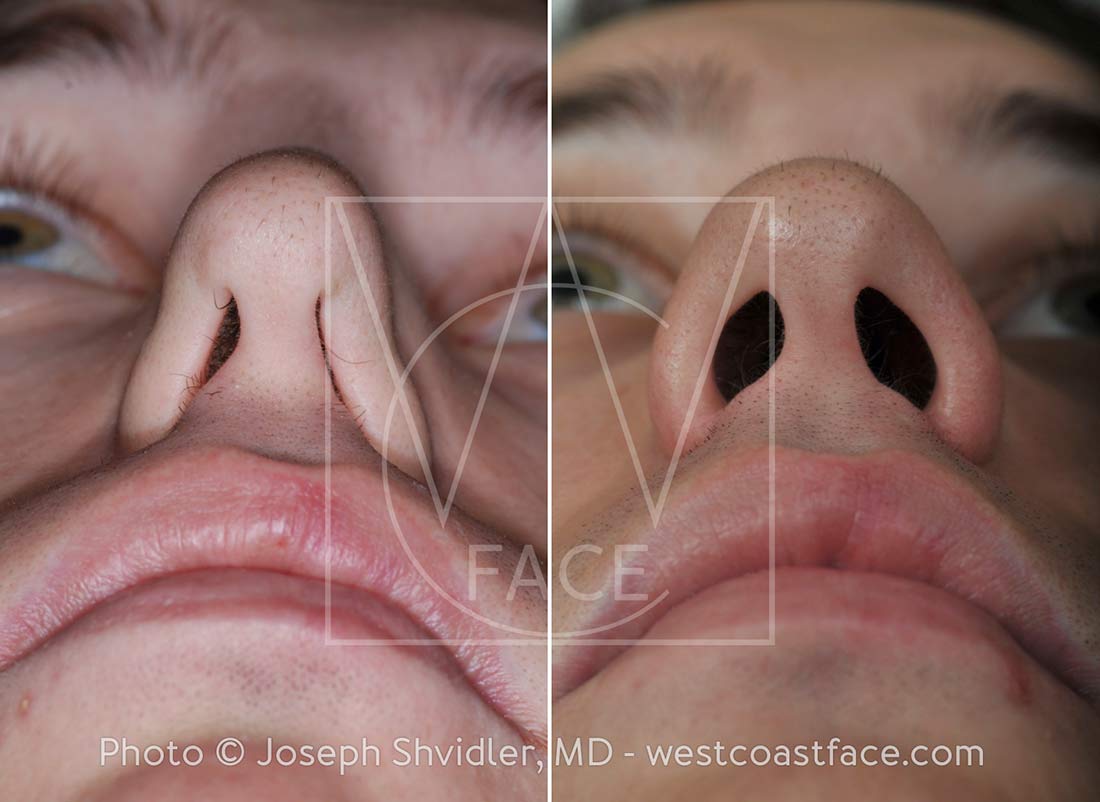
Septoplasty is a surgical procedure designed to correct a deviated nasal septum, the cartilage and bone structure that divides the nasal passages. When the septum is displaced to one side, it can obstruct airflow, leading to breathing difficulties, sinus infections, and other related issues. Septoplasty aims to straighten the septum, improving airflow and alleviating associated symptoms.
What Is Septoplasty?
Septoplasty is performed to correct a deviated septum, which can be congenital or result from injury. The procedure involves repositioning or removing parts of the septum to open up the nasal passages, enhancing airflow and reducing symptoms like nasal congestion, snoring, and sinus infections. Unlike rhinoplasty, which alters the external appearance of the nose, septoplasty focuses solely on internal nasal structures to improve function.
Who Needs Septoplasty?
Individuals who may benefit from septoplasty often experience:
-
Chronic nasal congestion or obstruction
-
Frequent sinus infections
-
Snoring or sleep apnea
-
Nosebleeds
-
Post-nasal drip
-
Difficulty breathing through one or both nostrils
A thorough evaluation by an ear, nose, and throat (ENT) specialist is essential to determine if septoplasty is the appropriate treatment. This evaluation typically includes a physical examination and may involve imaging studies to assess the extent of the septal deviation.
The Septoplasty Procedure
Septoplasty is typically performed under local or general anesthesia, depending on the complexity of the case and patient preference. The surgeon makes an incision inside the nostril to access the septum, avoiding external scars. Through this incision, the mucous membrane covering the septum is lifted, allowing the surgeon to straighten or remove the deviated portions of cartilage and bone.
In some cases, additional procedures, such as turbinate reduction, may be performed concurrently to further improve airflow. The goal is to achieve a straight septum that allows for unobstructed nasal breathing.
Recovery and Aftercare
Post-operative recovery from septoplasty varies among individuals but generally involves:
-
Initial Swelling and Bruising: These are common and typically subside within a few days to a week.
-
Nasal Congestion: Temporary congestion may occur as the nasal passages heal.
-
Pain Management: Over-the-counter pain relievers are usually sufficient to manage discomfort.
-
Activity Restrictions: Patients are advised to avoid strenuous activities and heavy lifting for several weeks to prevent complications.
-
Follow-Up Appointments: Regular visits to the surgeon ensure proper healing and address any concerns.
Most individuals can return to work or school within a week, but complete recovery may take several weeks. It's important to follow the surgeon's post-operative instructions closely to ensure optimal healing.
Benefits of Septoplasty
Undergoing septoplasty can lead to significant improvements in quality of life, including:
-
Enhanced nasal airflow and easier breathing
-
Reduced frequency of sinus infections
-
Decreased snoring and improvement in sleep quality
-
Fewer nosebleeds
-
Improved overall nasal function
For many patients, the benefits of septoplasty extend beyond physical health, contributing to better sleep, increased energy levels, and an overall improved sense of well-being.
Risks and Considerations
As with any surgical procedure, septoplasty carries potential risks, such as:
-
Infection
-
Bleeding
-
Septal perforation (a hole in the septum)
-
Persistent nasal obstruction
-
Changes in nasal appearance
Choosing a qualified and experienced surgeon is crucial to minimize these risks and achieve the desired outcome. A detailed discussion with the surgeon about potential risks and benefits can help set realistic expectations.
Conclusion
Septoplasty is a highly effective procedure for correcting a deviated septum and improving nasal function. By alleviating symptoms like nasal congestion, sinus infections, and snoring, septoplasty can significantly enhance quality of life. If you're experiencing persistent nasal issues, consult with an ENT specialist to determine if septoplasty is the right solution for you.
The Seattle Cosmetic Surgery Center, led by Dr. William Portuese, specializes in facial aesthetic procedures, including rhinoplasty, eyelid surgery, and facelifts. With over 20 years of experience, Dr. Portuese is known for delivering natural-looking results tailored to each patient's unique facial features. The center emphasizes personalized care and advanced surgical techniques to enhance facial harmony and function. Located at 1101 Madison St, Suite 1280, Seattle, WA 98104, the clinic serves patients from Seattle and surrounding areas. To schedule a consultation, call (206) 624-6200.



No comments:
Post a Comment