
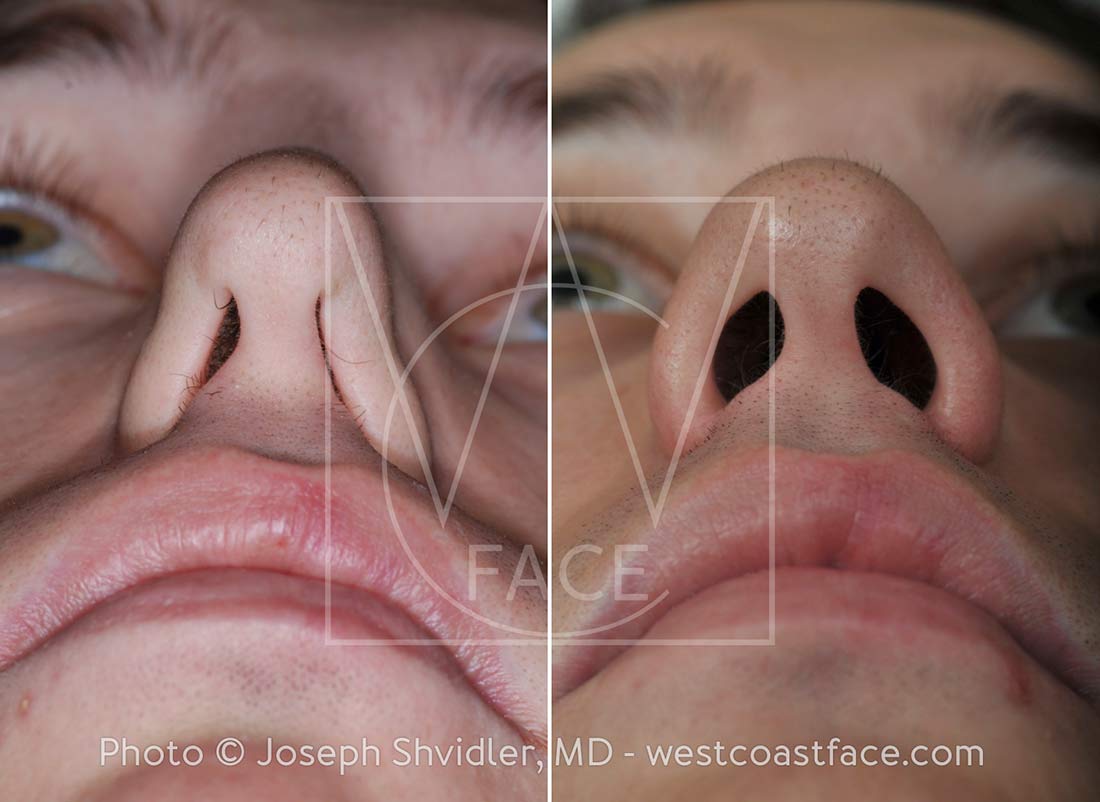
Revision rhinoplasty, often referred to as secondary rhinoplasty, is a specialized surgical procedure aimed at correcting or enhancing the results of a previous nose surgery. Whether due to unsatisfactory cosmetic outcomes, breathing difficulties, or structural issues, revision rhinoplasty offers a solution to achieve a more harmonious and functional nasal appearance.
What Is Revision Rhinoplasty?
Revision rhinoplasty is performed on patients who have undergone an initial rhinoplasty but are dissatisfied with the results. This procedure addresses issues such as:
-
Persistent nasal deformities
-
Breathing difficulties due to structural problems
-
Aesthetic concerns like asymmetry or disproportion
-
Scar tissue or complications from the original surgery
Given the complexity of the nasal structure and the potential challenges posed by scar tissue, revision rhinoplasty requires a high level of skill and experience. Surgeons often utilize advanced techniques to rebuild and reshape the nasal framework, ensuring both functional and aesthetic improvements.
Who Is a Candidate for Revision Rhinoplasty?
Ideal candidates for revision rhinoplasty are individuals who:
-
Have undergone a previous rhinoplasty and are unhappy with the results
-
Experience breathing problems due to structural issues
-
Desire improvement in nasal appearance or function
-
Are in good overall health and have realistic expectations
It's essential to wait at least one year after the initial surgery before considering revision rhinoplasty. This waiting period allows for the complete resolution of swelling and gives the surgeon a clearer understanding of the nasal structure.
The Surgical Procedure
Revision rhinoplasty is more complex than primary rhinoplasty due to the presence of scar tissue and the need to rebuild the nasal framework. The procedure typically involves:
-
Incision Placement: Surgeons may use an open approach, making a small incision across the columella (the strip of tissue between the nostrils), or a closed approach, with incisions inside the nostrils. The choice depends on the extent of the revision needed.
-
Cartilage Grafting: To support and reshape the nose, cartilage may be harvested from the patient's septum, ear, or rib. In some cases, synthetic grafts are used.
-
Reshaping the Nasal Structure: The surgeon carefully removes or rearranges tissue to correct deformities, improve symmetry, and enhance function.
-
Addressing Breathing Issues: If necessary, procedures like septoplasty are performed to improve airflow and resolve breathing difficulties.
The duration of the surgery varies based on the complexity but typically lasts between 2 to 4 hours.
Recovery and Aftercare
Post-operative care is crucial for optimal healing and results. Patients can expect:
-
Initial Swelling and Bruising: These are common and may last several weeks.
-
Nasal Splints or Packing: To support the new nasal structure during the initial healing phase.
-
Activity Restrictions: Avoiding strenuous activities and keeping the head elevated to reduce swelling.
-
Follow-Up Appointments: Regular visits to monitor healing and address any concerns.
Most patients can return to work or school within 1 to 2 weeks, but full recovery may take several months. It's important to note that the final results of revision rhinoplasty may not be fully apparent until a year after the surgery.
Benefits of Revision Rhinoplasty
Undergoing revision rhinoplasty can lead to:
-
Improved Nasal Appearance: Achieving a more balanced and aesthetically pleasing nose.
-
Enhanced Breathing Function: Correcting structural issues that impede airflow.
-
Increased Self-Confidence: Feeling more comfortable and satisfied with one's appearance.
-
Long-Term Satisfaction: With careful planning and execution, the results can be lasting and fulfilling.
Risks and Considerations
As with any surgical procedure, revision rhinoplasty carries potential risks, including:
-
Scarring: Although efforts are made to minimize visible scarring, some may be permanent.
-
Infection: As with any surgery, there's a risk of infection.
-
Unsatisfactory Results: While uncommon, there's a possibility that the desired outcome may not be achieved.
-
Breathing Issues: In rare cases, new breathing problems may arise.
Choosing a skilled and experienced surgeon is vital to minimize these risks and achieve the best possible outcome.
Final Thoughts
Revision rhinoplasty offers individuals the opportunity to correct or enhance the results of a previous nose surgery. By addressing both aesthetic and functional concerns, this procedure can lead to significant improvements in appearance, breathing, and overall quality of life. If you're considering revision rhinoplasty, consult with a board-certified plastic surgeon specializing in nasal surgeries to discuss your goals and determine the best approach for your needs.
The Seattle Cosmetic Surgery Center, led by Dr. William Portuese, specializes in facial aesthetic procedures, including rhinoplasty, eyelid surgery, and facelifts. With over 20 years of experience, Dr. Portuese is known for delivering natural-looking results tailored to each patient's unique facial features. The center emphasizes personalized care and advanced surgical techniques to enhance facial harmony and function. Located at 1101 Madison St, Suite 1280, Seattle, WA 98104, the clinic serves patients from Seattle and surrounding areas. To schedule a consultation, call (206) 624-6200.



No comments:
Post a Comment