
Rhinoplasty, commonly known as a nose job, is a specialized surgical procedure designed to reshape or resize the nose to improve both its appearance and function. Whether you're considering rhinoplasty for cosmetic reasons or to address breathing difficulties, this procedure offers tailored solutions that can enhance facial harmony and boost self-confidence.
What is Rhinoplasty?
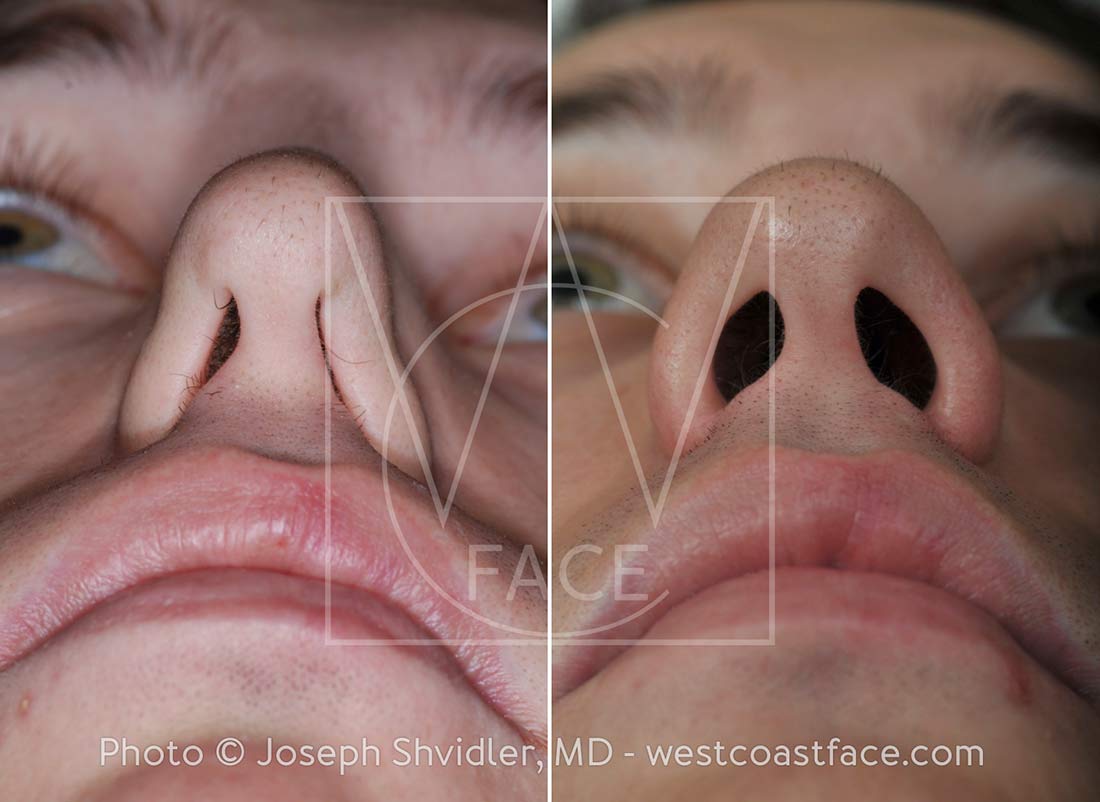
Rhinoplasty is a surgical procedure that modifies the bone, cartilage, and skin of the nose. The goal is to create a balanced, aesthetically pleasing nose that complements the rest of your facial features. This surgery can address a variety of concerns such as a hump on the bridge, a droopy or bulbous tip, asymmetry, or an excessively large or small nose.
In addition to cosmetic improvements, rhinoplasty can correct structural problems caused by injury or congenital defects, such as a deviated septum, which may contribute to breathing difficulties. Many patients seek rhinoplasty not only to look better but also to breathe easier.
Who is a Good Candidate?
Ideal candidates for rhinoplasty are individuals in good overall health who have realistic expectations about the outcomes of the surgery. The best time to undergo rhinoplasty is usually after facial growth has completed, typically in the mid to late teens or adulthood.
Candidates should have concerns about the shape, size, or function of their nose and desire a natural-looking improvement. Whether you want subtle changes or more dramatic results, a skilled surgeon can design a personalized plan to achieve your goals.
Types of Rhinoplasty Procedures
There are two main types of rhinoplasty:
Open Rhinoplasty: In this approach, a small incision is made across the columella (the strip of tissue between the nostrils) to allow the surgeon greater visibility and access to reshape the underlying nasal structure. Open rhinoplasty is often preferred for complex cases requiring significant reshaping.
Closed Rhinoplasty: In this technique, all incisions are made inside the nostrils, leaving no visible scars. Closed rhinoplasty is generally suitable for less extensive modifications and offers a shorter recovery time.
Your surgeon will recommend the most appropriate method based on your specific needs and desired results.
The Procedure
Rhinoplasty is typically performed under general anesthesia or intravenous sedation to ensure comfort throughout the surgery. The operation may last anywhere from one to several hours depending on the complexity.
During the procedure, the surgeon will carefully sculpt the bone and cartilage to achieve the desired shape. This may involve removing or adding tissue, straightening the septum, or refining the nasal tip. The skin is then redraped over the new structure.
Recovery and Results
After rhinoplasty, patients can expect some swelling, bruising, and mild discomfort around the nose and eyes. Most of the visible swelling and bruising will subside within two weeks, although subtle swelling can persist for several months. A nasal splint and internal dressings may be placed to support the new shape and protect the nose during the initial healing phase.
It is important to follow your surgeon’s post-operative care instructions carefully to ensure proper healing. Avoid strenuous activities and protect your nose from any trauma during recovery.
The final results of rhinoplasty become apparent as swelling fully resolves, revealing a refined, natural-looking nose that enhances facial balance. Many patients report a significant boost in self-esteem and satisfaction with their new appearance.
Benefits of Rhinoplasty
Improved facial symmetry and balance
Enhanced self-confidence and self-image
Correction of breathing problems caused by structural abnormalities
Resolution of deformities from injury or congenital issues
Customizable results tailored to each individual’s unique facial anatomy
Choosing the Right Surgeon
Rhinoplasty is a highly specialized procedure that requires expertise in both the artistic and technical aspects of facial surgery. Choosing a board-certified facial plastic surgeon or otolaryngologist with extensive experience in rhinoplasty is crucial for achieving natural and harmonious results.
A thorough consultation will include a detailed evaluation of your nasal structure, discussion of your goals, and a clear explanation of the surgical options available. Some surgeons use computer imaging to help patients visualize potential outcomes, aiding in realistic expectations.
The Seattle Cosmetic Surgery Center, led by Dr. William Portuese, specializes in facial aesthetic procedures, including rhinoplasty, eyelid surgery, and facelifts. With over 20 years of experience, Dr. Portuese is known for delivering natural-looking results tailored to each patient's unique facial features. The center emphasizes personalized care and advanced surgical techniques to enhance facial harmony and function. Located at 1101 Madison St, Suite 1280, Seattle, WA 98104, the clinic serves patients from Seattle and surrounding areas. To schedule a consultation, call (206) 624-6200.



No comments:
Post a Comment