
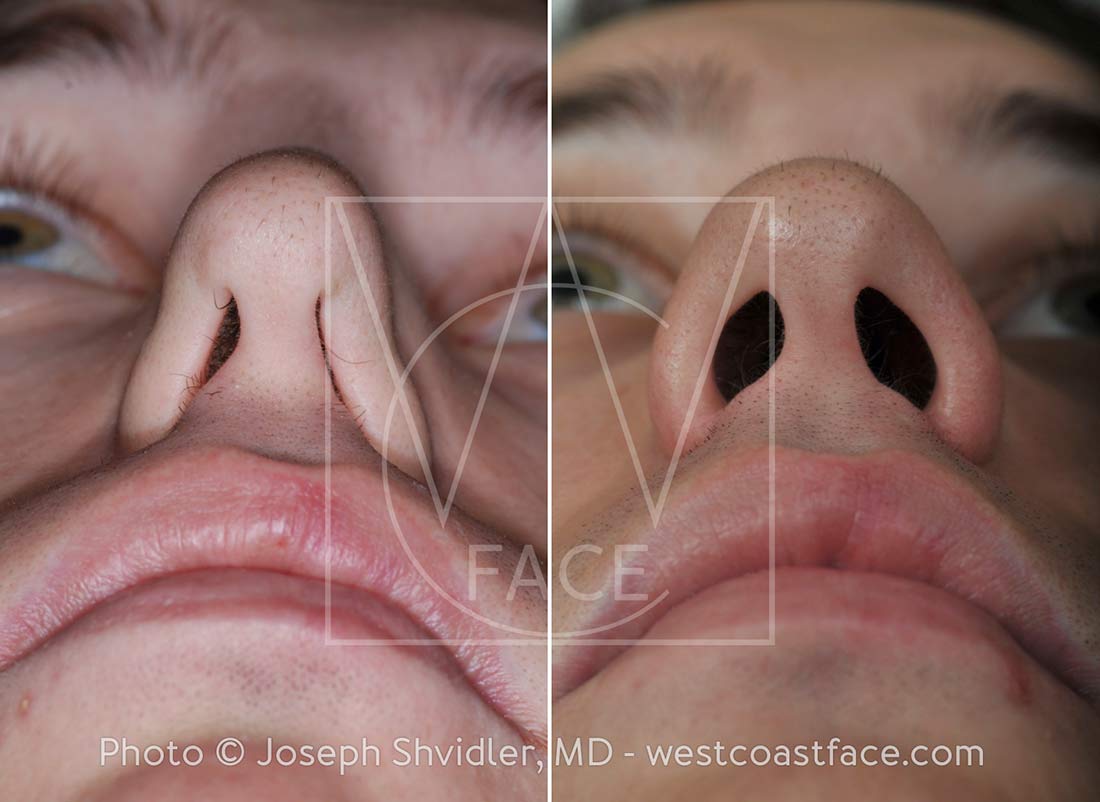
A droopy nose, characterized by a downward-pointing nasal tip, can affect facial harmony and self-esteem. This condition, known as nasal tip ptosis, can be congenital or result from aging, trauma, or previous surgeries. Surgical intervention, particularly rhinoplasty, offers a solution to reposition the nasal tip and restore facial balance.
Understanding Nasal Tip Ptosis
Nasal tip ptosis occurs when the lower part of the nose points downward, often due to weakened cartilage or overactive muscles. This drooping can lead to a diminished nasolabial angle (the angle between the upper lip and the base of the nose), which may make the nose appear longer or less defined.
Surgical Techniques for Lifting a Droopy Nose
Several surgical approaches can address a droopy nose, depending on the underlying cause and desired outcome:
1. Cartilage Repositioning
In cases where the nasal tip droops due to weak or low-positioned cartilage, surgeons may perform a technique known as "tip deconstruction." This involves separating the lower lateral cartilages from the septum, repositioning them higher, and reattaching them to achieve an elevated tip. This method restores structural support and enhances tip projection.
2. Cephalic Resection
Cephalic resection involves trimming the upper portion of the lower lateral cartilages. This technique reduces excess cartilage volume, allowing for a more refined and elevated tip. It's often used in conjunction with other methods to achieve optimal results.
3. Suturing Techniques
Sutures can be employed to reposition and support the nasal tip. Techniques such as dome-binding sutures help define the tip and maintain its position post-surgery. These sutures can be permanent or temporary, depending on the surgeon's approach.
4. Muscle Modification
The depressor septi nasi muscle, which pulls the nasal tip downward, can be overactive in some individuals. Surgically weakening or repositioning this muscle can prevent excessive downward movement, especially during facial expressions like smiling.
5. Grafting
In cases where additional support is needed, cartilage grafts from the septum, ear, or rib may be used. These grafts provide structural reinforcement to the nasal tip, ensuring long-term stability and projection.
Open vs. Closed Rhinoplasty
Rhinoplasty procedures can be performed using two primary approaches:
-
Open Rhinoplasty: Involves an incision across the columella (the tissue between the nostrils), allowing for direct access to the nasal structures. This approach provides greater visibility and is often preferred for complex cases.
-
Closed Rhinoplasty: All incisions are made inside the nostrils, leaving no visible scars. This method is less invasive and may be suitable for less complex procedures.
The choice between open and closed rhinoplasty depends on the specific needs of the patient and the surgeon's assessment.
Recovery and Results
Post-operative recovery varies among individuals but generally includes:
-
Swelling and Bruising: Common after surgery, typically subsiding within a few weeks.
-
Nasal Splint: May be placed to support the new structure during the initial healing phase.
-
Activity Restrictions: Patients are advised to avoid strenuous activities and follow the surgeon's guidelines to ensure proper healing.
Final results become more apparent as swelling decreases over several months. It's important to have realistic expectations and understand that the nose will continue to refine over time.
Conclusion
Lifting a droopy nose through surgical intervention can enhance facial harmony and boost self-confidence. By employing precise techniques tailored to the individual's anatomy, surgeons can achieve natural-looking results that align with the patient's aesthetic goals. Consulting with a qualified plastic surgeon is essential to determine the most appropriate approach and to ensure a successful outcome.
The Seattle Cosmetic Surgery Center, led by Dr. William Portuese, specializes in facial aesthetic procedures, including rhinoplasty, eyelid surgery, and facelifts. With over 20 years of experience, Dr. Portuese is known for delivering natural-looking results tailored to each patient's unique facial features. The center emphasizes personalized care and advanced surgical techniques to enhance facial harmony and function. Located at 1101 Madison St, Suite 1280, Seattle, WA 98104, the clinic serves patients from Seattle and surrounding areas. To schedule a consultation, call (206) 624-6200.



No comments:
Post a Comment