
Rhinoplasty, commonly known as a nose job, is a popular cosmetic surgical procedure designed to improve the appearance and function of the nose. Whether you are seeking to refine the shape, correct structural issues, or address breathing difficulties, rhinoplasty can offer transformative results that enhance facial harmony and boost self-confidence.
What is Rhinoplasty?
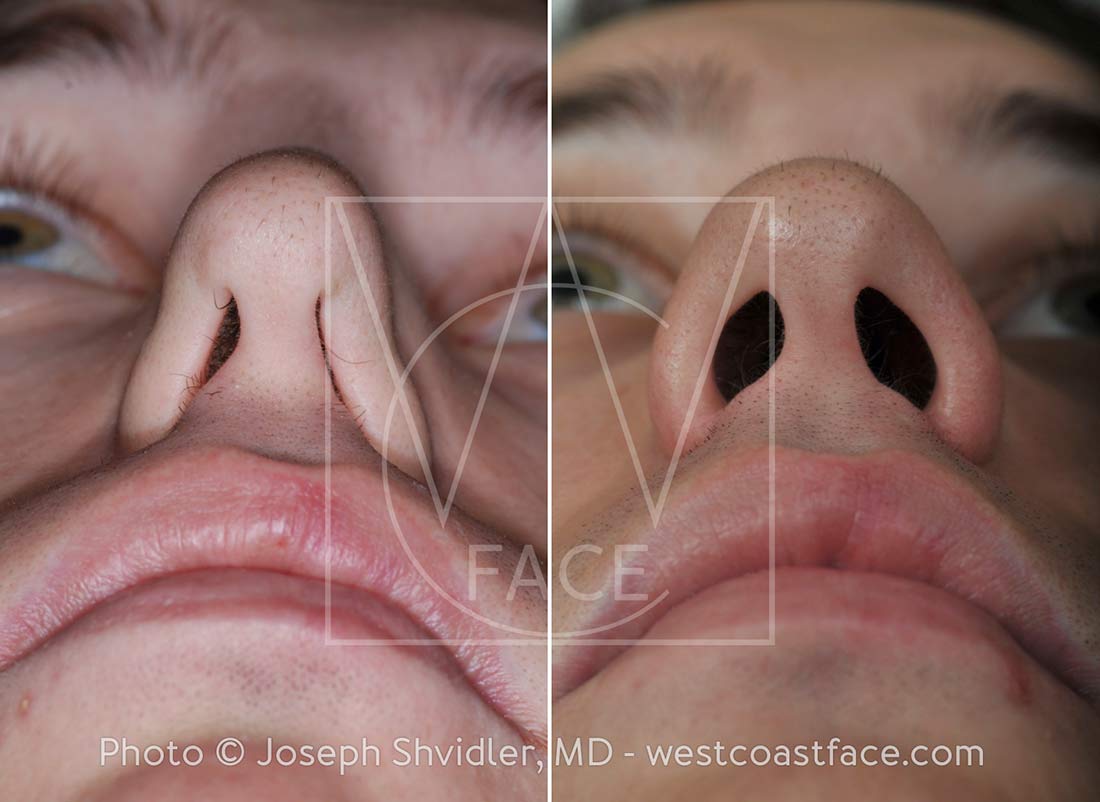
Rhinoplasty involves reshaping the nose by modifying the bone, cartilage, and skin to achieve a more balanced and aesthetically pleasing appearance. This surgery can address a variety of concerns including reducing or increasing nose size, refining the nasal tip, straightening a crooked nose, smoothing out bumps, or narrowing the nostrils. Beyond cosmetic enhancement, rhinoplasty can also correct breathing problems caused by structural abnormalities such as a deviated septum.
Each rhinoplasty procedure is customized to the patient’s unique facial features and goals, ensuring natural-looking results that complement the overall facial structure.
Who is a Good Candidate?
Ideal candidates for rhinoplasty are individuals who are in good overall health and have realistic expectations about the outcome of the surgery. Candidates often seek rhinoplasty to correct aesthetic concerns or functional problems that affect breathing. It is important that patients have completed facial growth, which generally occurs by the late teens or early twenties.
A thorough consultation with a skilled plastic surgeon helps determine if rhinoplasty is appropriate and allows for a detailed discussion about desired results and any potential risks.
Types of Rhinoplasty Procedures
Rhinoplasty can be performed using different surgical techniques, primarily categorized into two approaches:
-
Open Rhinoplasty: This technique involves a small incision made across the columella (the tissue between the nostrils), allowing the surgeon better visibility and access to the underlying nasal structures. Open rhinoplasty is often preferred for more complex reshaping or reconstructive cases.
-
Closed Rhinoplasty: Incisions are made inside the nostrils, resulting in no visible external scars. This approach is typically used for less extensive adjustments and offers quicker recovery times.
The choice between open and closed rhinoplasty depends on the complexity of the surgery and the surgeon’s assessment.
What to Expect During Surgery
Rhinoplasty is usually performed under general anesthesia or sedation, ensuring the patient’s comfort throughout the procedure. The surgery typically lasts between one to three hours, depending on the extent of correction.
During the operation, the surgeon carefully sculpts the bone and cartilage to achieve the desired shape. In cases where breathing issues are present, structural corrections are also made to improve airflow. After reshaping, the skin is redraped over the new nasal framework, and incisions are closed meticulously.
Recovery and Aftercare
Recovery from rhinoplasty requires patience and proper care. Patients can expect swelling and bruising around the eyes and nose, which generally subsides within two weeks. A nasal splint is often worn for about one week to protect the new shape and support healing.
During recovery, it is important to avoid strenuous activities, heavy lifting, and any trauma to the nose. Sleeping with the head elevated helps reduce swelling. Most patients return to work or school within one to two weeks, but complete healing and final results may take several months to fully develop as swelling gradually diminishes.
Risks and Considerations
As with any surgery, rhinoplasty carries potential risks such as infection, bleeding, difficulty breathing, scarring, or dissatisfaction with aesthetic outcomes. Numbness or changes in sensation may occur temporarily.
Choosing a board-certified surgeon with extensive experience in rhinoplasty significantly minimizes risks and enhances the likelihood of a successful result. Open communication about goals and concerns is essential to ensure patient satisfaction.
Why Choose Rhinoplasty?
Rhinoplasty is not only about changing the appearance of the nose but also about restoring balance to the face. A well-proportioned nose can improve facial symmetry and enhance overall attractiveness. Many patients report increased self-esteem and confidence following surgery, appreciating the harmony rhinoplasty brings to their features.
Additionally, functional rhinoplasty can dramatically improve breathing and quality of life for those suffering from nasal obstruction.
Final Thoughts
Rhinoplasty is a sophisticated surgical procedure that can refine the nose’s shape and function to achieve beautiful, natural results. Careful planning, skillful surgical technique, and proper post-operative care are key to a successful outcome.
If you are considering rhinoplasty, consulting with a qualified plastic surgeon will help you understand your options and create a personalized surgical plan tailored to your unique needs. With the right approach, rhinoplasty can be a life-changing procedure that enhances both your appearance and well-being.
The Seattle Cosmetic Surgery Center, led by Dr. William Portuese, specializes in facial aesthetic procedures, including rhinoplasty, eyelid surgery, and facelifts. With over 20 years of experience, Dr. Portuese is known for delivering natural-looking results tailored to each patient's unique facial features. The center emphasizes personalized care and advanced surgical techniques to enhance facial harmony and function. Located at 1101 Madison St, Suite 1280, Seattle, WA 98104, the clinic serves patients from Seattle and surrounding areas. To schedule a consultation, call (206) 624-6200.



No comments:
Post a Comment